Source: NDTV
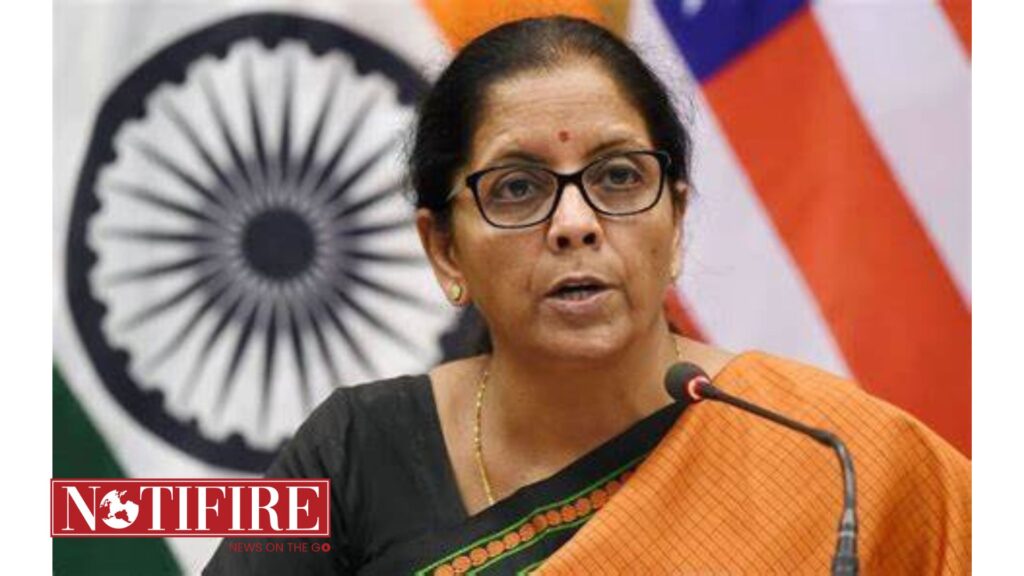
Finance Minister Nirmala Sitharaman recently highlighted employability as one of the most pressing challenges facing the Indian economy. Despite India’s impressive GDP growth and ambitions to become a $7 trillion economy by 2030, there remains a significant gap between the skills Indian graduates possess and the demands of the job market.
The Employability Gap
One of the key points Sitharaman emphasized is the mismatch between education and the job market. While India produces millions of graduates each year, a large portion of them struggle to find jobs due to a lack of industry-relevant skills. Many Indian students pursue degrees without proper guidance on which fields are in demand. The result is a growing pool of unemployed or underemployed graduates, despite the country’s rising economic prospects.
This issue stems from outdated educational curricula that fail to equip students with the practical skills employers seek. There is also a lack of vocational training, which further deepens the employability crisis. In response, the government has been making efforts to reform the education system, introducing initiatives such as the Skill India Mission to improve vocational training and technical education. However, the scale of the challenge remains vast.
Addressing Skill Development
Sitharaman pointed out that to fully capitalize on India’s demographic dividend—the youthful population—the country needs to focus on bridging the employability gap through skilling initiatives. The Indian government has been promoting various programs like the National Apprenticeship Promotion Scheme (NAPS) and Pradhan Mantri Kaushal Vikas Yojana (PMKVY), which are designed to provide youth with industry-relevant skills.
However, challenges persist in terms of execution. The private sector must also step up, Sitharaman noted, to create more opportunities for internships, apprenticeships, and on-the-job training. Stronger collaboration between industry and educational institutions is critical to ensuring that students are trained in fields that will drive future economic growth, such as digital technologies, renewable energy, and healthcare.
Energy Prices and Economic Stability
Another significant challenge Sitharaman flagged is the volatility in global energy prices, which poses a threat to economic stability. India, being a major importer of crude oil, is highly vulnerable to fluctuations in energy prices. This impacts inflation and the cost of goods across sectors. Sitharaman highlighted that despite efforts to transition to renewable energy, the country remains heavily dependent on fossil fuels. Addressing energy security will be key for India to maintain its growth trajectory without succumbing to inflationary pressures caused by rising global energy costs.
Long-Term Economic Strategy
Sitharaman expressed optimism about India’s ability to overcome these challenges with sustained reforms. She spoke of the government’s focus on infrastructure development, digitization, and financial inclusion as long-term strategies to strengthen the economy. These reforms aim to make India an attractive destination for both foreign and domestic investment. Initiatives like Make in India and Atmanirbhar Bharat are designed to boost domestic manufacturing and reduce reliance on imports, fostering job creation and economic resilience.

India’s ambitions to become a $7 trillion economy by 2030 hinge on overcoming these challenges. By addressing the employability gap and ensuring energy security, the country can sustain its economic growth and improve living standards for its population.
In conclusion, while India is on a promising path of economic expansion, the government must prioritize skilling, energy stability, and ongoing structural reforms to navigate the complex global economic landscape and deliver long-term prosperity.
Follow for more updates.