Source: Hindustan Times
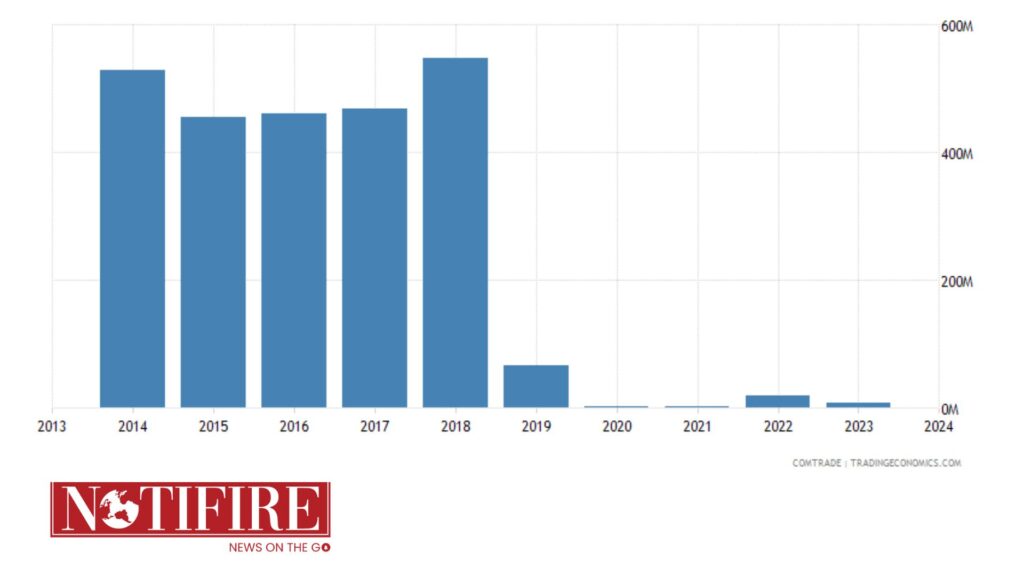
India’s imports from Pakistan have plummeted to zero, while its exports continue, marking a significant shift in the trade dynamics between the two countries. This change is not just a matter of economic adjustments but also reflects the underlying political tensions that have persisted since 2019. The strain in bilateral relations, particularly following the Pulwama attack in 2019, prompted India to revoke Pakistan’s Most Favored Nation (MFN) status and impose a hefty 200% tariff on Pakistani imports. In retaliation, Pakistan suspended trade with India, effectively halting the flow of goods between the two countries.
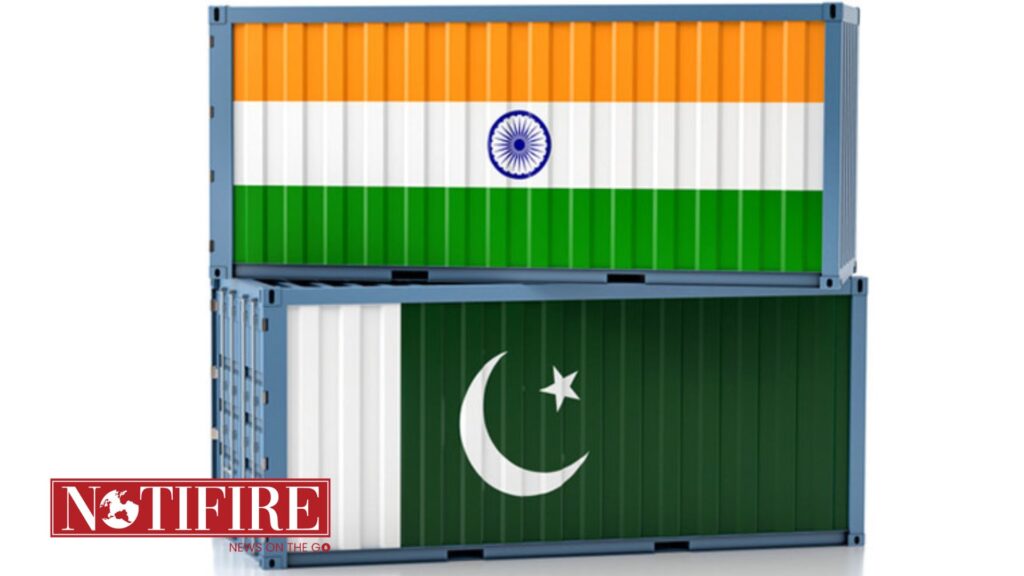
As of 2024, this situation has largely remained unchanged, with India’s imports from Pakistan reduced to almost negligible levels. Yet, despite the diplomatic freeze, India has continued to export certain essential goods to Pakistan, including pharmaceuticals and sugar. Between July 2023 and July 2024, India exported goods worth approximately $235 million to Pakistan. This continuation of exports is driven by Pakistan’s internal demand for these products, especially in times of economic hardship, despite the political impasse that restricts direct trade channels.
Economic and Political Factors Behind the Decline in Imports from Pakistan
The decline in imports from Pakistan can be attributed to a combination of political and economic factors. On the economic front, Pakistan is grappling with severe challenges such as currency devaluation, inflation, and low foreign reserves. These issues limit Pakistan’s capacity to import, making it difficult to justify high tariffs on Indian goods. The country’s economic instability has also made it less appealing as a trade partner, despite its geographic proximity and shared history.
Conversely, the impact of reduced imports from Pakistan on India has been minimal. Even before the 2019 trade restrictions, trade with Pakistan accounted for a very small portion of India’s overall trade portfolio. For example, in the fiscal year 2018-19, India imported $495 million worth of goods from Pakistan, which was only 0.096% of its total imports. This negligible trade volume means that the cessation of imports has not significantly affected India’s broader trade dynamics.
However, the trade restrictions have not entirely severed economic ties. Indirect trade continues through third countries, with Pakistani businesses importing Indian products via nations like the UAE. This method, while costlier, allows for some level of economic exchange despite the official trade ban. Such indirect trade highlights the inherent interdependence between the two markets, even in a period of official non-cooperation. It also underscores the higher costs that Pakistani businesses have to bear due to the lack of direct trade routes, which ultimately impacts Pakistani consumers.
The conversation around potentially normalizing trade relations remains a topic of interest among policymakers and the business communities in both countries. Advocates for resuming trade argue that it could help stabilize Pakistan’s struggling economy by reducing the costs of essential imports like food and pharmaceuticals. This would be particularly beneficial in controlling inflation and managing supply shortages. Nonetheless, the political sensitivities around the Kashmir issue remain a major obstacle, preventing any significant progress towards reopening trade channels.
For India, the economic benefits of resuming trade with Pakistan are limited in the short term. The Indian market has access to larger, more lucrative trading partners in the South Asian and Indo-Pacific regions, which diminishes the urgency of restoring trade with Pakistan. However, a more stable trading relationship with Pakistan could offer strategic advantages. It could facilitate better regional connectivity, potentially providing India access to Central Asian markets through Pakistani territory. Such a development would not only enhance trade flows but could also contribute to stabilizing the broader region.
In a broader geopolitical context, the strained trade relations between India and Pakistan highlight the intricate balance between political disagreements and economic logic. Trade has historically been a means of fostering peace and cooperation, yet the deep-rooted political differences between these two nations have prevented it from playing that role effectively. Even though economic logic might favor greater engagement, political considerations continue to dominate, preventing a more pragmatic approach to trade.
Conclusion
While India’s exports to Pakistan persist in a limited capacity, the near-total cessation of imports from Pakistan illustrates the complexities of Indo-Pak trade relations. The political landscape remains a significant barrier to any substantial resumption of trade, despite potential economic benefits on both sides. The current scenario serves as a reminder of how intertwined economic decisions are with political realities, especially in a region as sensitive as South Asia. As long as political tensions persist, the path to normalized trade relations between India and Pakistan will remain fraught with challenges, making it a subject of ongoing debate among policymakers, economists, and business leaders alike.
Follow for more updates.