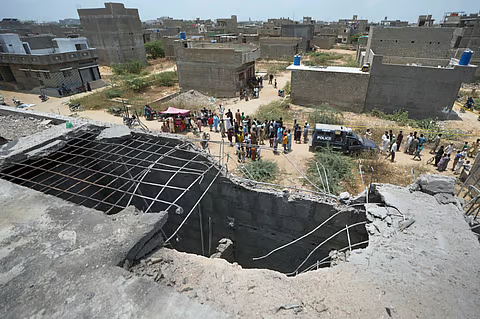
In a dramatic escalation of the ongoing India Pakistan conflict, a single Indian military strike has neutralised the air defence system in Lahore, Pakistan. The operation was launched in retaliation to a coordinated drone and missile attack initiated by Pakistani forces on Indian military positions.
This one-target, one-strike operation by India signals a strategic shift in regional warfare—precise, powerful, and calculated.
Pakistan Launches Drone and Missile Assault
The situation deteriorated when Pakistan launched a wave of drones and missiles targeting Indian assets along the western border. Though intercepted in time by Indian forces, the aggression prompted an immediate and proportional counter-response.
Indian officials confirmed: This was a measured yet firm response to an unprovoked act of hostility. We struck only what was necessary.”
India’s Response: 1 Precision Strike on Lahore Air Defence
The Indian Air Force responded with 1 high-impact strike, targeting and disabling Pakistan’s air defence system in Lahore. This system played a crucial role in guarding Pakistan’s key urban and military centers.
- The strike was executed using precision-guided munitions.
- The operation lasted only a few minutes.
- No civilian areas were affected, highlighting the accuracy of India’s military planning.
The success of the operation reinforces India’s stance on zero tolerance for cross-border aggression.
India Pakistan Conflict: Global Concern Mounts
The India Pakistan conflict has triggered alarms across global diplomatic corridors:
- The UN and the United States have called for immediate de-escalation.
- Russia and the EU are closely monitoring developments and urging peace.
- Peace advocates from both nations are appealing for dialogue over war.
However, the strategic message is clear—India will act decisively when its sovereignty is under threat.
Stock Market & Defence Sector Reactions
Following the strike:
- Defence stocks saw a momentary spike, then settled after profit-booking.
- The INR weakened slightly, reflecting global investor caution.
- Oil prices rose, reacting to geopolitical instability in South Asia.
Despite volatility, investors remain bullish on India’s long-term defence preparedness and strategic clarity.
Historical Context: India Pakistan Flashpoints
The India Pakistan rivalry has seen several notable escalations:
- 1999 – Kargil War
- 2016 – Surgical Strikes
- 2019 – Balakot Airstrike
- 2025 – Lahore Air Defence Strike
Each episode has reinforced the message that India responds with strength and precision, while also maintaining global diplomatic standing.
What’s at Stake?
The current situation could evolve in two directions:
- Escalation – If Pakistan retaliates, more military operations may follow.
- De-escalation – Through backchannel diplomacy and international mediation.
India has made it clear that it does not seek war but will not hesitate to defend itself with force.
Call for Calm Amid Rising Heat
Voices from civil society, veterans, and global leaders are calling for:
- A ceasefire agreement
- Initiation of diplomatic talks
- A joint investigation into the border incident
War fatigue, economic priorities, and regional stability are stronger reasons now than ever to push for peaceful resolutions.
Conclusion: 1 Strategic Strike Redefines India Pakistan Conflict
The neutralisation of Lahore’s air defence with just 1 precision strike marks a powerful moment in the ongoing India Pakistan narrative. It’s a message to the world and to adversaries that India is prepared, modern, and unwilling to tolerate hostile provocations.
As the world watches, the hope remains that this high-stakes standoff turns into an opportunity for peace, before it becomes a broader military confrontation.
Follow us for more insights