Source: The Financial Express
In recent years, India and Russia have made significant strides toward trading in local currencies, with 90% of their trade now settled in Indian Rupees and Russian Rubles. This shift away from traditional dollar-based transactions was largely accelerated by Western sanctions against Russia, especially after the Ukraine conflict. By switching to local currencies, both nations have managed to bypass the SWIFT banking network limitations imposed by these sanctions, creating a more flexible and independent trading ecosystem.
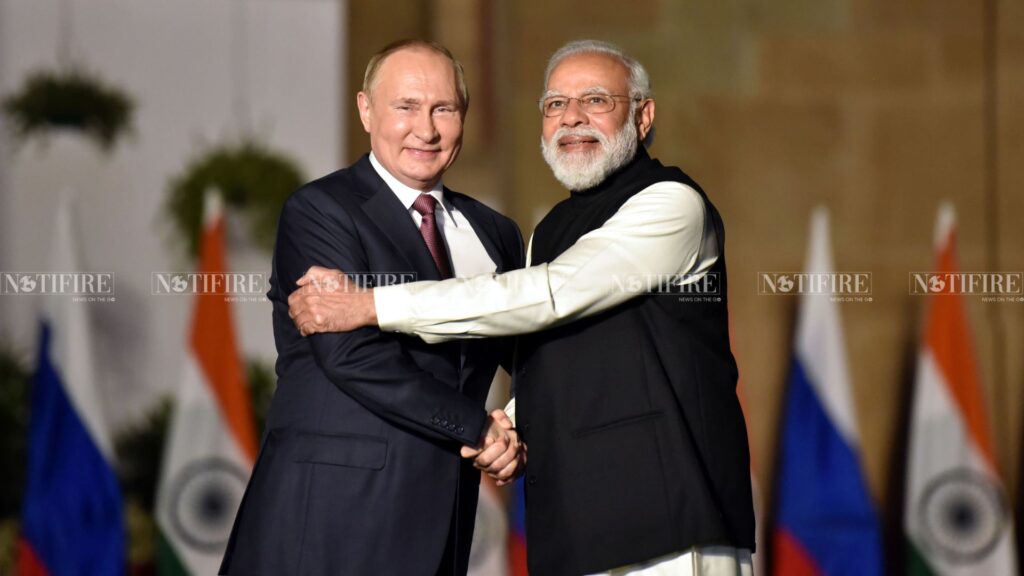
The Shift to Local Currency: Why It Matters
The India-Russia decision to conduct trade in local currencies addresses multiple challenges. Traditionally, cross-border trade heavily relied on the U.S. dollar, making it vulnerable to political and economic shifts outside the countries involved. For Russia, sanctions restricted its access to the dollar, affecting essential exports like oil. India, in turn, saw an opportunity to capitalize on this challenge by purchasing oil from Russia at discounted rates, while exploring ways to settle payments without the dollar. This shift has also helped stabilize the bilateral trade between the two countries, which has now reached approximately $65 billion in 2023-24, with ambitions to reach $100 billion by 2030.
Economic Benefits of Local Currency Trade
Local currency trade has bolstered the Indian and Russian economies in the following ways:
- Reduced Exchange Rate Risk: By trading in local currencies, India and Russia avoid the fluctuations of third-party currencies, especially the dollar. This allows businesses on both sides to operate with greater financial predictability and less risk.
- Increased Export Opportunities: India now exports a broader range of products to Russia, from pharmaceuticals to electronic items, expanding trade opportunities. The strategic move helps India tap into Russia’s demand while also addressing its deficit with the country.
- Oil Trade Expansion: Russia has emerged as one of India’s largest oil suppliers, with a significant portion of the imports being settled in rupees. This arrangement not only reduces India’s dependency on Middle Eastern oil but also aligns with its energy security goals.
- Multi-currency Exchange Platforms: Experts suggest that India can further optimize this system by establishing a multi-currency exchange platform. This would provide transparent, market-determined rates for local currency trades, facilitating smoother transactions across various sectors and encouraging other simalar partnerships.

Key Sectors in India-Russia Trade
While crude oil constitutes a significant portion of India’s imports from Russia, other sectors also show promise. India exports products like smartphones, seafood, and pharmaceuticals, indicating a diversified relationship. This diversification is not only economically beneficial but also promotes the development of India’s industries, which cater to the specific needs of the Russian market.
Challenges in Local Currency Trade
While the transition to local currencies has many advantages, there are challenges. For instance, the limited global use of the Indian rupee restricts Russia’s ability to freely utilize its rupee holdings beyond its trade with India. Additionally, logistical issues, such as the underutilization of the International North-South Transport Corridor (INSTC), hinder the trade route between India, Russia, and other Eurasian regions. The INSTC has the potential to reduce transit times and costs, yet it requires further infrastructure development and investment to operate at full capacity.
The Strategic Future of India-Russia Relations
As both countries work toward a target of $100 billion by 2030, the India-Russia partnership is expected to grow stronger. Discussions surrounding a free trade agreement (FTA) between India and the Eurasian Economic Union (EAEU) highlight future ambitions to strengthen economic ties further. Although formal negotiations for the FTA have not yet begun, the agreement could open up new trade and investment channels for India within Eurasia, expanding its influence and market reach.

The shift to local currency trade between India and Russia is more than a temporary adjustment; it marks a strategic pivot aimed at economic independence and resilience. By embracing a local currency-based trading system, India and Russia have created a model that other emerging economies might adopt to navigate global economic pressures. This evolution not only strengthens the economic bond between the two nations but also exemplifies their adaptability in a shifting global landscape.
As the world watches, this bilateral approach to trade could set the stage for new alliances and economic strategies, underscoring the importance of local currencies in future global commerce.
Follow for more updates.