Source: ABP Live
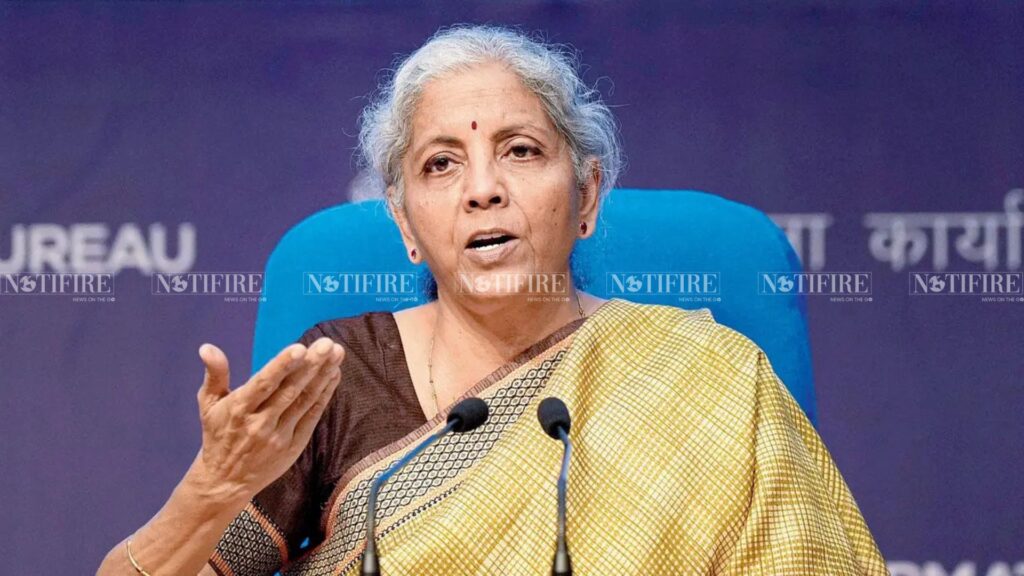
Finance Minister Nirmala Sitharaman recently signaled a potential shift in India’s tariff policies, indicating that some of them may be rolled back in a carefully calibrated manner. This possible rollback is part of a larger economic approach aimed at nurturing domestic industries while also creating a competitive edge for India in the global market. While the government has raised tariffs on certain imports in recent years to bolster local production, these adjustments have been guided by the broader goal of promoting India as a major manufacturing hub.
The Current Tariff Strategy: A Dual Approach
India’s tariff strategy has been marked by two complementary objectives: protecting domestic manufacturers from an influx of cheap imports and incentivizing foreign direct investment (FDI) to boost manufacturing sectors where India has a competitive advantage. For instance, over the last few years, India has increased tariffs on finished goods like electronics, consumer goods, and certain machinery. This is intended to support local businesses by reducing competition from cheaper foreign products, while selectively lowering tariffs on intermediate goods to keep the costs of local production manageable.
Sitharaman has clarified that the government does not view high tariffs as a permanent economic stance but rather as a flexible measure that can be adapted to suit India’s evolving industrial needs. At the recent Business Standard Manthan event, she emphasized that protectionist policies are not meant to insulate Indian industries indefinitely. Instead, the government aims to create a “safe space” for domestic businesses to grow and achieve global standards of quality and competitiveness. This is a strategy that recalls the economic models of East Asian economies, which also relied on tariffs as a temporary measure to stimulate local industry before gradually reducing them as industries matured.
Encouraging Investment While Safeguarding Local Business
India’s approach also seeks to attract significant FDI, especially in high-value sectors like IT, electronics, and specialized manufacturing. By raising tariffs on select finished products, India is encouraging foreign companies to set up local production facilities, thus creating jobs and expanding the domestic industrial base. This “tariff-jumping” model is intended to drive international companies to invest in the Indian market rather than merely export to it.
For instance, tariffs on fully assembled electronic items may encourage manufacturers to establish assembly plants in India, boosting local employment and reducing the need for imports. This is in line with the government’s “Make in India” initiative, which aims to position India as a key player in global supply chains by promoting local production capabilities.

Challenges and Potential for Global Competitiveness
While tariffs on certain finished goods can shield domestic businesses, there are potential drawbacks. Higher tariffs can increase prices for Indian consumers and, if extended to essential production inputs, can elevate production costs for local companies. Sitharaman has acknowledged these risks, noting that the government is keen to avoid policies that would burden local businesses or disrupt the supply of critical raw materials.
The ultimate aim of this strategy is to help Indian industries compete globally without relying on prolonged tariff protections. To achieve this, the government has emphasized the importance of ongoing reforms aimed at improving India’s business environment. This includes streamlining regulations, improving infrastructure, and fostering innovation, all of which are essential to creating a globally competitive manufacturing sector. The government has also set ambitious growth targets to make India a developed nation by 2047, marking 100 years of independence.
A Calibrated Rollback: Balancing Protection and Open Trade
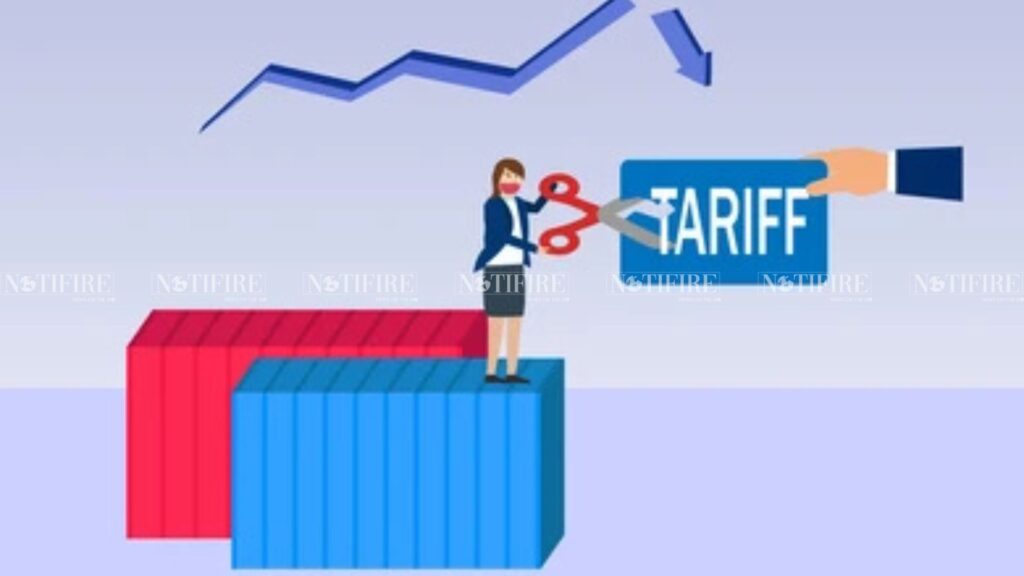
As Sitharaman hinted at a potential tariff rollback, it is likely that the government will adopt a selective approach, removing tariffs on products and industries where local players have become competitive. This gradual phasing out of tariffs could make India a more attractive market for foreign investors and enable Indian businesses to expand their reach globally.
The tariff rollback discussion also aligns with global trade dynamics, as India seeks to balance domestic interests with international trade obligations. Sitharaman’s policy hints suggest that India may soon shift towards a model that blends protectionist and open-market policies, providing a dynamic response to changing global trade patterns.
Conclusion: A Strategic Vision for India’s Economic Future
The potential rollback of tariffs signals a nuanced approach to India’s industrial growth. Rather than adopting strict protectionism, the government’s strategy emphasizes temporary measures to boost domestic industries while gradually opening up the market to global competition. This balanced approach could help India achieve self-reliance without compromising its position in global trade.
By focusing on high-value industries and fostering an investment-friendly environment, India is working towards a future where its domestic industries are robust enough to compete on an international scale. The government’s calibrated approach, as outlined by Sitharaman, reflects a vision for an economically self-sufficient and globally integrated India.
Follow for more updates.