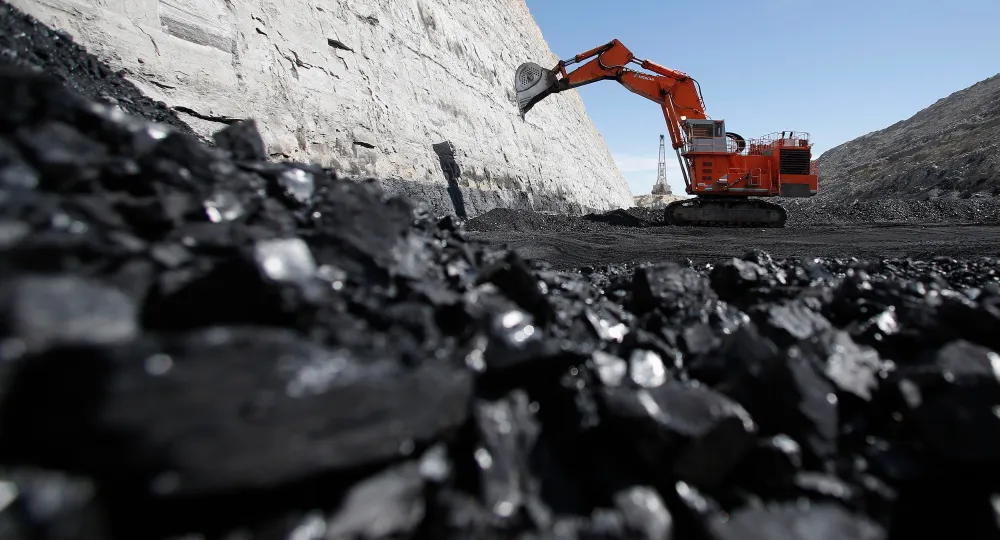
The Coal Industry in India remains the backbone of the country’s energy supply, fueling nearly 70% of electricity generation. Despite global pressure to shift toward renewable energy, coal mining in India continues to dominate because of its affordability and availability. However, behind this heavy reliance lies a serious cost—health problems, environmental damage, and long-term sustainability concerns.
Why coal is still India’s main fuel
India depends on the coal industry because it is the cheapest and most accessible energy source. The vast reserves of coal make it easier for India to meet its growing electricity demands. Coal mining in India also provides millions of jobs, making it an economic lifeline. Yet, this reliance comes at a high price when we consider its effects on health and the environment.
The hidden health risks of coal use
One of the biggest challenges linked to the coal industry is the health impact on local populations. Burning coal releases harmful pollutants like sulfur dioxide, nitrogen oxides, and fine particles that can enter human lungs. Studies have shown that areas near coal plants report higher cases of asthma, lung diseases, and even heart problems. For children and the elderly, exposure to coal-related pollution can be especially dangerous.
How coal industry pollution affects air and water
The coal industry not only pollutes the air but also contaminates water sources. Fly ash and coal dust often find their way into rivers and groundwater, affecting drinking water quality. This pollution can lead to severe health problems such as kidney disorders and skin diseases. Cities that rely heavily on coal-based power plants often experience smog, poor air quality, and unsafe living conditions.
Coal mining and its impact on people
Coal mining in India directly impacts the lives of those living near mining zones. Communities often face land displacement, loss of livelihood, and unsafe working conditions. Workers in mines are at risk of respiratory illnesses due to constant exposure to coal dust. Moreover, mining has led to deforestation and soil degradation, making agricultural activities difficult in affected areas.
Can renewable energy be the solution?
While the coal industry is still dominant, renewable energy offers a cleaner and safer path forward. Solar and wind energy projects are rapidly expanding across India, providing hope for reducing dependence on coal. Transitioning to renewable sources not only helps cut down pollution but also creates new job opportunities for communities that currently depend on coal mining.
The future of coal in India’s energy plans
India’s energy roadmap still includes coal, but there is growing recognition of its harmful effects. The government has promised to balance the role of coal with cleaner alternatives like solar, wind, and hydro energy. According to experts, a gradual but firm shift away from coal will help India achieve its climate goals while protecting the health of its people.
Final Thought
The Coal Industry has powered India’s progress for decades, but its health and environmental costs can no longer be ignored. By investing in renewable energy and phasing out unsafe mining practices,