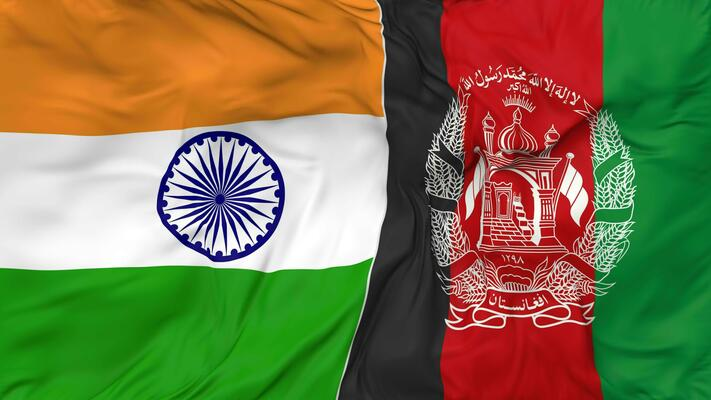
India has presented its balanced Afghanistan Policy at the UN General Assembly, calling for humanitarian aid, counter-terrorism measures, and inclusive governance. The country chose not to vote on a recent resolution, but it clearly spelled out its stand: support should be directed to Afghan citizens and not the Taliban. India emphasized the importance of helping people, combating terror, and respecting human rights.
India chose not to vote, but spoke strongly for Afghanistan Policy
India’s decision to abstain from voting reflected its careful and nuanced Afghanistan Policy. Instead of supporting the resolution, India used its speech at the India UNGA session to highlight how any aid must reach the Afghan people—not the ruling Taliban. Indian diplomats urged other nations to maintain clarity on their priorities in Afghanistan and ensure aid is not diverted.
Support should reach Afghan people, not Taliban
India stressed that international assistance must target ordinary Afghans—women, children, farmers, and students—who face hunger, disease, and human rights violations Afghanistan Policy. Aid reaching these people will strengthen social stability. The Indian delegation proposed mechanisms to monitor aid delivery and prevent funds from indirectly empowering the Taliban leadership.
Terror groups like LeT & JeM are a big threat
Another key aspect of India’s speech was Counter-Terrorism. Indian representatives warned that terrorist organizations like LeT and JeM continue to operate and threaten peace in South Asia and beyond. India urged all countries to cooperate on intelligence-sharing, border management, and disrupting terror financing networks. A strong stance on Counter-Terrorism is essential to prevent Afghanistan from becoming a launchpad for global terror.
All Afghans deserve rights and inclusion
India emphasized the need for a rights-based approach and inclusion of all Afghans, including women, minorities, and ethnic groups. It expressed deep concern over bans on girls’ education and restrictions on women’s employment. India said sustainable peace depends on inclusive governance where every Afghan has a voice and opportunity.
World needs a clear, long-term action plan
India called for a clear, long-term action plan at the global level. Piecemeal aid or short-term initiatives will not address systemic issues in Afghanistan. A roadmap covering humanitarian relief, reconstruction, and social inclusion is vital. The world must remain committed for the long haul, even after media attention fades.
For detailed insights into India’s balanced stance at the UN, read the full report on GK Today.
Conclusion:
India’s Afghanistan Policy, presented at the India UNGA, focused on helping Afghans, stopping terror, and planning for a lasting solution. With its emphasis on Counter-Terrorism and humanitarian support, India urges the world to aid the people, not political leaders. This approach combines compassion with caution—and demands a united global effort for peace and stability in Afghanistan.
Stay tuned with Notifire more updates.