Source: Live Mint
India’s economic landscape continues to shine as one of the world’s fastest-growing economies. While growth forecasts remain optimistic—projected at around 6.7% for 2024—economists have raised concerns over a few structural issues, notably the sluggish job creation rate and tepid household spending, which could pose long-term risks to economic stability and equitable growth.
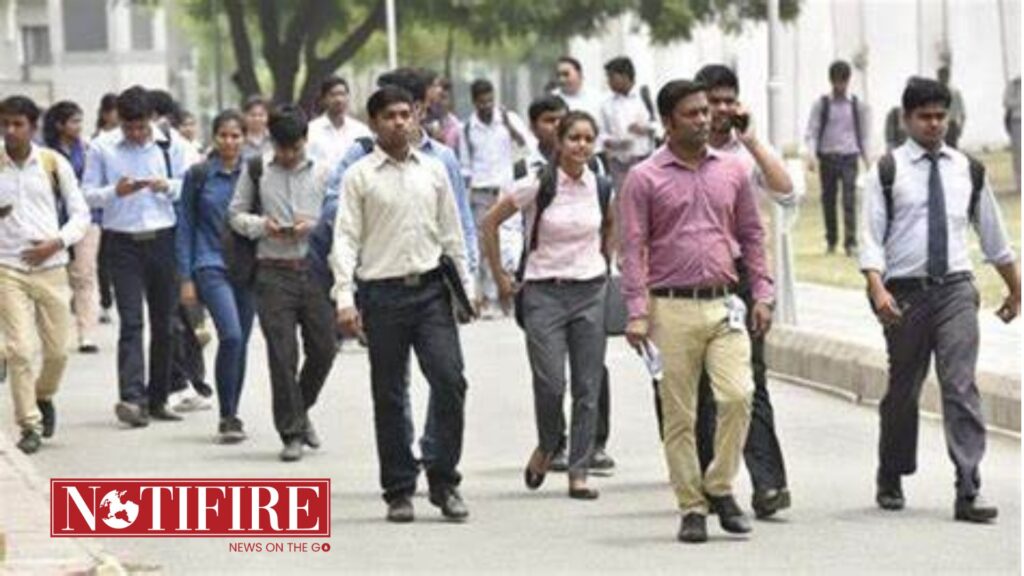
Job Creation: India’s “Jobless Growth” Dilemma
One of the most pressing challenges is India’s ongoing struggle with “jobless growth,” where GDP growth outpaces the creation of adequate employment opportunities. The country’s economic expansion has been largely fueled by capital-intensive industries, including the IT sector and advanced manufacturing. While these sectors contribute significantly to GDP, they generate fewer jobs relative to their economic output, limiting the absorption of the growing workforce. For example, the IT sector, while a substantial contributor to India’s GDP, employs only a small percentage of the workforce.
To address this imbalance, economists argue that India must focus on scaling small and midsize enterprises (SMEs). These companies could be instrumental in driving job growth, especially in regions with underutilized labor forces. Supporting SMEs with access to risk capital, relaxed regulatory norms, and sector-specific incentives could allow them to expand and create jobs, fostering a more inclusive economic growth model.
Additionally, India’s manufacturing sector faces “premature deindustrialization,” a phenomenon where manufacturing employment declines before reaching the levels of per capita income seen in developed economies. Global competition and the rise of automation limit the sector’s ability to absorb surplus labor from agriculture. By addressing these structural barriers, India can better position its manufacturing sector to contribute to employment alongside GDP growth.
Tepid Household Spending: Inflation and Debt Pressures
Although household spending is expected to grow by 6.7% in 2024, several factors threaten to curb this trend. Inflation in essentials, particularly food and housing, continues to erode disposable income. While inflation is stabilizing in some areas, elevated prices persist, placing considerable strain on household budgets. Additionally, rising interest rates add pressure on families with debts, often requiring a higher portion of disposable income to service loans. As a result, households, particularly middle- and lower-income groups, are allocating less to discretionary spending, impacting broader economic growth.
One positive sign, however, is the steady decrease in household debt since the COVID-19 pandemic, when borrowing became necessary to cover basic needs. This debt reduction improves the outlook for household spending, as families are less burdened by repayments and have more capacity for spending. Moreover, with the Indian rupee expected to appreciate slightly against the U.S. dollar, imported goods may become more affordable, potentially boosting consumer spending further.
Policy and Structural Reforms: Pathways to Inclusive Growth
Given the challenges with job creation and household spending, targeted economic reforms could play a vital role in sustaining growth and ensuring it benefits a broader population. Economists suggest that expanding sector-specific policies—particularly in manufacturing, agriculture, retail, and services—could catalyze significant economic activity. For instance, reforms in agriculture and food processing, including easing interstate trade restrictions, could unlock value for rural communities and create employment opportunities.
Moreover, infrastructure development and investment in construction can stimulate demand for labor, contributing to job creation. The construction sector, for example, is expected to double its GDP contribution by 2030 if bolstered by regulatory and fiscal support. This growth would have substantial positive effects on employment, given the labor-intensive nature of the sector.
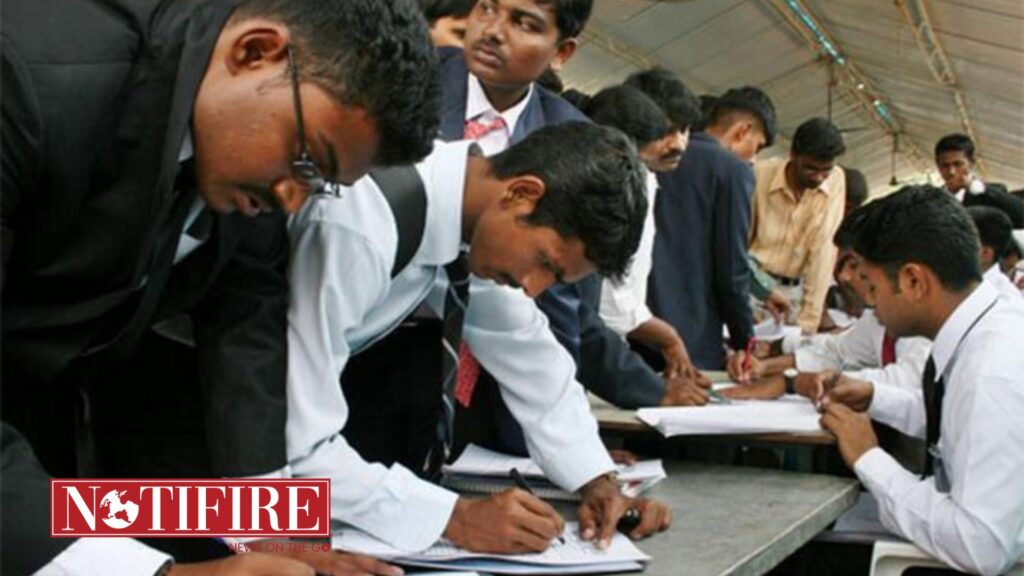
In the retail space, leveling the playing field across trade formats, including e-commerce and traditional trade, could drive sectoral growth, enhancing consumer choice and promoting small businesses. Support for vocational training and skill development programs would also address the growing skill mismatch in India, equipping the workforce with capabilities that align with market demands. These programs should focus on future-oriented sectors such as renewable energy and digital technology, creating a pipeline of skilled workers to fill gaps in high-growth industries.
Conclusion: Balancing Growth with Equity
While India’s economic trajectory is promising, sustaining this growth requires addressing underlying issues in job creation and consumer spending. By fostering a more competitive SME ecosystem, supporting sectoral reforms, and investing in skill development, India can ensure that growth benefits reach more people across the socioeconomic spectrum. Such initiatives would also help India capitalize on its demographic dividend, transforming economic expansion into widespread prosperity and economic security for the future.
India’s growth story is far from complete, and while the economy remains on track, success hinges on tackling the core challenges that inhibit inclusive development. With strategic policy changes and reforms, India can unlock the full potential of its economy, setting a foundation for sustainable and equitable growth for years to come.
Follow for more updates.