Source: The Economic Times
The Modi government in India is moving towards a major overhaul of its electric vehicle (EV) policy framework, intending to position India as a leading player in the global market for green mobility. The policy’s reformation is designed to make India more appealing for large foreign investments, particularly from companies like Tesla and Vietnam’s VinFast. Through lower import duties and tax incentives, the government aims to foster local manufacturing while reducing reliance on imported vehicles. This shift signals India’s commitment to establishing a robust domestic industry, enhancing both economic opportunities and environmental benefits.
Key Policy Changes and Goals
Under the new policy, foreign EV manufacturers must commit to a minimum investment of $500 million, including setting up local production facilities. In return, they will receive substantial reductions on import duties for their vehicles. By drawing in advanced technology and expertise from established companies, India is positioning itself to compete with other major manufacturers globally. The policy is also intended to help lower vehicle costs, thus making green transportation more accessible and affordable for Indian consumers.
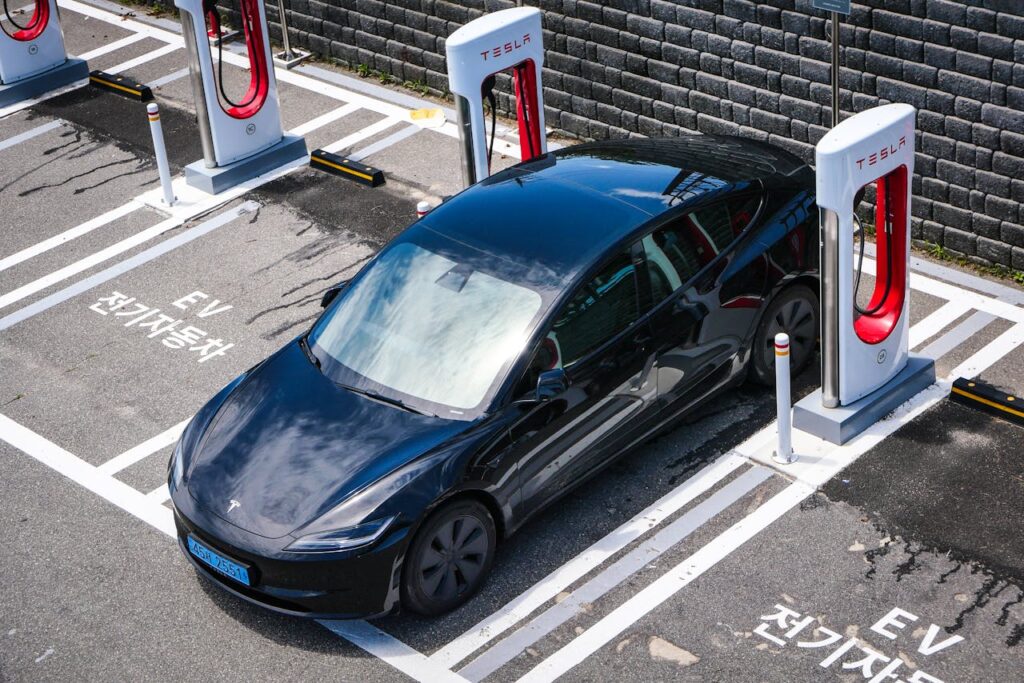
Tesla’s renewed interest in India, signaled by recent meetings between Tesla CEO Elon Musk and Indian officials, illustrates the appeal of this policy shift. Previously, Tesla had sought import tax reductions without committing to local production, a move rejected by Indian authorities. However, under the new framework, Tesla and similar manufacturers are incentivized to establish a domestic presence, potentially making vehicles more affordable and expanding their reach within India.
Benefits and Challenges of the New Policy
- Economic Growth and Job Creation: Establishing factories for green vehicles within India is expected to create thousands of jobs, facilitate technology transfer, and contribute to India’s industrial landscape. As more manufacturers enter the market, competition and innovation in the sector are expected to increase.
- Development of Infrastructure: The government’s push for domestic production is complemented by the expansion of battery manufacturing and charging infrastructure. The production-linked incentive (PLI) scheme, already backed by over $2 billion, aims to support this broader ecosystem, facilitating a transition to green mobility.
- Environmental Impact: Reducing pollution levels is a primary objective, as urban air quality has become a pressing issue in India. Encouraging green mobility solutions aligns with India’s environmental targets under the Paris Agreement, promoting cleaner, more sustainable transportation.
- Improved Accessibility: By incentivizing local production, the policy aims to bring down the cost of electric vehicles, making them more accessible to Indian consumers. This affordability is vital for widespread adoption, as high upfront costs have often deterred potential buyers.
Market Implications and Future Outlook
India’s market for electric transportation, though still growing, is set to expand rapidly over the next decade. The influx of global players will likely accelerate this growth, adding a variety of models and options for consumers. Domestic brands like Tata and Mahindra are also expanding their lineups, which should further intensify market competition and provide a wider range of options for consumers.
Additionally, this shift could introduce advanced features such as battery-swapping stations, autonomous driving, and more efficient battery technology, as leading companies bring their global expertise to India. By focusing on local manufacturing, the government is hoping to create a sustainable, long-term solution that will meet India’s growing demand for clean mobility solutions.
Challenges and Room for Improvement
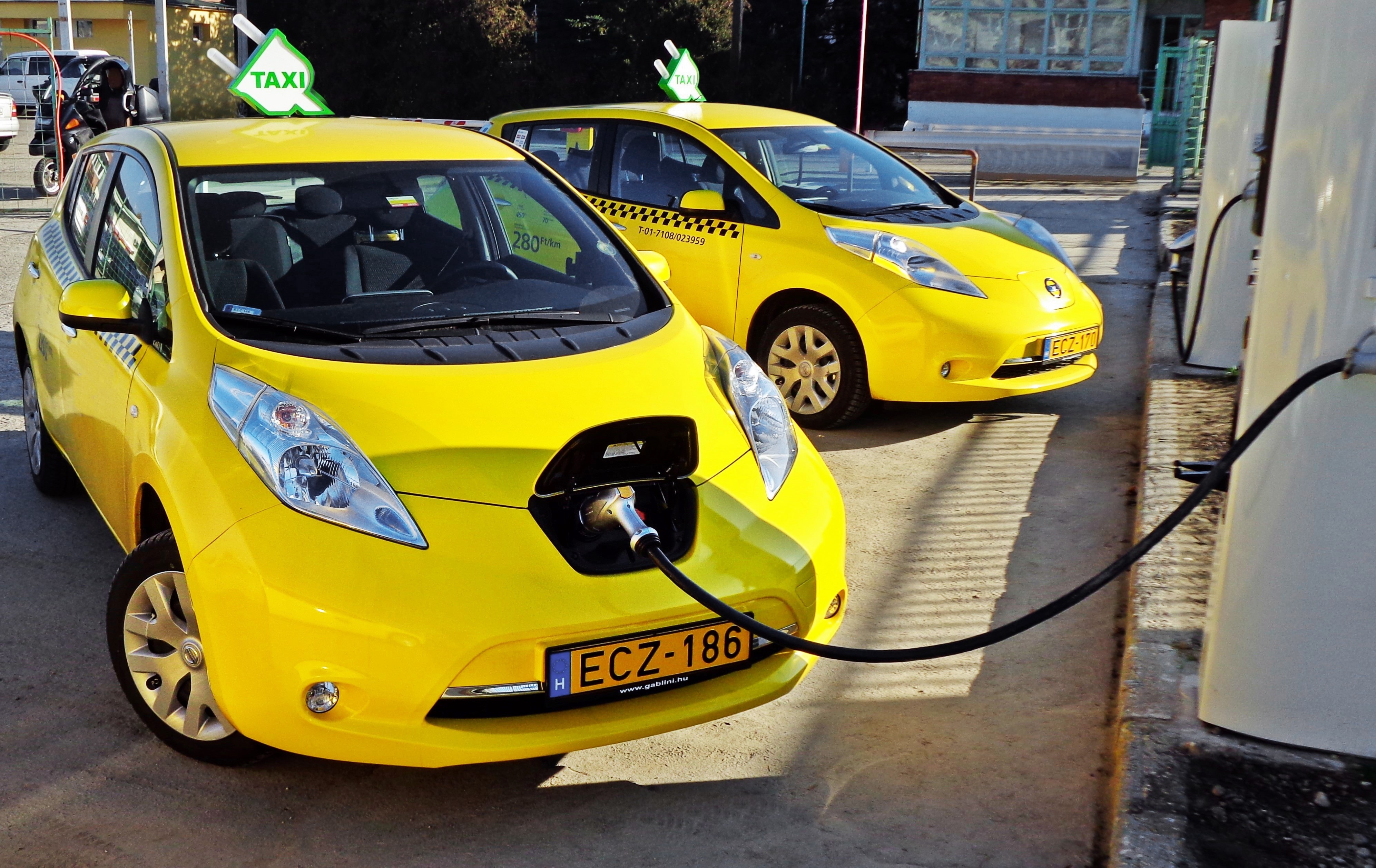
While promising, the policy faces a few challenges. India’s charging infrastructure, for instance, is still in an early stage, and achieving widespread access to charging stations will require substantial public and private sector collaboration. Moreover, while the reduction in import duties is a positive step, setting up a full-fledged manufacturing ecosystem demands consistent regulatory support and additional incentives, such as subsidies for raw materials or training programs for skilled labor.
India’s updated green mobility policy marks a crucial step toward sustainable transportation and economic growth. By creating an inviting environment for international manufacturers, the government aims to transform India into a competitive manufacturing hub for clean vehicles. This policy could also drive down costs for consumers, leading to broader adoption and a notable reduction in pollution levels.
With global players like Tesla expected to enter the market, this policy overhaul represents not just an opportunity for industry growth but also an essential stride toward making India a leader in green transportation across Asia and beyond.
Follow for more updates.