Source: ET Now
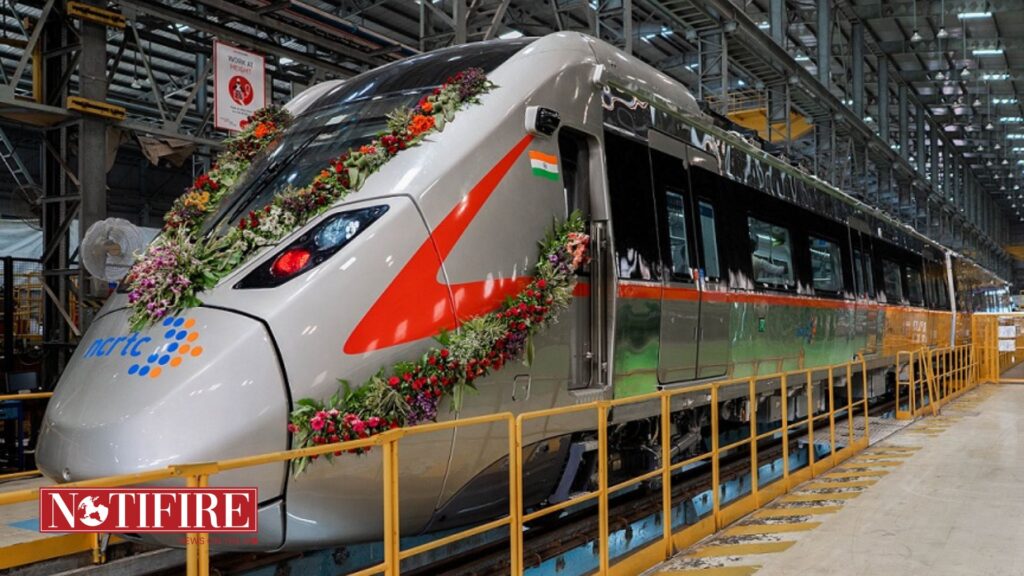
India is on the verge of a transportation revolution with the introduction of its first high-speed trains capable of reaching speeds of 280 km/h. BEML Ltd, a public sector company, has secured a contract worth ₹866.87 crore from the Integral Coach Factory (ICF) in Chennai to design and manufacture two cutting-edge high-speed trainsets. This development marks a pivotal moment for the Indian railway system, as these trains will be the first of their kind to be indigenously designed, showcasing India’s growing capability in technological innovation.
India’s High-Speed Rail Ambitions
These high-speed trains are expected to be ready by 2026 and will operate at an impressive speed of 250 km/h, with test runs reaching 280 km/h. The trainsets will feature eight cars each, fully equipped with modern amenities to provide passengers with an unparalleled travel experience. The coaches will be fully air-conditioned and designed with reclining and rotatable seats, enhancing passenger comfort. Additionally, special provisions for passengers with restricted mobility will be made, ensuring inclusive travel for all. Advanced onboard infotainment systems will also be included, catering to the entertainment needs of passengers during long-distance journeys.
BEML Secures the Prestigious Contract
The contract with BEML signals India’s ambition to reduce its reliance on foreign technology and expertise, marking a shift towards developing domestic infrastructure. In the past, India relied heavily on foreign technology, such as Japanese assistance for the Mumbai-Ahmedabad high-speed corridor. However, this new contract reflects a move towards self-reliance in the development of high-speed rail technology, reinforcing the country’s economic and technological growth.
Environmental and Sustainability Benefits
The project also aligns with India’s environmental goals, as high-speed trains are known to be energy-efficient compared to traditional modes of long-distance transportation. These trains are expected to help reduce the carbon footprint of travel, as they will lessen the dependency on road and air travel for short to medium distances. Furthermore, high-speed trains consume less energy per passenger kilometer than automobiles or airplanes, making them a sustainable option for future travel in India.
Apart from the environmental benefits, high-speed rail will play a crucial role in enhancing connectivity between key cities, reducing travel time significantly. With the growth of urbanization in India, the need for faster, more efficient modes of transportation has become increasingly evident. High-speed trains offer a solution to congestion on both roadways and in airports, providing a seamless connection between urban hubs. Passengers will enjoy a comfortable and quick journey, with reduced stress and increased convenience.
Boosting India’s Economy and Self-Reliance
This project is not just a technological milestone but also a potential game-changer for India’s economy. Improved rail connectivity can boost local economies by facilitating smoother movement of people and goods, thereby opening up new opportunities for businesses and industries across the country. As a result, the introduction of these high-speed trains can be expected to have a positive ripple effect on employment, tourism, and overall economic development in the regions they serve.
Furthermore, this development sets the stage for more ambitious high-speed rail projects in India, positioning the country as a global contender in the high-speed rail sector. The success of this project could pave the way for future expansions, enabling India to build a more comprehensive network of high-speed trains, eventually connecting more cities across the country. Such advancements would not only revolutionize passenger travel but also make India a hub for rail technology manufacturing and innovation.
Shaping the Future of Indian Railways
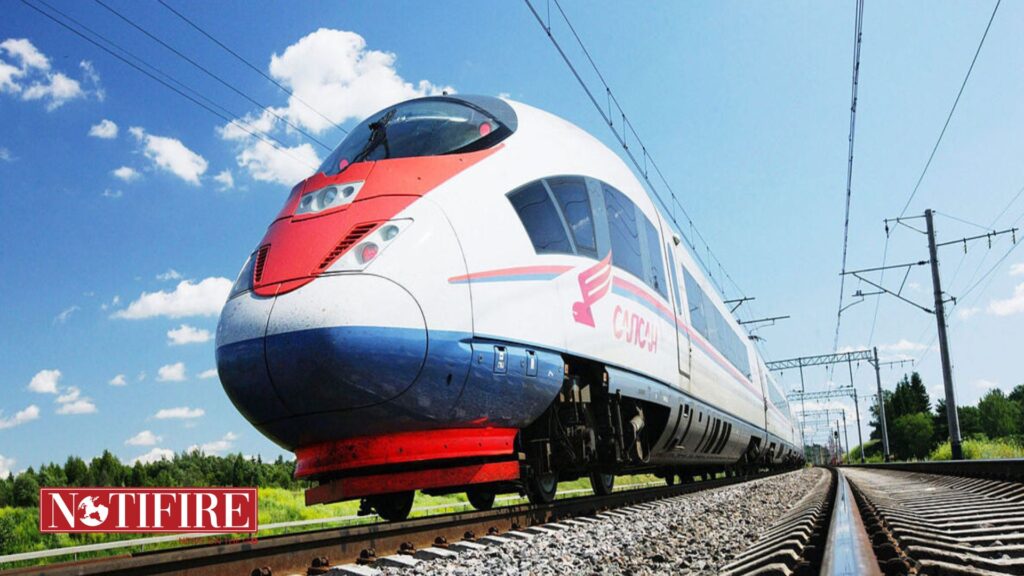
The introduction of India’s first 280 km/h high-speed trains represents a landmark achievement in the country’s journey towards modernizing its transportation infrastructure. With the BEML-ICF partnership leading the charge, India is poised to transform its railways into a high-speed, efficient, and sustainable mode of travel. By embracing indigenous manufacturing and reducing travel times, these high-speed trains are set to benefit not only the passengers but also the nation’s economy, environment, and technological standing on the global stage.
Follow for more updates.