The fully digital Census is all set to change how India records its population and housing data. For the first time in history, the upcoming Census 2027 India digital exercise will rely on technology, self-reporting, and faster data processing to bring accurate results in less time. This major step promises to make census operations more transparent, efficient, and citizen-friendly.
What makes the First Fully Digital Census unique
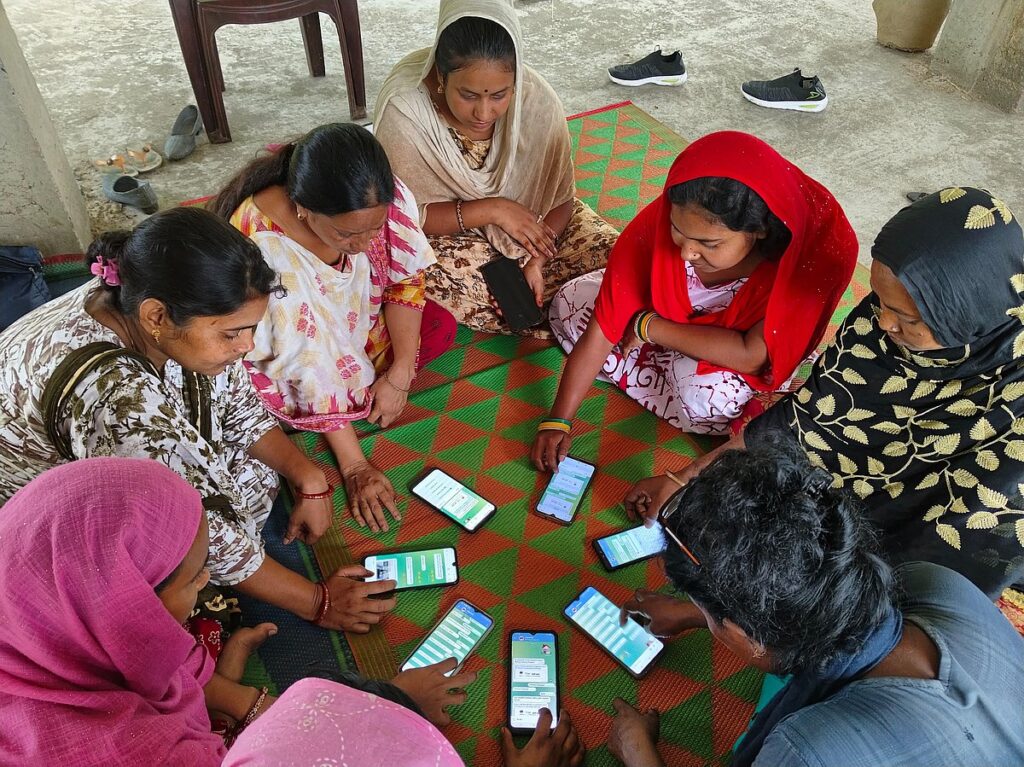
Unlike previous censuses, which were paper-based and time-consuming, the Fully Digital Census India will use mobile apps, tablets, and secure online systems. Citizens will also have the option to self-enumerate, meaning they can fill in their details online without waiting for a field officer. According to GKToday, this marks a new era in data collection, reducing paperwork and errors while increasing participation across all states.
Housing and population phases
The Census 2027 India digital survey will be carried out in two major phases:
- Housing Census – Collecting information about households, amenities, and living conditions.
- Population Census – Recording details like age, gender, literacy, occupation, and family size.
Conducting both phases digitally will save time and resources, and ensure faster compilation of results for policymakers.
Digital tools and self-reporting
The government plans to introduce mobile apps and web portals to allow citizens to submit their information directly. This Fully Digital Census method ensures inclusivity, as it will be accessible in multiple regional languages. As reported by GKToday, these digital tools are expected to improve data accuracy and help reach remote areas through secure offline data collection that syncs when internet is available.
Caste data collection resumes
One of the most talked-about aspects of Census 2027 India digital is the return of caste-based data collection. Policymakers believe this will provide valuable insights into social and economic structures, helping frame targeted welfare schemes. With the Fully Digital Census India, caste data will be categorized more systematically than ever before.
Faster results expected in 9 months
Traditionally, census results took years to finalize due to manual compilation. The Fully Digital Census aims to deliver accurate preliminary results within just 9 months. This quick turnaround will enable the government to use fresh and reliable data for planning welfare programs, infrastructure projects, and economic policies.
Why the census matters for planning
The Fully Digital Census India is more than just a population count. It is the backbone of national planning. Every major decision—from building schools and hospitals to designing transport networks and welfare schemes—relies on census data. With the Census 2027 India digital approach, India is ensuring that future development is based on the most accurate and timely information available.
Follow Notifire for more insight.