Source: Money Control
India’s semiconductor industry is on the brink of a transformative boom, expected to generate over 10 lakh (1 million) jobs by 2026. This growth is driven by significant government investments, global interest, and the booming domestic demand for semiconductors in electronics, automotive, and other tech-driven sectors. Let’s explore what’s fueling this growth and the promising career opportunities emerging in the sector.
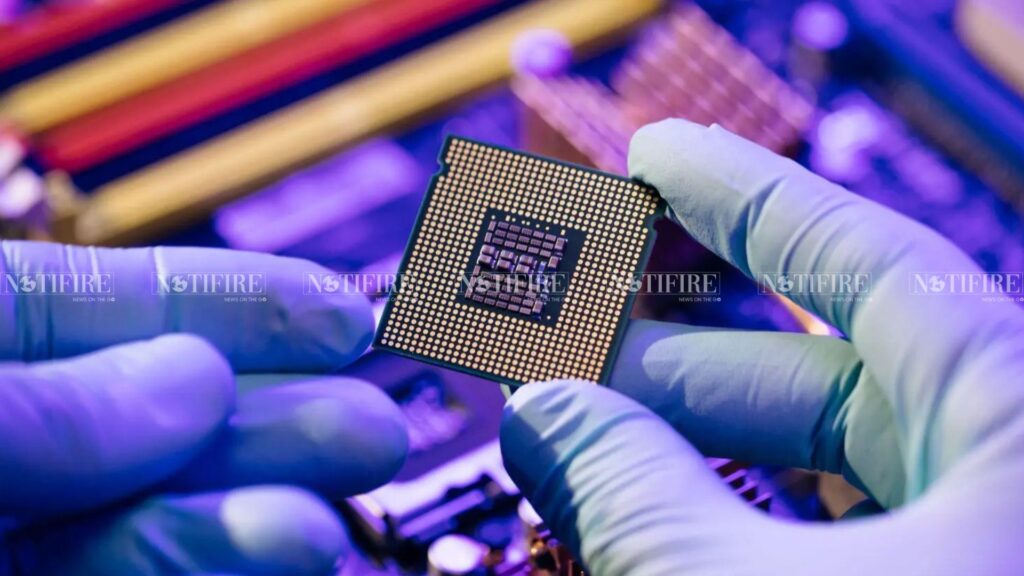
The Foundation of India’s Semiconductor Boom
The Indian government launched the $10 billion (₹76,000 crore) Semiconductor Mission, a cornerstone of its strategy to make India a global hub. This mission incentivizes both local and international companies to set up manufacturing facilities within the country, creating an attractive business ecosystem with financial support, favorable policies, and tax benefits.
In addition to government funding, several industry giants are investing in India. The Tata Group, Vedanta, and other conglomerates are moving to establish the manufacturing and design facilities in India. This influx of investment reflects confidence in India’s potential as a semiconductor powerhouse, providing both jobs and economic growth.

Meeting Rising Demand for Semiconductors in India
India’s demand has grown exponentially due to sectors like mobile manufacturing, automotive, and renewable energy. India has a massive consumer electronics market, and as cars, smartphones, and home appliances become more tech-driven, demand for advanced semiconductors only continues to grow. Major companies like Apple, which has already begun manufacturing iPhones in India, now look to source domestically—a shift that drives further industry expansion.
Workforce Development and Training
To support industry needs, India is focused on upskilling its workforce. The government, in collaboration with technology companies and educational institutions, has introduced several training programs. For instance, Lam Research plans to train 60,000 engineers using specialized semiconductor education programs. Moreover, the government has designated over 300 engineering colleges to offer courses specifically related to semiconductor technology, aiming to produce around 85,000 engineers within the next few years.
This skilled workforce will be crucial for chip design, testing, and manufacturing, preparing India to meet its industrial goals and compete on a global scale.

Job Opportunities Across the Semiconductor Value Chain
The projected 10 lakh jobs span various roles, including engineering, manufacturing, R&D, software development, and chip testing. Here’s a breakdown of some prominent career areas:
- Chip Design and Development: Chip designers create blueprints for semiconductors used in devices. This field requires expertise in electrical engineering and software development, making it an ideal career path for technology enthusiasts.
- Manufacturing and Testing: Setting up fabrication plants (fabs) in India means there will be high demand for skilled workers in semiconductor manufacturing. Technicians, process engineers, and quality control specialists will play pivotal roles.
- Research and Development (R&D): Innovations in these materials and processes demand a strong R&D base. Engineers and researchers in materials science and electrical engineering will contribute to developing next-gen semiconductors for faster, smaller, and more efficient chips.
- Software and Embedded Systems: Software engineers specializing in embedded systems play a crucial role in testing and integrating chips into end-user products like smartphones and IoT devices.
- Project Management and Supply Chain: With India’s semiconductor industry expanding, project managers, logistics coordinators, and supply chain professionals will be essential in overseeing the production process and ensuring timely product delivery.
India’s Global Aspirations and Challenges
India’s ambition to become a semiconductor manufacturing leader aligns with its “Atmanirbhar Bharat” (self-reliant India) vision. Achieving this, however, requires overcoming certain challenges. The semiconductor industry demands high levels of technical expertise, massive capital investment, and reliable infrastructure. Moreover, supply chain disruptions and geopolitical factors can impact the sourcing of raw materials and machinery, affecting production timelines.
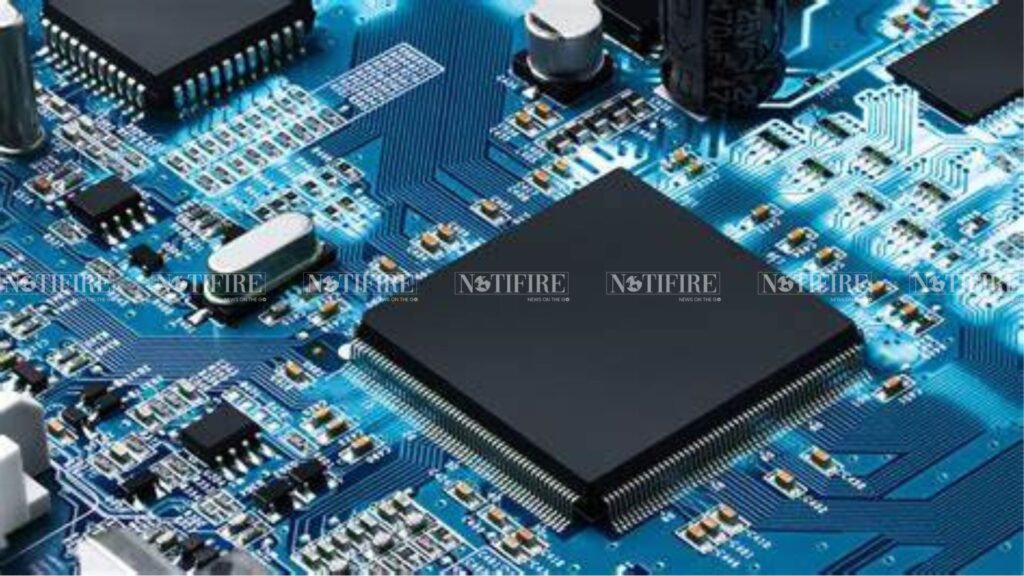
But with a combination of skilled labor, favorable government policies, and increasing demand, India’s path forward looks promising. The government’s partnerships with companies and its willingness to address infrastructure needs are setting the stage for sustainable industry growth.
A New Era for Indian Tech Talent
India’s boom represents more than just economic growth; it’s a testament to India’s emergence as a major player in the global technology landscape. With new job opportunities, skill development programs, and investments, the country is poised to meet international demands and establish itself as a reliable supplier. As we look ahead to 2026, the semiconductor industry promises to be a major employment sector, offering varied career paths and reinforcing India’s role as a global tech powerhouse.
Follow for more updates.