AI Data Centers Are Now a Political Liability
TL;DR: The Republican Party is privately warning top AI firms that local opposition to data centers is becoming a serious political problem, signaling a major new risk for the industry's essential infrastructure and future growth plans.
Key facts
- Category
- Infrastructure
- Impact
- High
- Published
- Source
- TechRadar
Full summary
The Republican Party is privately warning AI firms that community backlash against new data centers has become a serious political liability.
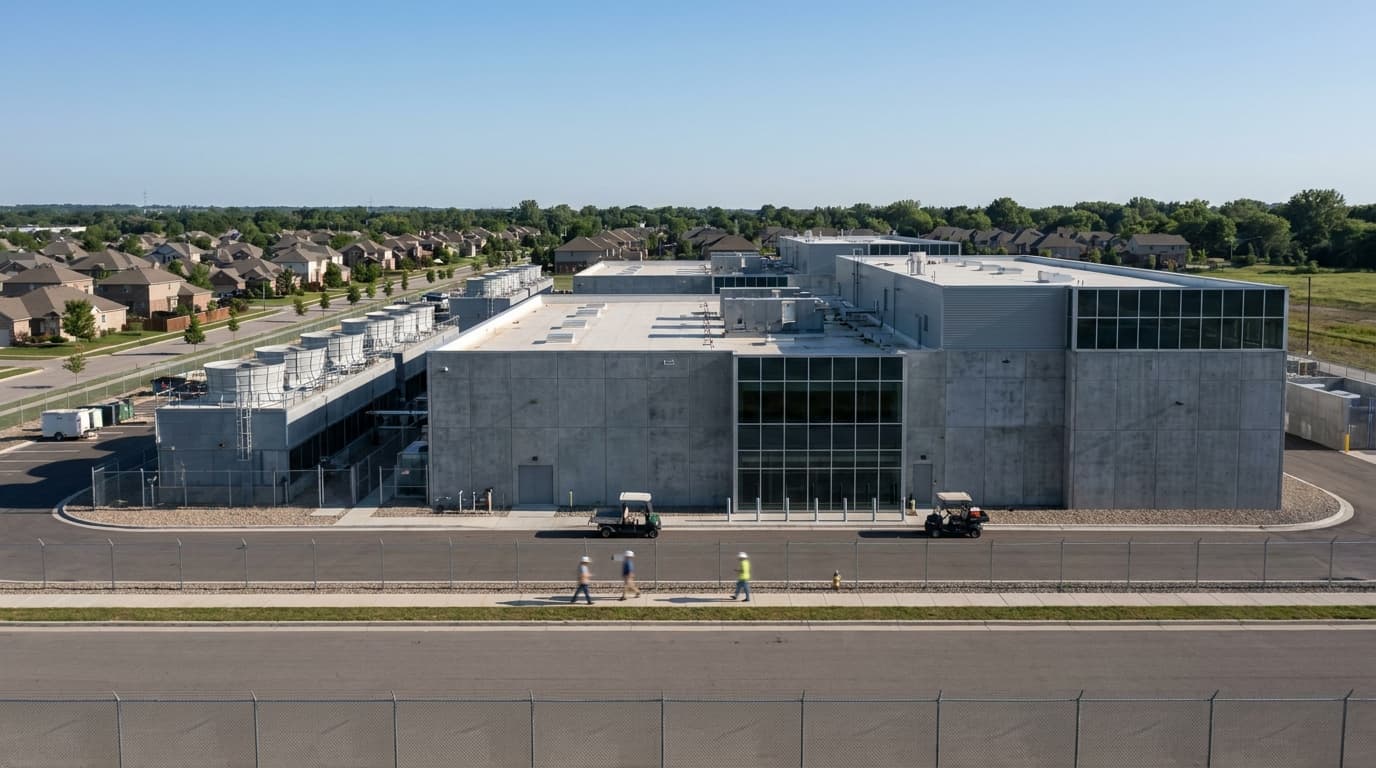
The National Republican Senatorial Committee (NRSC) has privately warned leading American AI companies that the rapid construction of new data centers is creating significant political backlash. According to reporting from Axios, the committee views the growing community opposition as a "sleeper issue" that could negatively impact election outcomes. This warning elevates local zoning disputes into a matter of national political strategy. For years, communities have raised concerns about the immense resources these facilities consume. However, this direct communication from a major political party committee to the tech industry signals a new phase of risk, where the infrastructure powering the AI boom is now a tangible political target.
At the heart of the issue is the massive environmental footprint of modern data centers, which are essential for training and running large-scale AI models. These facilities require vast amounts of electricity to power servers and even more resources for cooling. This can strain local power grids, potentially leading to higher utility bills for residents and businesses in the surrounding area. Water consumption is another critical flashpoint, as many cooling systems use millions of gallons of water, a contentious issue in regions facing drought or water scarcity. For local communities, the trade-off is often unclear; they experience the strain on public resources without always seeing direct economic benefits, leading to organized and increasingly effective opposition.
This development poses a direct threat to the strategic roadmaps of AI companies, cloud providers, and any enterprise that depends on scalable computing infrastructure. For CTOs, founders, and IT leaders, planning for future growth is no longer just a technical or logistical challenge of securing land, power, and fiber optic connections. It now involves navigating a complex and potentially hostile political and public relations landscape. The primary risk is that future data center projects could face significant delays, outright rejection by local authorities, or be saddled with expensive new regulations and community benefit agreements. This could ultimately slow the pace of AI innovation and increase the cost of cloud computing for all users.
The immediate business takeaway is that political risk assessment and community engagement must become core components of any infrastructure expansion strategy. The era of quietly building massive, power-hungry facilities without public scrutiny is effectively over. Companies must now proactively demonstrate their value to local communities, whether through job creation, tax revenue, or investments in local projects. Furthermore, there will be increased pressure to invest in and adopt more sustainable technologies, such as advanced liquid cooling, partnerships with renewable energy sources, and more efficient hardware designs. Ignoring community sentiment is no longer a viable option, as the political costs are now becoming explicit.
Looking ahead, this issue is part of a broader trend where the physical-world consequences of digital infrastructure are facing intense scrutiny. As AI becomes more deeply integrated into the economy, its environmental and social footprint will be a key battleground for public debate and regulation. Tech leaders should watch for this topic to surface more frequently in local, state, and even national elections. The industry's response—whether through technological innovation, more strategic site selection in resource-rich areas, or more sophisticated political and community outreach—will determine the physical and economic landscape of the ongoing AI revolution.
Related on Notifire
Related stories
Primary source: TechRadar