ClickStack Cloud Offers Serverless Observability
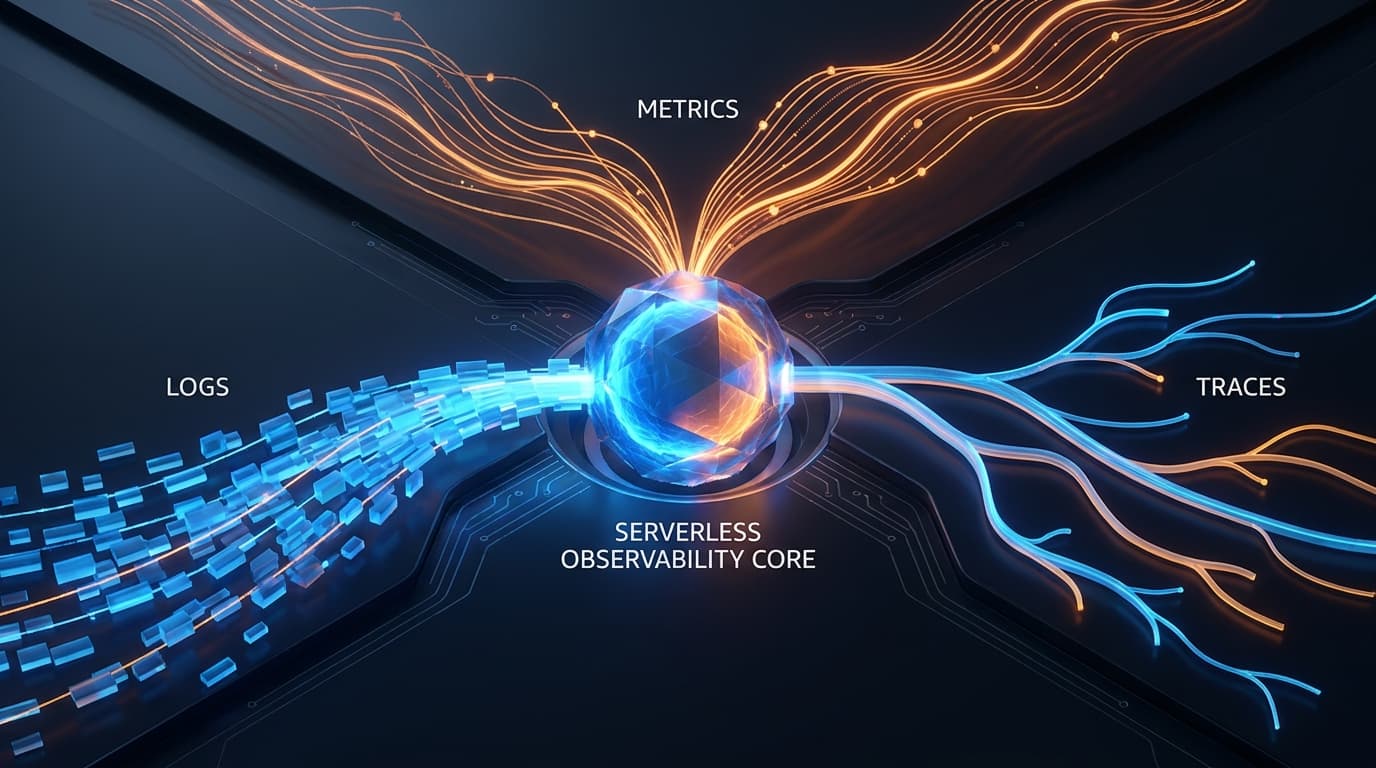
TL;DR: ClickHouse has introduced ClickStack Cloud, a new serverless observability platform. It's a fully managed service built on the ClickHouse database, designed to handle logs, metrics, and traces. The platform uses a managed endpoint for OpenTelemetry data, allowing teams to analyze systems without managing infrastructure.
Key facts
- Category
- Infrastructure
- Impact
- High
- Published
- Source
- ClickHouse Blog
Full summary
ClickHouse has launched ClickStack Cloud, a new managed, serverless platform for observability data like logs, metrics, and traces using OpenTelemetry.
ClickHouse has announced the launch of ClickStack Cloud, a new fully managed, serverless observability platform. The service is built on the company's high-performance ClickHouse database and is designed to ingest and analyze logs, metrics, and traces from various systems. A key feature is its native support for the OpenTelemetry standard. Users can send their observability data to a managed endpoint and begin exploring it immediately without needing to provision, configure, or maintain any underlying infrastructure. This approach aims to simplify the process of setting up a comprehensive monitoring solution.
This launch introduces a new competitor in the growing observability market, offering a solution for developers, IT, and operations teams. By leveraging the analytical power of ClickHouse, the platform promises fast data exploration and querying capabilities. Its support for OpenTelemetry is significant, as it allows organizations to use an open, vendor-neutral standard for instrumenting their applications, which can help avoid vendor lock-in. For businesses, this means a potentially lower barrier to entry for sophisticated system monitoring, enabling teams to focus more on insights and less on tool management.
Why it matters
This simplifies observability by offering a managed, serverless solution built on a high-performance database. Native OpenTelemetry support reduces vendor lock-in and eases data collection for engineering teams.
Business impact
Companies can adopt a powerful observability stack without the overhead of managing infrastructure, potentially lowering operational costs and allowing engineering teams to focus on core product development instead of tooling.
Tags
Related on Notifire
Related stories
Primary source: ClickHouse Blog