How One Niche System Grounded a Major Airline
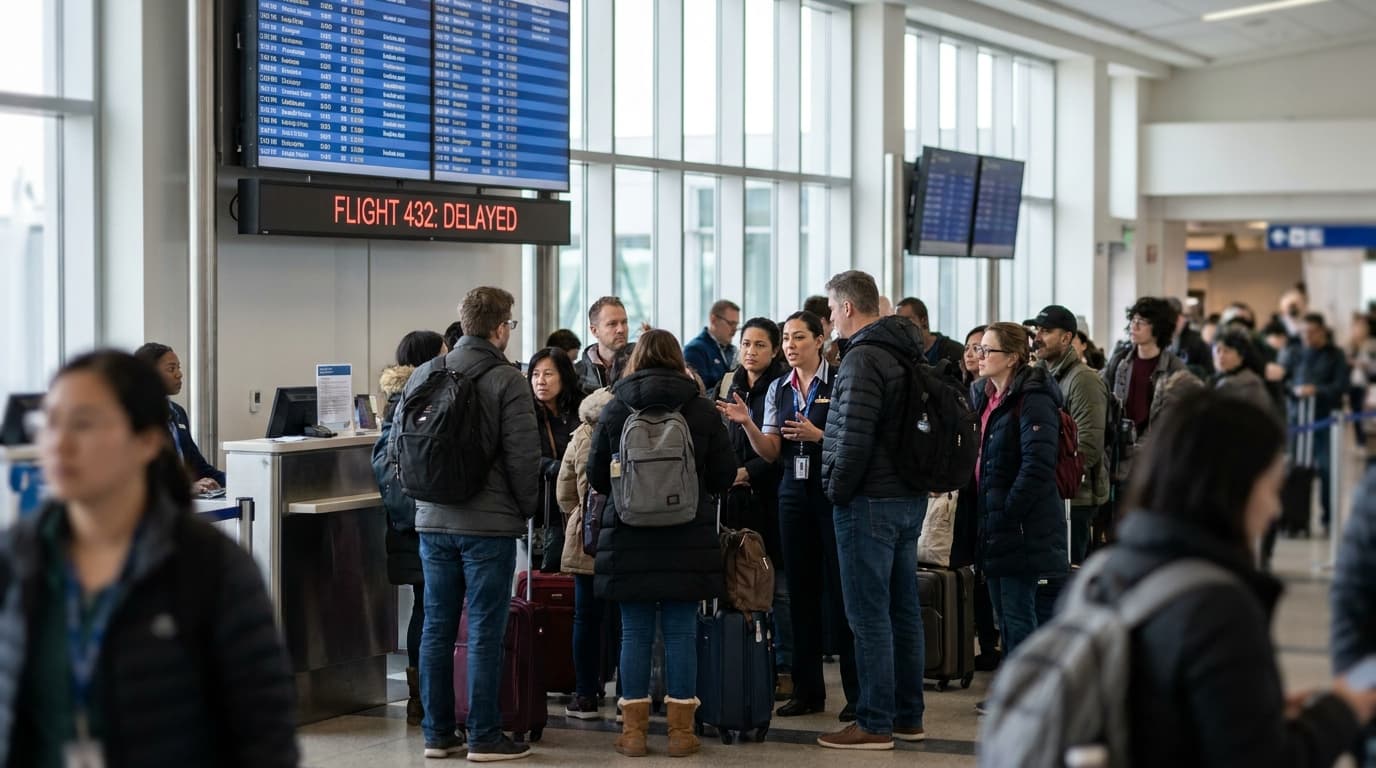
TL;DR: A critical system outage at Delta's largest hub grounded flights in Atlanta. The failure of software that calculates plane weight and balance shows how even niche tools can cause massive operational disruptions for large enterprises.
Key facts
- Category
- Infrastructure
- Impact
- High
- Published
- Source
- The Verge
Full summary
A single software system failure calculating plane weight and balance grounded Delta flights, highlighting the massive risk of niche, critical infrastructure.
Delta Air Lines experienced a major system outage on Sunday that caused significant delays for flights at its largest hub, Hartsfield-Jackson Atlanta International Airport. According to reporting from The Verge, the disruption was not caused by a widespread network failure or a common IT issue, but by a problem with a single, highly specialized piece of software. The system responsible for calculating the weight and balance of aircraft went down, effectively preventing planes from being cleared for takeoff. While the issue was specific to Delta, its impact was magnified by the airline's massive operational footprint in Atlanta, one of the world's busiest airports. The incident immediately created a ripple effect of delays across the network, demonstrating how the failure of one niche component can paralyze a complex, global operation and directly impact thousands of customers.
At the heart of the outage is a system that performs a non-negotiable, safety-critical function. An aircraft's weight and balance calculation determines how passengers, cargo, and fuel are distributed to ensure the plane's center of gravity is within safe operational limits. This calculation is essential for stable flight and is a mandatory step in pre-flight procedures. Without a certified and accurate calculation, a flight cannot legally or safely depart. This is not a system that can be easily bypassed with a manual workaround, especially at the scale of a major airline hub. The failure highlights a specific type of vulnerability in modern enterprises: dependency on unglamorous but indispensable software. While teams often focus on the resilience of customer-facing websites or core transaction databases, this event shows that a failure in a seemingly ancillary system can have an equally catastrophic effect, creating a hard stop for the entire business process.
The Delta outage is not an isolated event but part of a recurring pattern within the aviation industry and other large enterprises managing complex, legacy IT infrastructure. Airlines, in particular, operate on a tangled web of systems built over decades, from aging mainframe-based reservation platforms to modern mobile applications. These disparate systems are often tightly coupled, creating a fragile ecosystem where a failure in one area can trigger unpredictable cascading effects. We saw a similar, though more extensive, meltdown with Southwest Airlines' crew scheduling system, which led to a near-total collapse of its operations. These incidents serve as powerful case studies on the risks of technical debt and the immense challenge of modernizing critical infrastructure without disrupting service. They reveal that for many established companies, the biggest operational risks may not be external threats but the fragility of their own internal technology stacks.
For CTOs, founders, and IT leaders, this event is a crucial lesson in auditing for hidden single points of failure. The primary takeaway is the need to map out every system in the critical path of your business operation, no matter how small or obscure. Leaders should be asking their teams: What is our 'weight and balance system'? What unheralded piece of software, if it failed, would bring our revenue-generating activities to a complete halt? This incident underscores the importance of applying the same rigor for redundancy, failover capabilities, and disaster recovery planning to these specialized systems as you would to your primary infrastructure. The next step for any technology organization is to use this real-world example as a catalyst for a comprehensive resilience review. Identifying and mitigating these risks before they manifest as a public-facing meltdown is a core responsibility of modern technical leadership.
Why it matters
This incident is a stark reminder for engineering leaders that system resilience isn't just about web servers or databases. Highly specialized, legacy, or third-party systems in the critical path can become catastrophic single points of failure, demanding equal attention in disaster recovery and high-availability planning.
Business impact
The outage translates directly to significant financial losses from delays, crew rescheduling, and passenger compensation. It also causes severe reputational damage and erodes customer trust. For any business, this proves that investment in technical resilience is a direct investment in operational continuity and brand protection.
Tags
Related on Notifire
Related stories
Primary source: The Verge