Old Pixel Phones Power a New Private Cloud
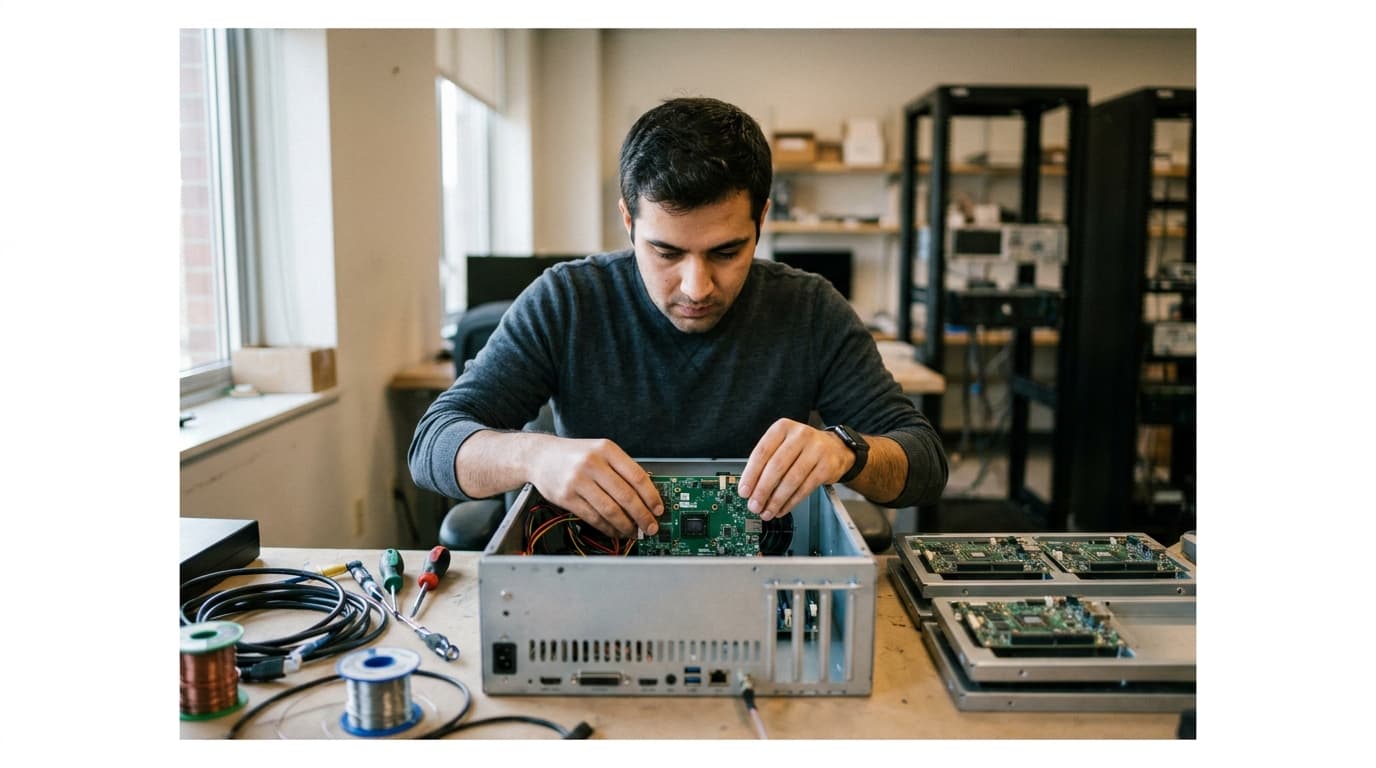
TL;DR: Google and UC San Diego are building a private cloud using 2,000 retired Pixel phones. This project explores a sustainable, low-cost way to create computing infrastructure and reduce electronic waste from discarded smartphones.
Key facts
- Category
- Infrastructure
- Impact
- High
- Published
- Source
- Slashdot
Full summary
Researchers are building a private cloud from 2,000 retired Google Pixel phones, creating a new model for low-cost, sustainable computing.
Google is collaborating with researchers at UC San Diego to build a private cloud using an unconventional resource: 2,000 retired Pixel phone motherboards. The project aims to demonstrate that discarded smartphone hardware can be repurposed into a powerful and useful computing cluster. This initiative gives a second life to devices that would otherwise become electronic waste. The team is assembling the hardware into a cohesive system, which they expect to launch as a fully operational private cloud this fall. This cluster will provide a testbed for running various computational tasks, effectively turning a collection of old phones into a small-scale data center. The project leverages the still-capable processors and memory from these retired devices to create a unique infrastructure solution.
This experiment is significant for founders, CTOs, and developers exploring cost-effective and sustainable computing solutions. It presents a practical model for building distributed systems from low-cost, readily available hardware. For teams managing infrastructure, this approach could inspire new ways to think about resource allocation and the lifecycle of company-owned devices. The use of technologies like Kubernetes shows how modern orchestration tools can manage such non-traditional hardware clusters. This makes the concept relevant for DevOps and IT teams interested in edge computing or creating specialized, low-power test environments. The core idea challenges the conventional wisdom that cloud infrastructure must rely on expensive, purpose-built servers.
The project's initial phase is just the beginning. According to reports, the cluster could expand significantly if the fall launch proves successful. This scalability is key to its potential as a viable alternative for certain computing workloads. The success of this collaboration could pave the way for other organizations to adopt similar models, creating a new market for retired consumer electronics. It offers a compelling vision for a circular economy in the tech industry, where hardware is reused creatively instead of being discarded. The results will be closely watched by those interested in green computing and innovative infrastructure design.
Why it matters
This project demonstrates a viable path toward sustainable, low-cost cloud infrastructure by repurposing e-waste, offering a new model for distributed systems and green computing.
Business impact
Companies could explore similar models to reduce infrastructure costs, meet sustainability goals, and find value in retired hardware, especially for non-critical or development workloads.
Tags
Related on Notifire
Related stories
Primary source: Slashdot