Filemat simplifies web-based file management
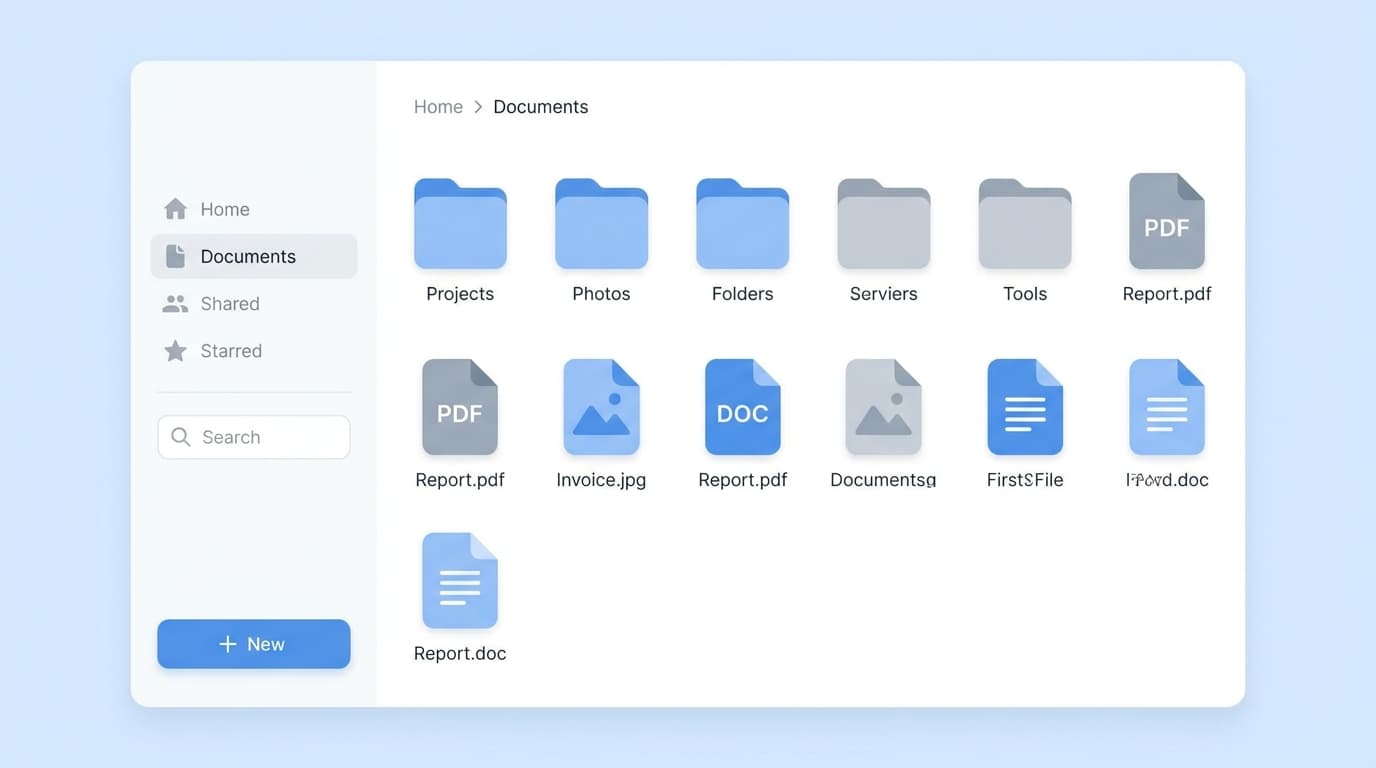
TL;DR: Filemat is a new open-source, self-hosted web file manager designed for simple setup. Its key feature is filesystem-wide permissions, unlike apps that restrict permissions to a single folder. The tool is currently in beta and the creator is seeking feedback from the developer community on GitHub.
Key facts
- Category
- Infrastructure
- Impact
- Low
- Published
- Source
- Hacker News
Full summary
Filemat is a new open-source, self-hosted web file manager with a simple setup and filesystem-wide permissions, currently available in beta.
A new open-source tool called Filemat has been released in beta, offering a self-hosted, web-based file manager. The project was created to address a common limitation in similar applications: file permissions. Unlike many web managers that operate within a specific, sandboxed folder, Filemat is designed to work with permissions across the entire filesystem. This allows it to respect and manage the native permissions of any file or folder on the server. The developer emphasized a simple setup process as a core goal for the project and is currently seeking community feedback to guide its development.
For developers, IT teams, and system administrators, Filemat offers a potentially more flexible way to manage server files through a web interface. The filesystem-wide permission model could simplify tasks that typically require direct SSH access, such as editing configuration files, managing logs, or organizing user data in various locations. This approach avoids the security and usability issues that can arise when a web application imposes its own permission layer on top of the operating system's, providing a more integrated and predictable management experience for self-hosted environments.
As an open-source project in its early stages, Filemat's future development will likely be shaped by user contributions and feedback. Its focus on simplicity and core permission handling makes it a noteworthy utility for teams looking for lightweight, transparent tools to manage their infrastructure. Organizations that rely on self-hosted solutions may find it a valuable alternative to more complex or restrictive file management systems as it matures beyond its beta phase.
Why it matters
Filemat's approach to filesystem-wide permissions in a web-based manager could simplify server administration, offering a more integrated and flexible alternative to tools that operate in sandboxed folders. This is useful for developers and IT teams managing self-hosted infrastructure.
Business impact
For businesses using self-hosted servers, Filemat provides a free, open-source tool that can streamline file management tasks, potentially reducing administrative overhead. Its respect for native system permissions can also enhance security and operational consistency, avoiding conflicts with existing access control policies.
Tags
Related on Notifire
Related stories
Primary source: Hacker News