Managing The Human Side of Incidents
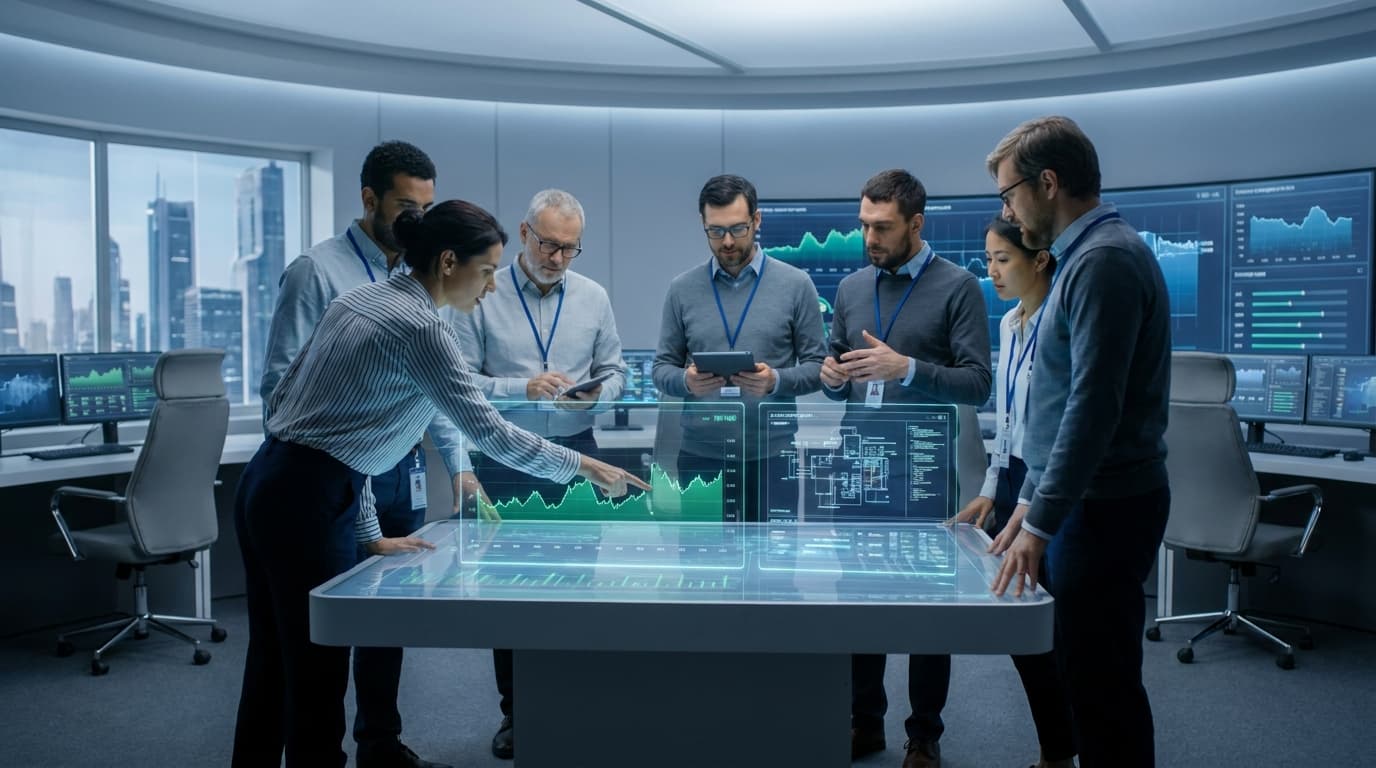
TL;DR: Kyle Lexmond from InfoQ explains the human cost of severe production outages. He shares operational strategies for managing high-pressure incidents, emphasizing the difference between immediate mitigation and root-cause analysis, overcoming cognitive overload, and building blameless cultures for faster recovery.
Key facts
- Category
- Infrastructure
- Impact
- High
- Published
- Source
- InfoQ
Full summary
A look at the human cost of production outages and strategies for managing cognitive overload, building blameless cultures, and enabling faster recovery.
In a presentation for InfoQ, Kyle Lexmond addressed the significant human impact of severe production outages. Drawing from personal experience in high-pressure incident rooms, he outlined practical strategies for technical teams. A central theme was the critical distinction between immediate incident mitigation—stopping the problem—and the separate, later process of root-cause analysis. Lexmond argued that trying to do both simultaneously often leads to cognitive overload and slower resolution times. He emphasized that the primary goal during an active incident is to restore service as quickly as possible, not to find the ultimate source of the problem.
These insights are crucial for CTOs, developers, and IT teams responsible for maintaining system reliability. The traditional "war room" approach can lead to burnout, fear, and slower problem-solving. By adopting strategies to manage cognitive load and fostering a blameless culture, organizations can improve both team well-being and system resilience. A blameless environment encourages engineers to share information openly without fear of punishment, which is essential for rapid diagnosis and learning from failures. Ultimately, optimizing systems for faster recovery prepares teams to handle inevitable incidents more effectively.
Tags
Related on Notifire
Related stories
Primary source: InfoQ