Source: Hindustan Times
Jaguar, the British luxury carmaker owned by Tata Motors, has always been a symbol of elegance, performance, and British automotive craftsmanship. However, a shocking development has recently shaken the automotive world: Jaguar has stopped selling new cars in the UK, its home country. For a brand deeply rooted in British history and known for its automotive excellence, this decision has raised numerous questions about the future of the iconic marque.
In this blog post, we will dive deep into the reasons behind this decision, what it means for the brand, and what the future holds for Jaguar under the ownership of Tata Motors.
Background of Jaguar’s Legacy
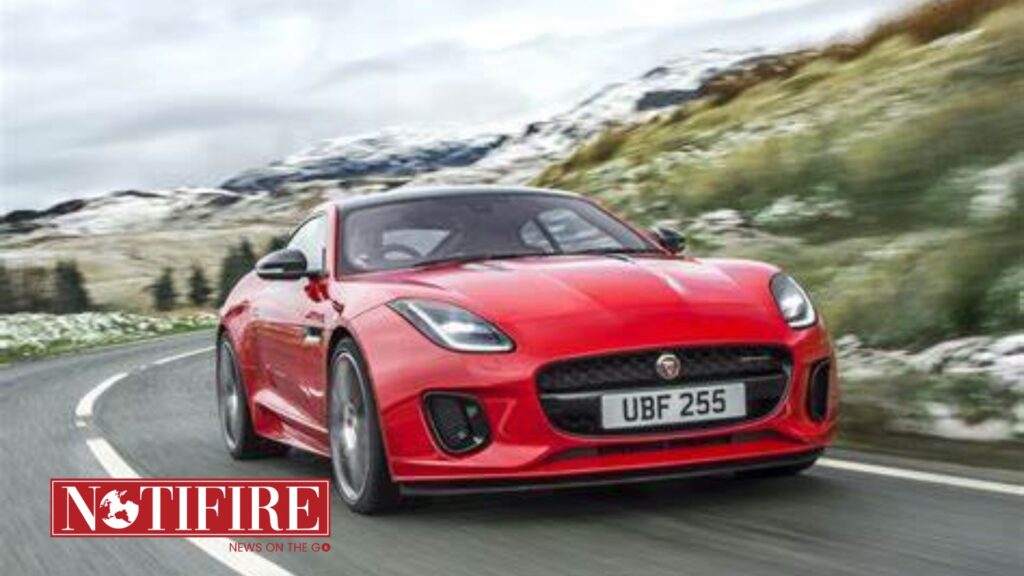
Founded in 1922, Jaguar has long been a prestigious name in the automotive industry. Known for producing some of the most iconic models in history, such as the E-Type, XJ, and more recently the F-Type and I-Pace, the company has always represented British engineering and design at its best.
However, despite this proud legacy, the brand has faced numerous challenges in recent years. Like many traditional carmakers, Jaguar has struggled to adapt quickly to the changing dynamics of the automotive market, especially the shift towards electrification and stricter environmental regulations.
Why Did Jaguar Stop Selling New Cars in the UK?
The decision for Jaguar to halt new car sales in the UK is primarily driven by several key factors:
1. Electrification Strategy
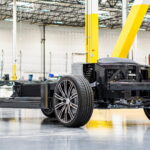
One of the most significant reasons for this move is Jaguar’s transition to an all-electric future. Jaguar has publicly committed to becoming an all-electric brand by 2025. This ambitious goal is part of Tata Motors’ and Jaguar Land Rover’s (JLR) broader strategy to embrace sustainable mobility solutions and reduce their carbon footprint.
The transition to electric vehicles (EVs) requires massive retooling of manufacturing plants, development of new models, and adjustments to the supply chain. Jaguar’s existing petrol and diesel models will be phased out as the company gears up for its electric future. Stopping new car sales in the UK is a necessary step to ensure a smooth transition to EV-only production lines.
2. Repositioning the Brand
Jaguar has been struggling with its brand positioning in recent years. The competition in the luxury car segment, especially from German brands like BMW, Audi, and Mercedes-Benz, has been fierce. Jaguar’s models, while premium, have not been able to match the sales volumes of their competitors.
In light of this, Tata Motors and JLR have decided to reposition Jaguar as a more exclusive, high-end electric luxury brand. By stopping new car sales in its home country, Jaguar is signalling a reset in its market strategy. The brand is preparing for a relaunch that will focus on fewer but more luxurious electric models, targeted at a more niche audience.
3. Supply Chain Disruptions
Another factor contributing to Jaguar’s decision is the ongoing global supply chain crisis. The automotive industry has been severely impacted by shortages of crucial components like semiconductors, which are essential for modern vehicles.
For Jaguar, this has resulted in production delays and inventory shortages. Instead of continuing to sell new cars in a market where demand cannot be met due to these disruptions, Jaguar has decided to pause its UK sales. This move allows the company to better manage its resources and focus on delivering quality products when the supply chain stabilizes.
4. UK Market Challenges
The UK automotive market has become increasingly challenging for traditional carmakers like Jaguar. Stricter environmental regulations, including the upcoming ban on new petrol and diesel cars by 2030, have forced manufacturers to accelerate their shift to electrification.
Additionally, the rising costs of production, combined with economic uncertainty and changing consumer preferences, have made it difficult for premium brands to maintain profitability in their home market. Jaguar’s decision to stop selling new cars in the UK is a reflection of these broader market challenges.
5. Focus on International Markets
Jaguar’s decision to halt new car sales in the UK does not mean the brand is disappearing entirely. In fact, Jaguar is likely to focus more on international markets, especially those with growing demand for luxury electric vehicles. Markets like China, the US, and parts of Europe offer significant growth potential for premium EV brands.
Tata Motors and JLR are likely shifting their attention to these regions as they prepare to launch Jaguar’s new line of electric vehicles. The global automotive landscape is changing, and Jaguar’s focus on international expansion will be key to its future success.
What Does This Mean for the Future?
While stopping new car sales in the UK is a significant decision, it does not spell the end. In fact, it could mark the beginning of a new chapter for the brand. With Tata Motors’ backing, Jaguar has the resources and the ambition to reinvent itself as a leading player in the luxury EV market.
The all-electric transformation is expected to bring about a range of new models that will redefine the brand’s identity. These vehicles will likely offer cutting-edge technology, sustainable luxury, and the distinctive design that this automotive maker is known for.
Focus on Electric Vehicles (EVs)
Jaguar’s commitment to becoming an all-electric brand by 2025 means that the company will be fully focused on developing high-performance electric cars. The success of models like the I-Pace, which was itss first fully electric SUV, shows that the brand is capable of producing world-class EVs.
The upcoming lineup of electric vehicles is expected to feature advancements in battery technology, range, and charging infrastructure. These vehicles will cater to the growing demand for sustainable luxury in both established and emerging markets.
Exclusive, High-End Luxury
As part of its repositioning strategy, the brand is likely to scale back its production volumes and focus on creating more exclusive, high-end models. By doing so, it will compete with the likes of Tesla, Lucid Motors, and other luxury EV manufacturers dominating the premium segment.
This shift will also allow the brand to differentiate itself from its sibling, Land Rover, which focuses on luxury SUVs.
The decision to stop selling new cars in the UK is undoubtedly a bold move, but it reflects the broader trends shaping the future of the automotive industry. With its sights set on becoming an all-electric brand, the company is preparing for a major transformation that will redefine its place in the market.
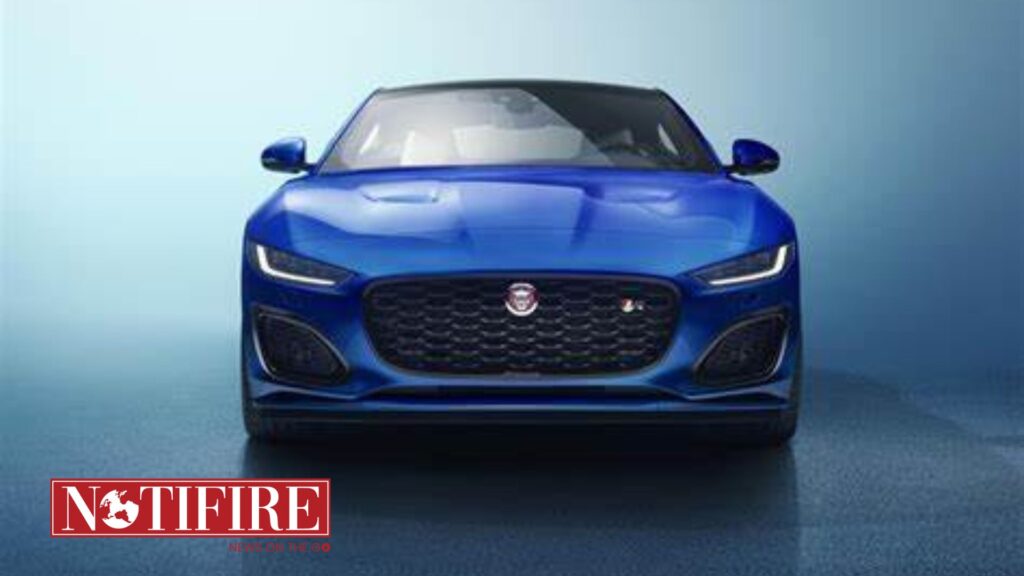
While the transition may be challenging, its commitment to electrification, coupled with Tata Motors’ support, positions the brand for a strong comeback on the global stage. As the world moves towards a sustainable future, its electric vehicles could once again make it a pioneer in the luxury car industry.
Follow for more updates.