The Japan stock market crash has shaken global markets as the Tokyo Stock Exchange halted trading on the Nikkei 225 and Topix indices. This rare move was triggered by a sharp and sudden sell-off, forcing circuit breakers to activate. As a result, trading was temporarily suspended to prevent further panic and maintain market stability.
Here’s a look at what caused this dramatic event, how it unfolded, and what investors should expect next.
What Is a Circuit Breaker and Why Was It Triggered?
Circuit breakers are automatic mechanisms that temporarily pause trading when a market drops too quickly within a short time frame. They are designed to give investors a breather, avoid panic-driven decisions, and allow time for news and data to be absorbed.
In this case, the Japan stock market crash set off these emergency stops after both major indices tumbled beyond acceptable thresholds.
More about circuit breakers: Investopedia – Circuit Breaker Definition
How Much Did the Nikkei 225 and Topix Drop?
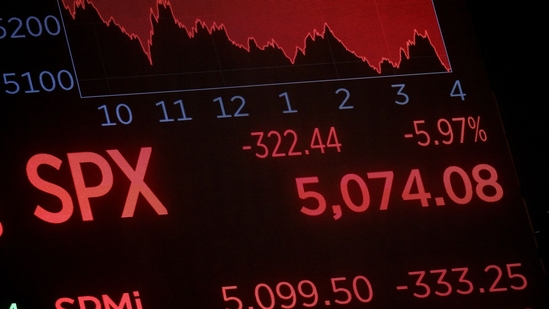
During the crash, the Nikkei 225 fell by over 6.3%, while the Topix dropped around 5.9%. These are among the steepest single-day declines seen in recent years. The sharpness of the drop triggered level-one circuit breakers, halting trading and putting the spotlight on market fears.
This level of decline reinforces just how serious the Japan stock market crash was, even by international standards.
What This Means for Investors and the Market
This event has created immediate uncertainty, especially for foreign investors with exposure to Japanese equities. The crash suggests that there are deeper concerns at play—possibly tied to global economic trends, domestic monetary policy, or geopolitical developments in the region.
For long-term investors, this could present buying opportunities once the dust settles. However, short-term traders may need to remain cautious as volatility could persist in the days following the Japan stock market crash.
Has This Happened in Japan Before?
While circuit breakers are a common feature in global stock markets, they are rarely triggered in Japan. Notable past events include the 2008 financial crisis and early days of the COVID-19 pandemic in 2020. These historical comparisons help frame the current Japan stock market crash as a highly unusual event.
It reflects a sudden loss of investor confidence and a fast-moving sell-off that overwhelmed normal trading activity.
What to Expect in the Coming Days of Trading
Following the Japan stock market crash, analysts expect continued volatility as the markets digest this shock. Investors will be closely watching the Bank of Japan’s response, corporate earnings, and any signs of global contagion. Depending on how sentiment shifts, there could be a sharp rebound—or further downside movement.
For an updated market response, visit Nikkei Asia – Markets
Caution, discipline, and diversification are key during these times. Traders may look for technical rebounds, while institutional investors assess long-term positioning.
Final Thoughts
The Japan stock market crash is a reminder that even the most stable markets can face sudden shocks. For global investors, it’s important to stay informed, not overreact, and keep a clear strategy in place.
This event may be temporary, but its effects could ripple across sectors and countries. Whether you’re watching from abroad or have assets in Japan, this is a critical time to pay attention.
Follow us for more insights