Jay Shah, the Secretary of the Board of Control for Cricket in India (BCCI), is widely expected to become the next Chairman of the International Cricket Council (ICC). This comes after Greg Barclay, the current ICC Chairman, announced he would not seek a third term, stepping down at the end of November 2024. Shah, who has received backing from several prominent cricket boards, including those of England and Australia, is likely to be elected as the new chairman if no other candidates emerge with significant support.
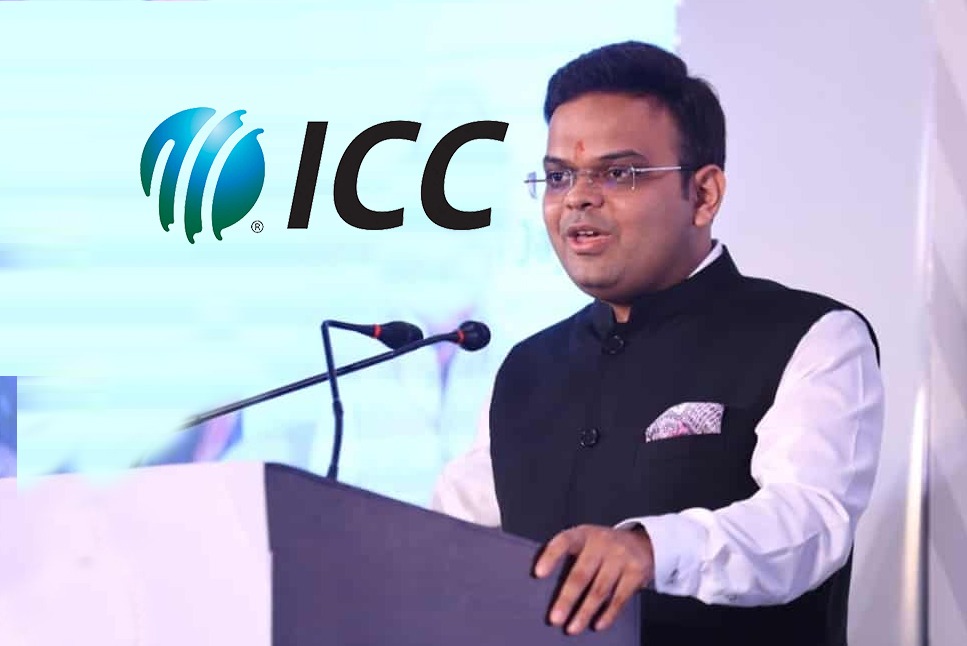
The Context of Shah’s Candidacy
Greg Barclay, who has been serving as the ICC Chairman since November 2020, recently decided against pursuing another term. His decision opens the door for a leadership change at the ICC, the global governing body for cricket. Barclay’s tenure was marked by significant challenges, including navigating the sport through the COVID-19 pandemic and dealing with various geopolitical tensions affecting the game.
Jay Shah’s rise within the BCCI has been rapid and notable. As the son of Amit Shah, a prominent political figure in India, he has wielded considerable influence within Indian cricket. His leadership has seen India secure significant broadcasting deals and develop a robust domestic and international cricket calendar. His strategic acumen and strong connections have positioned him as a leading candidate for the ICC chairmanship.
Potential Impact on International Cricket
If elected, Shah would become the youngest chairman in ICC history at just 35 years old, following in the footsteps of previous Indian ICC chiefs such as Jagmohan Dalmiya and Sharad Pawar. His potential leadership comes at a pivotal moment for international cricket. One of the immediate challenges he could face is navigating the complexities surrounding the 2025 Champions Trophy, scheduled to be held in Pakistan. Given the current geopolitical tensions between India and Pakistan, Shah’s role could be crucial in determining whether India will participate in the tournament.
Shah’s election could also signify a shift in power dynamics within the ICC. With backing from major cricketing nations, his chairmanship could lead to a more India-centric approach in ICC policies and decisions. This could impact everything from the Future Tours Programme (FTP) to revenue-sharing models and governance structures within the ICC. It might also influence how the ICC handles bilateral series, particularly those involving India and Pakistan, which have been sporadic due to political tensions.
Reactions from the Cricketing World
The prospect of Shah’s leadership has garnered mixed reactions. Supporters argue that Shah’s dynamic approach and vision could bring much-needed modernization and commercial savvy to the ICC. His tenure could see the expansion of cricket into new markets and the strengthening of existing competitions. Shah’s backers believe that his leadership could bring about a more unified and commercially viable global cricket structure.
However, there are concerns too. Critics argue that Shah’s appointment could further tilt the balance of power towards India, potentially marginalizing smaller cricketing nations. The fear is that his leadership could prioritize the interests of major cricketing boards, particularly the “Big Three” – India, England, and Australia – at the expense of a more equitable and inclusive global cricket governance.
The Road Ahead
As the ICC prepares for a leadership change, the cricketing world will be watching closely to see how Shah navigates these challenges if elected. The nomination process for the new ICC chairman requires candidates to receive at least 51% of the votes from the 16-member ICC board. With nominations closing on August 27, 2024, and if Shah secures the necessary support, his chairmanship would begin on December 1, 2024.
In conclusion, Jay Shah’s likely ascension to the role of ICC Chairman marks a potentially transformative period for international cricket. Whether this transformation will be positive or negative depends on how Shah balances the diverse interests of cricketing nations and manages the intricate geopolitical landscape of the sport. His leadership will undoubtedly shape the future of cricket, both on and off the field.