Source: Money Control
India’s economic rise is a story that’s hard to ignore. As the world changes and economies evolve, stepping into a larger, more influential role on the global stage. According to KV Kamath, a well-known Indian banker and economist, India is set to be a key player in the global economy for years to come. This insight reflects the country’s rapid growth and increasing importance in shaping global economic trends.
So, why does India matter so much? What’s driving this incredible growth? And why is it going to be so vital for the world? Let’s take a closer look.
India’s Economic Growth: The Big Picture
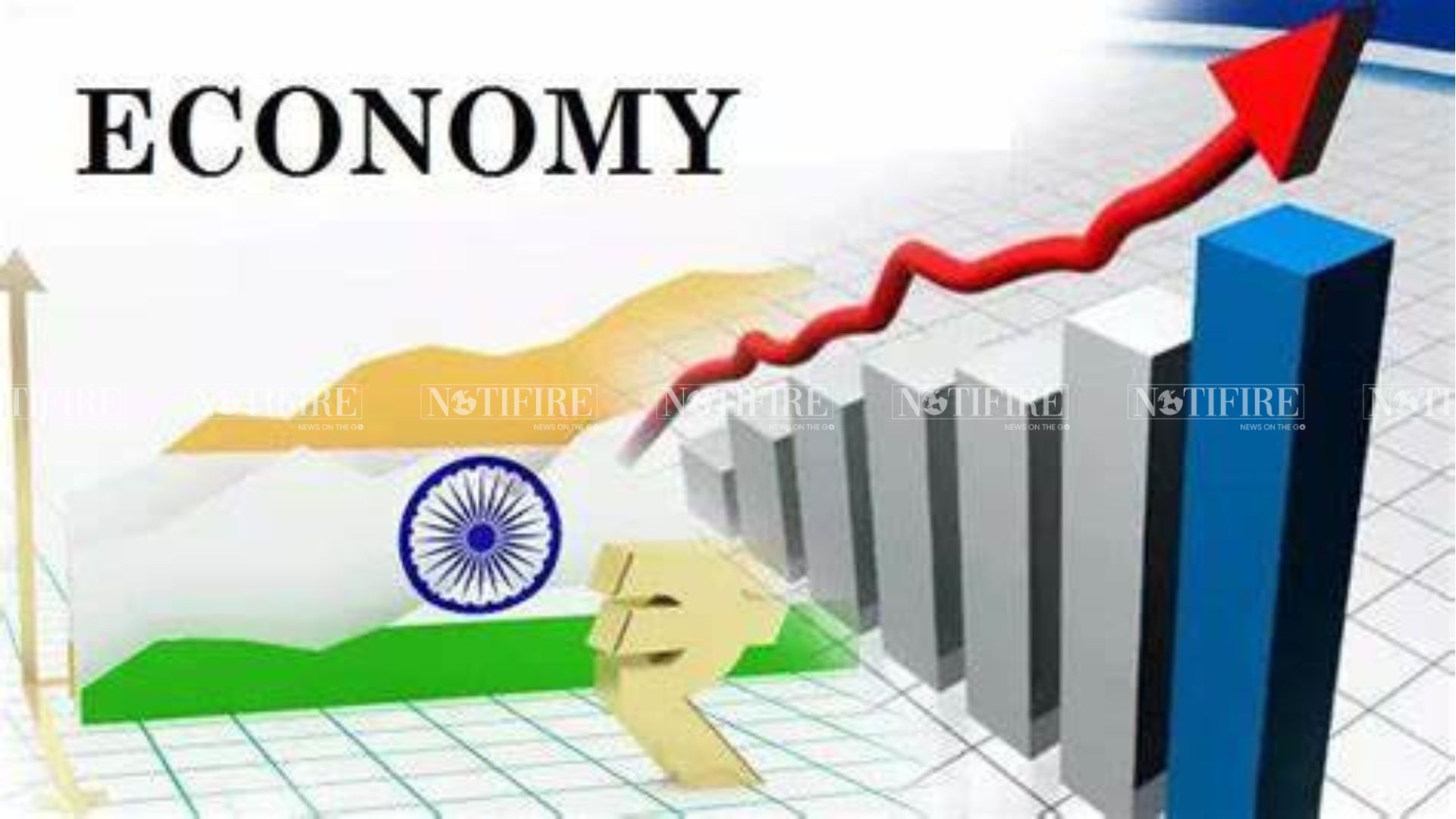
India is no longer just an emerging economy—it’s becoming a global powerhouse. The country has been on an upward trajectory for years, with a GDP of around $3.7 trillion as of 2024, making it one of the largest economies in the world. As a developing country, its rapid growth has made it one of the most exciting markets to watch, not just for its own people but for the world at large.
What sets India apart is its sheer scale. With over 1.4 billion people, it’s a massive domestic market in itself. This is coupled with a growing middle class and an expanding pool of talented professionals that make it an attractive hub for investment, technology, and trade. This growth isn’t just benefiting India—it’s also creating ripples across the globe, impacting everything from supply chains to international markets. By 2030, India is projected to become the world’s third-largest economy, surpassing even Japan and Germany.
What’s Driving India’s Economic Rise?
1. A Young and Dynamic Workforce
One of the biggest advantages is its young population. With more than 60% of the population under the age of 35, India is home to one of the youngest workforces in the world. This demographic advantage presents immense opportunities—both for the country and the world. A younger workforce is more adaptable, willing to embrace new technologies, and keen to explore entrepreneurial ventures. India’s growing number of skilled professionals, especially in fields like IT, engineering, and healthcare, is helping the country make significant strides toward becoming a knowledge-driven economy.
2. Technology and Innovation at the Core
India’s technology sector is a true success story. Over the past few decades, it has become a global leader in software development, IT services, and business outsourcing. The country is also quickly making strides in emerging fields like artificial intelligence (AI), blockchain, and digital finance. The rise of Indian tech giants like Infosys, Tata Consultancy Services (TCS), and Wipro has not only solidified its position in global IT but also transformed it into a startup hub, with Silicon Valley increasingly looking to India for innovative solutions.
India’s push for digital transformation, led by government initiatives like Digital India, has fueled growth across various sectors, such as e-commerce, fintech, and telemedicine. This tech-driven growth is not just improving domestic industries but also making India a major player in the global tech space.
3. Infrastructure Growth
India is rapidly modernizing its infrastructure, an essential factor in supporting its growing economy. The country is investing heavily in transportation, energy, and urban development. Projects like the construction of new highways, smart cities, and the expansion of airports are laying the groundwork for continued economic expansion. In addition, the Make in India initiative, which aims to turn India into a global manufacturing hub, has attracted foreign direct investment (FDI) in a variety of sectors.
These infrastructure investments are creating millions of jobs and also positioning India as a critical player in global supply chains, especially as businesses look to diversify away from over-reliance on China.
4. Sustainability and Green Growth
Sustainability is becoming a key pillar of India’s economic strategy. The country is making significant investments in renewable energy, including solar and wind power, to meet its climate targets. As the world pivots toward green energy, India is positioning itself as a leader in this space. With the rise of electric vehicles, green building technologies, and sustainable agriculture, the green economy is creating new growth areas. India’s push for sustainability is helping the country contribute to global climate solutions while also unlocking new economic opportunities in the clean energy sector.
India’s Impact on the Global Economy
India’s economic growth is not just about India itself—it has a significant impact on the global economy. As a major market, India is an increasingly important trade partner for countries around the world. With its large, young population and expanding middle class, India represents an enormous consumer market that attracts global companies looking for new growth avenues.
India is also a crucial player in global institutions. As a member of groups like the G20 and BRICS (Brazil, Russia, India, China, South Africa), the country is actively shaping policies that influence international trade, technology, and climate change. Moreover, India’s participation in global supply chains—especially in sectors like pharmaceuticals, textiles, and IT—means that its economic health directly impacts markets worldwide.
Additionally, the Indian diaspora is helping strengthen economic and cultural ties around the world. Indian entrepreneurs and professionals have made their mark in countries like the United States, the UK, and the Middle East, creating a strong economic bridge between India and other nations.
Challenges and Future Opportunities
India’s path to becoming an economic powerhouse isn’t without challenges. Issues like income inequality, infrastructure gaps, and regional disparities remain significant hurdles. Moreover, job creation for its growing youth population and the need for high-quality education and healthcare are still areas that need attention.
However, these challenges also present opportunities for India. By focusing on inclusive development, investing in skill-building, and addressing sustainability issues, India can create an economy that benefits everyone. With the right policies, India has the potential to not only become a global economic leader but also set a model for inclusive, sustainable growth.
India’s economic future is bright, and KV Kamath’s statement about the country’s importance on the global stage is more than just optimistic—it’s grounded in reality. The combination of a youthful workforce, technological innovation, infrastructure development, and a focus on sustainability will ensure that India’s economic influence continues to grow. As India becomes an even more integral part of the global economy, its impact will be felt across borders, shaping markets, industries, and global policies for years to come. The world is watching—and India’s time has truly arrived.
Follow for more updates.