Source: The Economic Times
The recent Modi-Xi meeting holds significant implications for Indian Electric Vehicle manufacturers, primarily due to the potential influence on future investment opportunities, trade collaborations, and market growth in the EV sector.
The Context of the Meeting
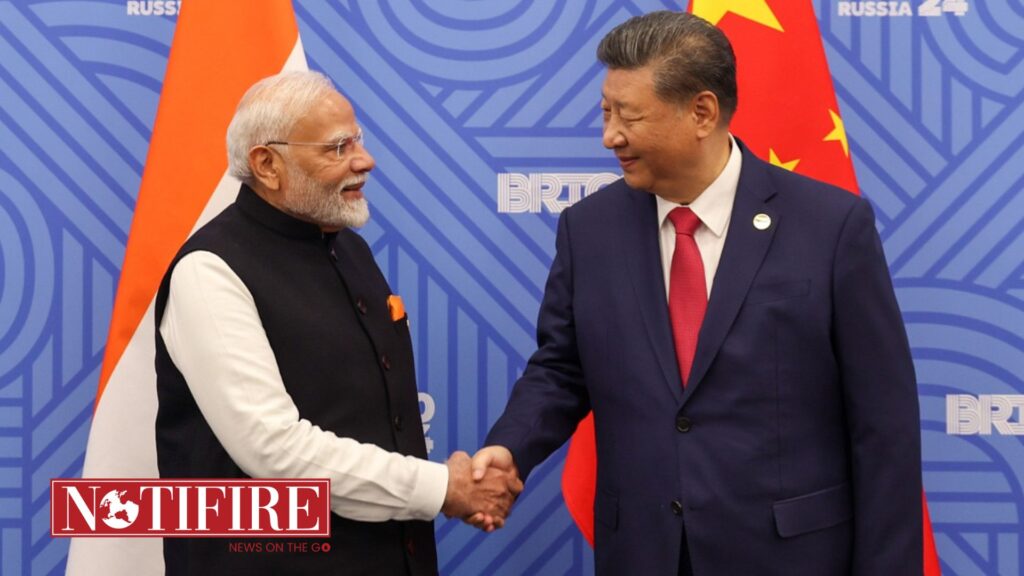
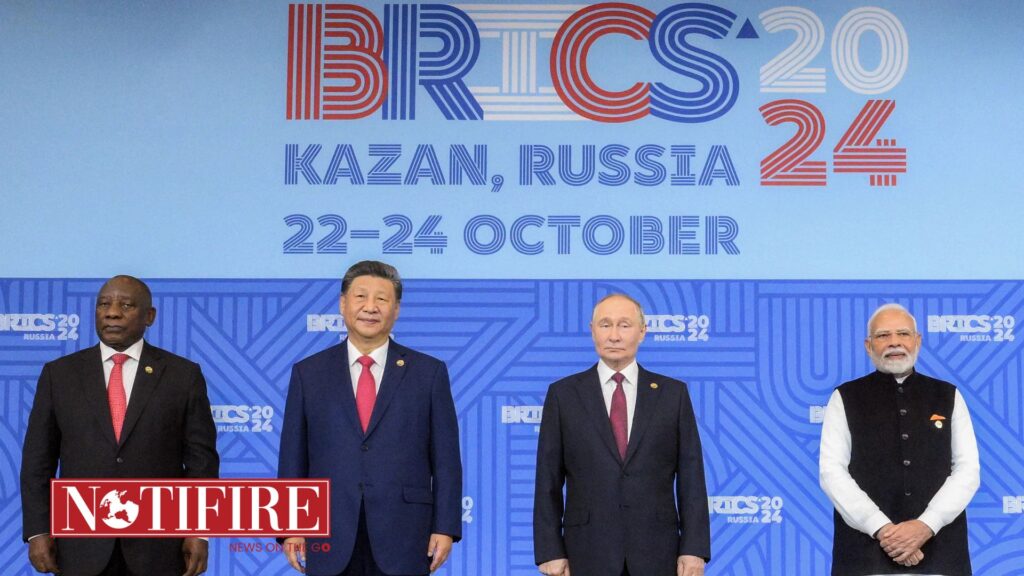
The meeting between Indian Prime Minister Narendra Modi and Chinese President Xi Jinping, during the BRICS summit, is pivotal in easing tensions between the two nations, particularly concerning the border disputes. This improved diplomatic environment may serve as a gateway for enhanced economic cooperation, which is of great interest to the Indian EV industry. China is already a global leader in this technology, battery manufacturing, and supply chains, and this de-escalation could encourage Chinese investments and partnerships in India’s growing EV market.
China’s Role in the Global EV Ecosystem
China is a leading force in the global automotive industry, with its manufacturers and suppliers dominating the market. Companies like BYD have established high standards in battery technology, vehicle design, and cost efficiencies. The Modi-Xi meeting could potentially encourage collaboration between Indian manufacturers and these well-established Chinese firms, offering a strategic advantage to India. This is particularly significant given the increasing global demand for cleaner transportation solutions, where competition from China and other international markets is growing. Strengthening such partnerships could give India an edge in the evolving automotive landscape.
Additionally, as the Indian government continues to push its policies for EV adoption, Chinese investment can bring not only much-needed capital but also expertise in scaling up production capabilities. China’s advanced battery technology could significantly reduce costs for Indian manufacturers, making electric vehicles more affordable and improving their accessibility to a broader range of consumers.
Implications for Indian EV Makers
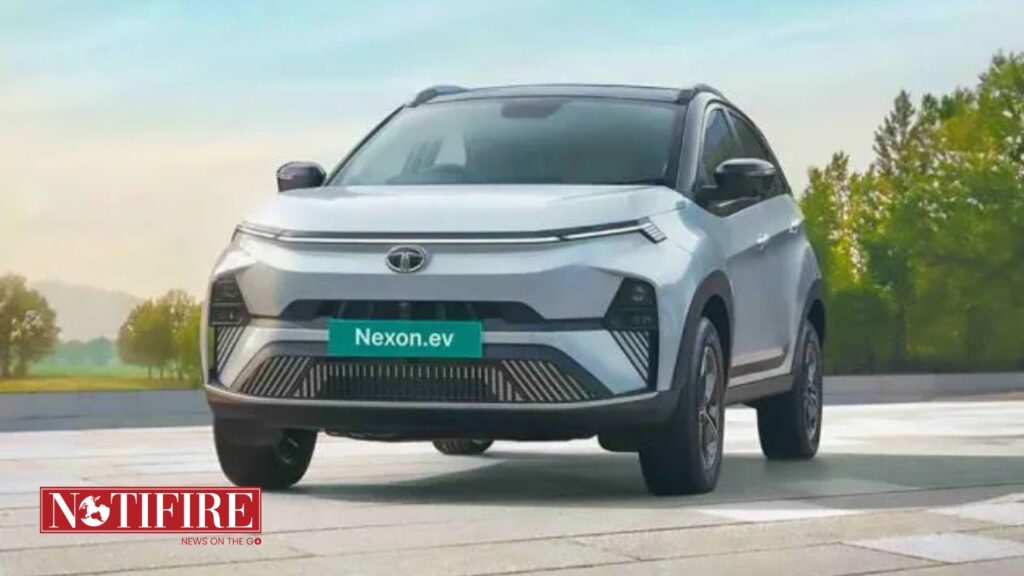
Indian manufacturers, such as Tata Motors and Mahindra Electric, have been investing heavily in developing electric cars and two-wheelers to meet the growing domestic demand. However, India’s EV market is still at an early stage, accounting for just 2% of total vehicle sales in 2023. With the government’s target of 30% by 2030, partnerships with Chinese manufacturers or increased trade facilitation could offer Indian companies access to cheaper components, better technology, and insights into scaling operations. Such cooperation would be critical in reducing production costs and improving the overall viability of the Indian electric vehicles market.
The Modi-Xi meeting might also address issues like battery supply chains, which are crucial for EV production. India still relies on imports for much of its battery components, and collaborating with China could mitigate some of these supply chain challenges. In addition, Chinese companies have an edge in recycling and reusing batteries, which could offer Indian companies a path toward sustainable and cost-effective EV production.
Strategic Benefits for India
Improving relations with China can also help in securing investments for EV infrastructure, which remains a significant bottleneck in India. Charging stations, battery swapping technologies, and grid enhancements are critical for widespread EV adoption. China’s vast experience in building such infrastructure could expedite India’s efforts to create a reliable and efficient ecosystem.
Moreover, global EV players like Tesla have been eyeing the Indian market for years, and improved trade ties between India and China could make India a more attractive manufacturing hub. With Tesla already considering setting up a plant in India and lobbying for reduced import tariffs, a favorable geopolitical climate could encourage other global players to enter the Indian market.
The Modi-Xi meeting highlights how geopolitics can significantly influence economic sectors, including manufacturing. Indian companies should closely monitor the outcomes, as the meeting could open doors for new collaborations, reduce production costs, and foster innovation in the industry. Strategic partnerships could allow India to strengthen its position globally, advancing toward its goals of a more sustainable and technologically driven future in transportation. With the right alliances, India can accelerate progress in key areas of its manufacturing sector and infrastructure development, supporting long-term growth.
Follow for more updates.