Source: Autocar India
In a landmark achievement for the Indian Electric Vehicles market, October 2024 has witnessed ev sales surpassing the 10,000-unit mark for the first time. This significant milestone not only underscores the rapid growth of the EV sector in India but also reflects a broader shift towards sustainable transportation solutions amid increasing environmental concerns.
Surge in EV Popularity
The rise in EV sales is attributed to several factors, including government incentives, growing environmental awareness, and advancements in technology. With a surge of 42% in overall EV sales to 1.67 million units in the fiscal year 2024, as reported earlier, the momentum has been evident throughout the year
The substantial increase in demand for electric two-wheelers and three-wheelers has played a crucial role in this growth. In fact, electric two-wheelers accounted for over half of the total EV sales, with three-wheelers following closely behind
Government Support and Incentives
The Indian government’s support for EV adoption has been pivotal. Initiatives such as the Faster Adoption and Manufacturing of Hybrid and Electric Vehicles (FAME) scheme and the newly introduced Electric Mobility Promotion Scheme (EMPS) have provided significant financial incentives for buyers. These initiatives have made EVs more accessible and affordable, encouraging consumers to make the switch from traditional combustion-engine vehicles
Growing Charging Infrastructure
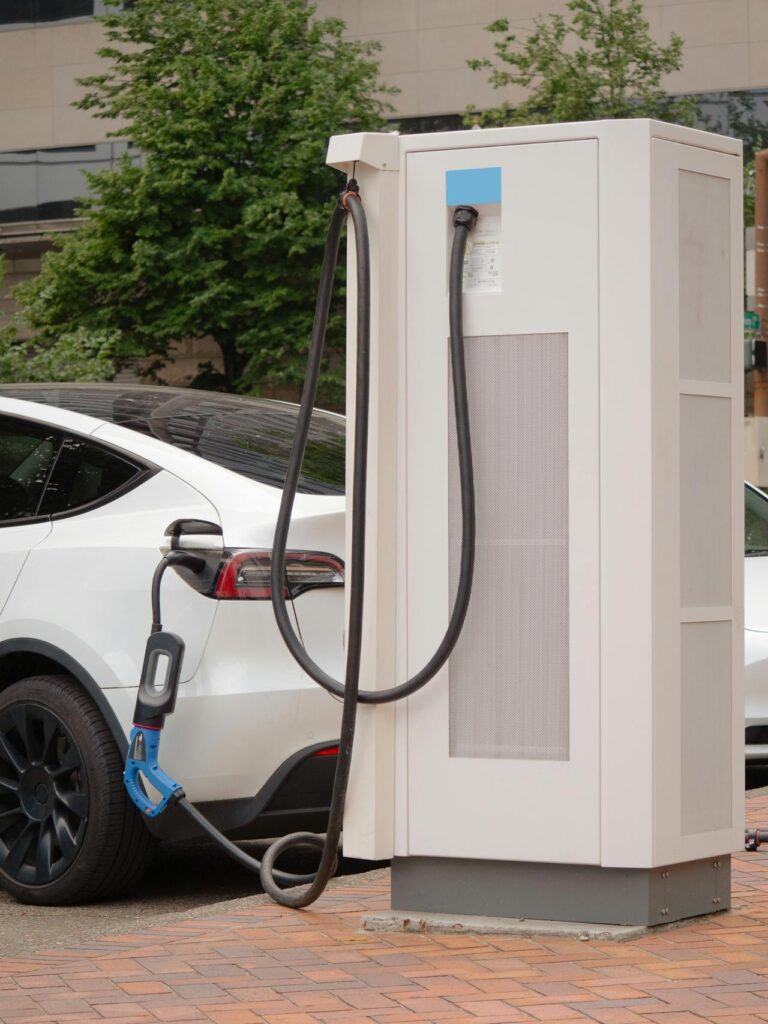
Another critical factor contributing to the growth of EV sales is the expanding charging infrastructure across the country. With more charging stations being established, potential buyers feel more confident in transitioning to electric vehicles, knowing they have convenient options for recharging. Major automakers are also investing heavily in charging solutions to facilitate the widespread adoption of EVs
Market Dynamics and Consumer Preferences
The market dynamics have shifted as consumers become more conscious of the environmental impact of their transportation choices. The increasing availability of various EV models catering to different price points and preferences has also contributed to this shift. From two-wheelers to passenger cars, the Indian market is witnessing a diverse range of electric vehicles, which appeals to a broader audience
The Road Ahead
As the industry looks forward, the Indian government aims for EVs to constitute a significant percentage of vehicle sales by 2030, targeting 30% for passenger vehicles and 70% for commercial vehicles. This ambitious goal highlights the government’s commitment to promoting sustainable mobility as a solution to the country’s pressing air pollution problems
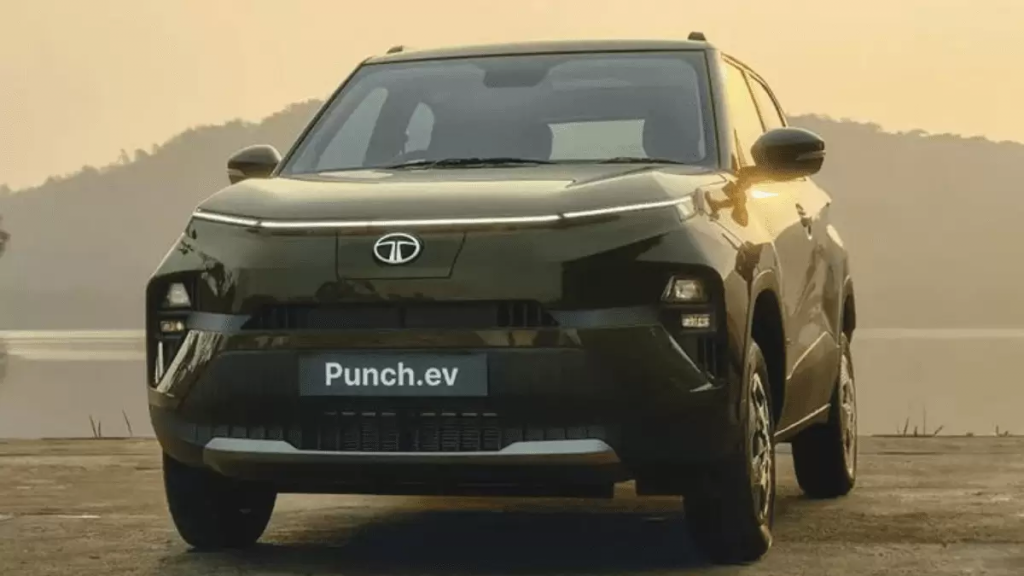
The achievement of surpassing 10,000 EV sales in October 2024 is just the beginning. With robust growth predicted for the coming years, the EV market in India is set to thrive as both manufacturers and consumers embrace electric mobility. Major players in the automotive sector, including Tata Motors and Hyundai, are ramping up their EV offerings, thus ensuring that the trend is not just a temporary spike but a sustained movement towards an eco-friendly future.
Conclusion
The crossing of the 10,000-unit sales milestone in October 2024 represents a crucial step in India’s transition towards electric mobility. As the landscape continues to evolve, the combination of government support, expanding infrastructure, and increasing consumer awareness will be instrumental in shaping a sustainable automotive future in India. The road ahead is filled with potential, and as we drive towards this electrifying journey, the focus remains on enhancing efficiency, accessibility, and sustainability in transportation.
Follow for more updates.