Digital Clues Link Pahalgam Terror Attack to Pakistan
Investigators found digital footprints connecting the Pahalgam Terror attack to networks in Pakistan. Evidence points to locations like Muzaffarabad and Karachi being involved. This supports claims of cross-border planning and trained attackers.
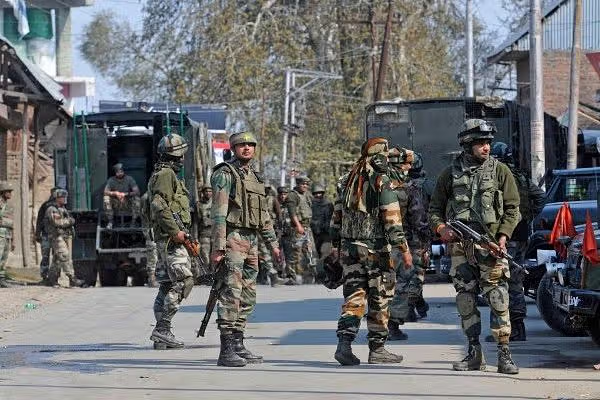
Alarming Digital Evidence Emerges in Pahalgam Terror Attack
In a shocking turn of events, investigators probing the Pahalgam Terror Attack have uncovered damning digital evidence that directly links the assault to terror networks operating from Pakistan. Officials familiar with the ongoing investigation confirm that data trails, intercepted communications, and GPS coordinates have exposed connections to known terrorist safehouses in Muzaffarabad and Karachi.
The Pahalgam Terror Attack, which occurred earlier this month in the serene valley of South Kashmir, left several Indian security personnel injured and stirred nationwide outrage. This brazen assault is now being viewed not just as an isolated event but a premeditated act of cross-border terrorism, orchestrated and supported from across the Line of Control (LoC).
Cyber Forensics Unravel Planning From Across the Border
According to highly placed sources in the Ministry of Home Affairs, encrypted chat logs, VoIP calls, and drone navigation data retrieved from the site of the Pahalgam Terror Attack have pointed to handlers operating in Pakistan. Investigators have traced the origin of several communication signals back to the Rawalpindi-Muzaffarabad corridor, a known hub for extremist training camps.
“We have strong indications that the attackers were remotely guided using GPS-based instructions from across the border,” said an official part of the National Investigation Agency (NIA). “The pattern matches similar tactics used in previous cross-border incidents.”
This revelation amplifies India’s long-standing concerns about the Pakistan link to Kashmir attacks, reinforcing suspicions that terror outfits are being harbored and trained in areas loosely governed by Pakistan’s military-intelligence complex.
Pakistan-Based Safehouses and Recurrent Terror Routes
The recovered devices from the Pahalgam site also contained geotagged images and contact lists linked to addresses in Karachi, Bahawalpur, and Miranshah—cities previously flagged by intelligence agencies for harboring terrorist infrastructure. These locations are believed to be terror safehouses in Pakistan, equipped with advanced communication systems and weapons stockpiles.
Trained Attackers and Tactical Precision
The attackers involved in the Pahalgam Terror Attack displayed a high level of operational training, accuracy, and coordination—clear indicators of military-style preparation. Sources confirm the attackers were not local recruits but foreign-trained militants inserted via infiltration routes often used during ceasefire violations.
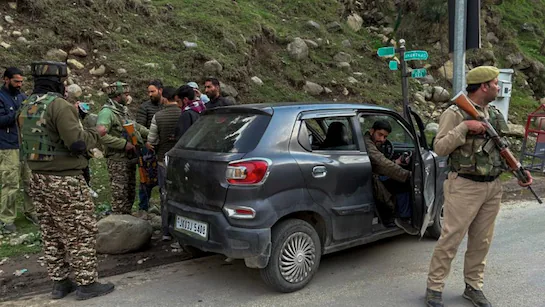
This corroborates the theory of digital evidence in terrorism cases being an increasingly decisive tool. From sim cards registered under fake IDs to usage of dark web forums, every trace analyzed has pieced together the cross-border blueprint behind the attack.
India Calls for Global Accountability
In light of these revelations, Indian authorities have ramped up diplomatic outreach, urging global powers to hold Pakistan accountable for promoting instability in the region. Foreign Minister Dr. S. Jaishankar, while addressing the UN Security Council last week, emphasized the role of digital forensics in unmasking state-backed terrorism.
“We are witnessing the convergence of digital warfare and physical aggression. The Pahalgam Terror Attack is a textbook example of this hybrid threat,” he stated.
In Related Coverage:
- UN Condemns Cross-Border Terrorism After Pahalgam Incident
- Expert Analysis: Why Digital Evidence Is Changing the Face of Counterterrorism
Growing International Pressure
Several Western nations, including the U.S. and France, have backed India’s call for stringent action against entities in Pakistan that finance or facilitate terrorism. The evidence from the Pahalgam Terror Attack has been shared with Interpol and other international security organizations to build a coordinated response.
Conclusion: A Wake-Up Call for Regional Peace
The Pahalgam Terror Attack has not only disrupted the fragile calm in Kashmir but also exposed the urgent need for digital surveillance cooperation among nations. With compelling digital evidence of terrorism emerging, it’s clear that cross-border planning, training, and execution are being enabled in environments like Pakistan’s safehouses.
This attack serves as a grim reminder that unless international mechanisms are strengthened, peace in South Asia will remain elusive. The investigation continues, but one fact is now indisputable—the Pahalgam Terror Attack was not just a regional strike; it was a transnational operation, fuelled by ideology and aided by digital tools.
For more updates stay tuned with Notifire