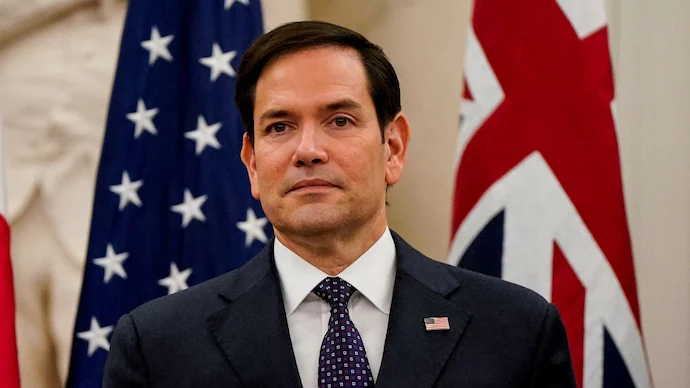
Pakistan Operation Bunyan Ul Marsoos has drawn immediate global attention as tensions soar between India and Pakistan. In response, U.S. Secretary of State Marco Rubio held a high-level conversation with Pakistan’s Army Chief, Gen. Asim Munir, urging restraint and de-escalation.
The timing and intensity of this Pakistan operation suggest calculated military posturing amid increasing hostilities.
Pakistan Operation Launches Amid Border Escalation
Pakistan Operation Bunyan Ul Marsoos was launched by the Pakistani military as a reaction to what it claims are cross-border provocations. The operation includes combined efforts from Pakistan’s army, air force, and intelligence networks.
Key components of the Pak operation:
- Tactical deployment across sensitive zones
- Increased aerial reconnaissance
- Use of precision ground and missile units
While Pakistan labels it as a “defensive maneuver,” strategic experts view it as a bold and possibly escalatory move.
Pakistan Operation Prompts U.S. Call for Restraint
Pakistan Operation’s launch was followed by direct U.S. diplomatic intervention. Marco Rubio, U.S. Secretary of State, contacted Gen. Asim Munir to communicate Washington’s grave concern about the situation.
Rubio emphasized:
- The potential for regional instability
- The need for dialogue over confrontation
- U.S. willingness to mediate peace efforts
This rare, urgent appeal underlines the seriousness of the developing crisis.
Pakistan Operation Reactivates Global Geopolitical Nerves
Pakistan Operation has immediately triggered responses from key global powers:
- United Nations has urged both countries to exercise maximum restraint.
- China and Russia have issued cautious statements favoring dialogue.
- The EU called for an urgent diplomatic framework to prevent escalation.
The naming and launch of the operation reflect Pakistan’s intent to showcase military resolve.
Pakistan Operation Met with India’s Measured Response
Pakistan Operation Bunyan Ul Marsoos was acknowledged by India, with its Ministry of Defence stating that any attempts to destabilize Indian sovereignty will be met with appropriate and proportionate force.
India reaffirmed:
- No intent to initiate conflict
- Full preparedness for any further action
- Support for peace, but not at the cost of national security
India’s strategic restraint sends a clear signal while keeping its defense posture strong.
Pakistan Operation Stirs Market Volatility
Pak Operation has had immediate economic impacts:
- South Asian stock markets dipped amid war fears
- Defense stocks saw sharp fluctuations
- Gold prices surged as investors turned to safe-haven assets
Analysts warn that prolonged tension could affect energy prices and regional trade routes.
Pakistan Operation May Trigger Diplomatic Chain Reaction
Pak Operation could lead to new diplomatic efforts. Sources suggest the U.S. may coordinate with the UAE, Saudi Arabia, and the UN to initiate backchannel talks between India and Pakistan.
Possible diplomatic actions:
- Emergency meeting of the UN Security Council
- Multilateral dialogue hosted by a neutral nation
- Third-party mediation involving allies of both countries
The goal is to avoid a repeat of past escalations that nearly led to direct conflict.
Pak Operation: Historical Context & Strategic Timing
Pakistan Operation is not the first time such moves have heightened tensions. Previous instances include:
- Kargil War (1999)
- Uri surgical strike response (2016)
- Balakot airstrikes (2019)
Each of these events escalated due to provocation, followed by strong military responses. Pakistan Operation 2025 is the latest in this cycle of confrontation and diplomacy.
Conclusion: Pak Operation Demands Caution & Diplomacy
Pak Operation Bunyan Ul Marsoos has added significant pressure to an already volatile border. The urgent call from Marco Rubio signals just how seriously the world views the rising India-Pakistan tension.
While military readiness is at an all-time high, the only way forward that prevents loss and instability is diplomacy. The world is watching—and hoping—that this PaK operation ends in negotiation, not escalation.
Follow us for more insights