40 % found unsafe that’s the alarming figure revealed in a recent nationwide food safety survey focused on paneer quality. According to the findings, not only is paneer adulteration rampant across the country, but a shocking 83% of samples tested showed signs of contamination, and 40 % Found Unsafe for consumption. These findings have triggered widespread concern among health officials, nutritionists, and consumers alike. The detailed report was first highlighted by Republic World, shedding light on a growing public health crisis tied to one of India’s most consumed dairy products.
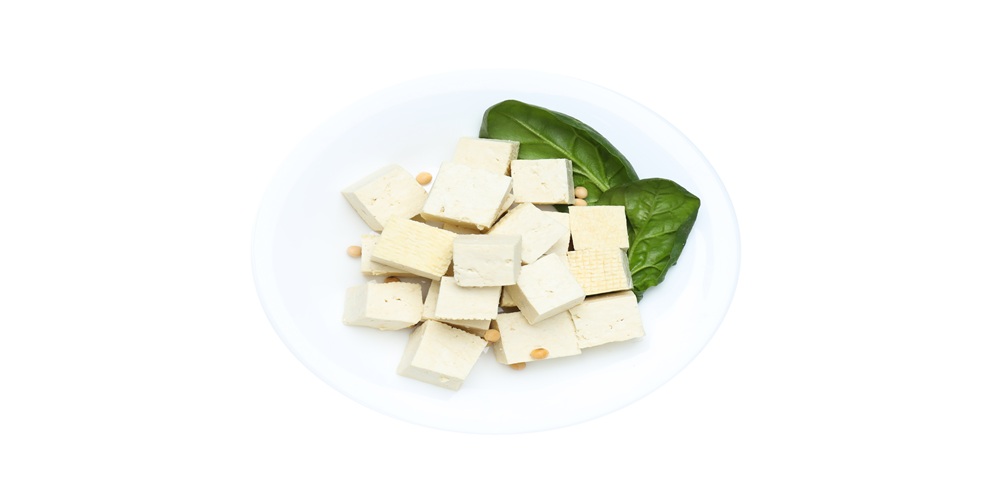
Alarming Rise in Adulterated Paneer
Paneer, or Indian cottage cheese, is a dietary staple for millions, especially vegetarians and fitness enthusiasts. But with adulterated paneer flooding the markets, consumers now face serious health risks. The food safety report revealed that common contaminants included starch, detergent, synthetic milk, and even harmful chemicals like caustic soda.
According to Republic World, the survey involved collecting paneer samples from local dairies, roadside vendors, and popular markets in both urban and rural areas. Of these, 40 % Found unsafe had contamination levels that could cause serious health issues such as food poisoning, kidney damage, and long-term digestive disorders.
Why Is Paneer Being Adulterated?
The increasing demand for paneer has led some unscrupulous producers to cut corners for profits. Using starch or synthetic milk significantly reduces production costs. In many cases, caustic soda and washing powder are added to make the paneer appear fresher and softer. These practices not only compromise food quality but also endanger public health.
Experts have emphasized that the root of the issue lies in the lack of rigorous food safety inspections and poor enforcement of existing regulations. As a result, paneer adulteration continues unchecked in many parts of the country.
What Makes 40 % Found Unsafe So Concerning?
The term 40 % found unsafe doesn’t just refer to mild deviations from food standards—it means that almost half of the paneer samples tested were not fit for human consumption. These samples failed to meet basic hygiene, safety, and quality benchmarks set by food safety authorities. When such a high percentage of a commonly consumed food item is found hazardous, it’s a red flag that calls for urgent action.
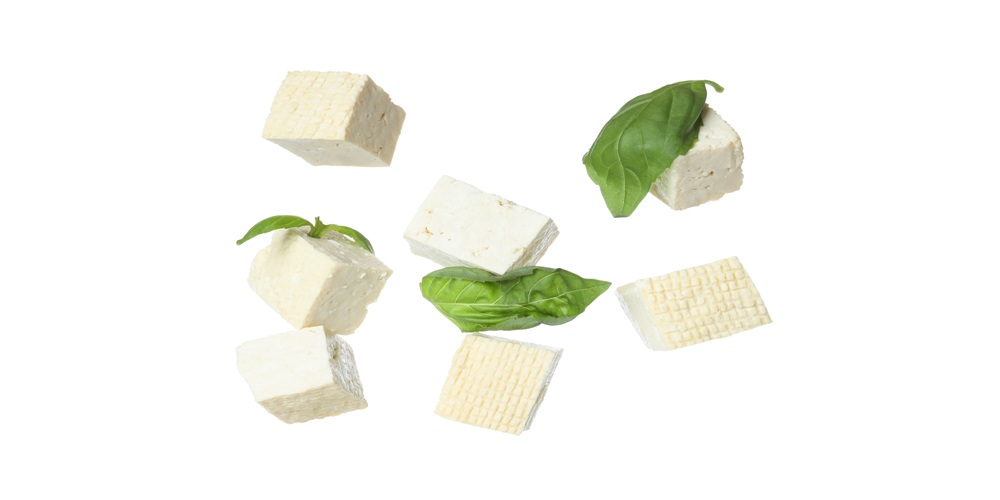
According to Republic World, consuming such adulterated paneer can lead to symptoms like nausea, stomach cramps, diarrhea, and, in the long term, damage to internal organs due to chemical exposure.
Identifying Fake Paneer: Tips for Consumers
With 40 % found unsafe, consumers need to be extra cautious while buying paneer. Here are some ways to identify adulterated paneer:
- Smell Test: Pure paneer has a mild milky aroma. If it smells like chemicals or detergent, it’s likely adulterated.
- Texture Test: Natural paneer is soft and grainy. If it feels rubbery or overly smooth, it may contain synthetic additives.
- Heat Test: When heated, real paneer releases moisture and melts slightly. Fake paneer remains hard or releases froth, indicating the presence of soap or synthetic milk.
- Color Check: Paneer should be white to off-white. Yellowish or overly bright white paneer could be artificially treated.
These basic checks can help consumers steer clear of adulterated paneer and protect themselves from health risks.
Government Response and Need for Action
In response to the found unsafe statistic, several state food authorities have launched inspection drives targeting dairy producers and local vendors. However, experts warn that sporadic inspections are not enough. What’s needed is a more robust, technology-driven monitoring system that tracks quality from production to sale.
Stricter penalties and better awareness campaigns are also essential. Public health experts suggest educating consumers through social media, schools, and local community events about the dangers of paneer adulteration and how to detect it.
What Consumers Can Do
Besides checking for quality, consumers can demand transparency from their vendors. Buying paneer from certified outlets and checking for FSSAI (Food Safety and Standards Authority of India) labels is a good start. When in doubt, it’s safer to make paneer at home using boiled milk and lemon juice or vinegar.
As Republic World rightly points out, food safety is not just a government responsibility—citizens must also play an active role in ensuring what they eat is safe and healthy.
Final Thoughts
The revelation that 40 % found unsafe paneer is being sold across Indian markets is both shocking and unacceptable. It sheds light on the deeper issues of food safety in the country and the urgent need for reform. While consumers can take small steps to test for paneer adulteration at home, it is ultimately the responsibility of food manufacturers and regulators to ensure that only safe, nutritious food is made available.
Stay updated with Notifire for 40 % found unsafe, more breaking health and safety news, and make sure the food you eat is genuinely safe.