In an unexpected and highly unusual diplomatic exchange, Italian President Sergio Mattarella recently told U.S. billionaire Elon Musk to refrain from interfering in Italy’s domestic politics. The controversy began after Musk, a prominent entrepreneur with close ties to Italy’s Prime Minister Giorgia Meloni, publicly criticized Italy’s judiciary over a key anti-immigration initiative spearheaded by the government. Musk’s comments have sparked a wider conversation about the role of foreign influence in national politics, the balance of power between government institutions, and the complexities of immigration law in Europe.
The Controversial Comment
It all started when Musk, known for his unfiltered social media presence, took to X (formerly Twitter) to voice his opinion on a ruling by a panel of Rome-based magistrates. The judges had questioned the legality of an initiative put forth by Meloni’s government aimed at detaining asylum seekers in Albania, a measure designed to curb irregular immigration to Italy.
Musk’s comment was blunt and critical: “These judges need to go.” His words were immediately picked up by the Italian media and sparked a firestorm. The ruling, which involved the transfer of migrants to Albania, had faced legal hurdles. The Italian court ordered that the migrants be brought back to Italy after a panel of judges questioned the legality of the government’s initiative, leaving Meloni’s plan in jeopardy.
Musk’s intervention was seen by many as an unwelcome interference in Italy’s internal affairs, especially coming from a foreign figure with no official position in the Italian government. His comment, however, seemed to be aligned with his close relationship with Prime Minister Meloni, who has faced increasing pressure over her hardline stance on immigration.
Italy’s President Responds
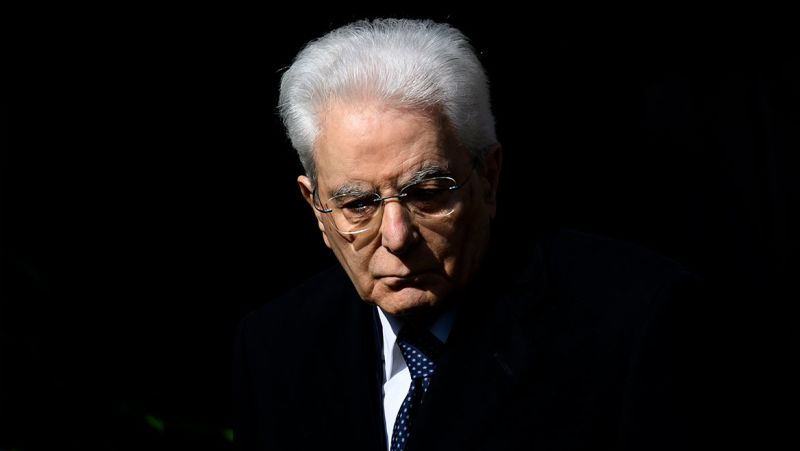
In a rare public rebuke, President Mattarella responded directly to Musk’s comments. “Italy is a great democratic country and knows how to take care of itself,” Mattarella declared, emphasizing Italy’s sovereignty. He went on to explain that anyone holding a position of power in an allied country should respect the sovereignty of other nations and refrain from offering unsolicited advice on internal matters.
Mattarella’s response was a clear reminder of the importance of diplomatic etiquette and the principle of non-interference in the affairs of sovereign nations. The Italian president, who enjoys a high level of respect in Italy, reinforced that foreign figures—no matter how influential—should not overstep when it comes to domestic politics.
Musk’s Response
In his defense, Musk issued a statement through his Italian representative, Andrea Stroppa, expressing “respect” for Italy’s constitution and reaffirming his right to express his opinions freely. Musk clarified that he had spoken with Meloni in a “friendly” phone call and that he had conveyed his views on the matter. Despite the backlash, Musk remained firm in his stance, reiterating his intention to continue expressing his opinions publicly, as is his custom.
Musk’s reaction highlighted his characteristic approach to controversy: an unwavering commitment to speaking his mind, regardless of the diplomatic consequences. It also underscored the complex nature of his relationship with Meloni’s government. While Meloni herself did not comment on Musk’s remarks, her deputy, Matteo Salvini, a prominent leader of the far-right League party, expressed his support for Musk, siding with the billionaire’s criticism of the judiciary.
The Bigger Picture: The Immigration Debate in Europe
At the heart of the controversy is the ongoing debate over immigration policy in Italy and the broader European Union. The Italian government has faced increasing pressure to address the influx of migrants arriving on its shores, many of whom are fleeing conflict and poverty in countries like Libya, Tunisia, and sub-Saharan Africa. In response, Meloni’s government has implemented a range of measures aimed at curbing illegal immigration, including the controversial plan to build detention centers in Albania to process migrants intercepted at sea.
The move to detain asylum seekers in Albania, however, ran into legal obstacles when the European Court of Justice (ECJ) issued a ruling in October. The court determined that no country could be considered “safe” for repatriation if any part of it was deemed dangerous. This ruling raised serious questions about Italy’s ability to deport migrants to countries like Egypt, Tunisia, or Bangladesh, which are considered by Italy to be “safe” for returnees.
The ECJ’s ruling placed Meloni’s government in a difficult position, as it effectively invalidated her plan to repatriate migrants to countries deemed safe under Italian law. This created a legal impasse, leaving the government scrambling to find alternative solutions while facing mounting pressure from the European Union to comply with international human rights standards.
The Role of the Judiciary
The legal challenges to the government’s immigration policies have been compounded by growing tensions between the ruling coalition and Italy’s judiciary. The Italian judiciary has long been a powerful and independent institution, often acting as a check on the government’s power. In this case, the judges in Rome who questioned the legality of Meloni’s immigration policy have become a focal point of criticism from the right-wing government and its allies.
Musk’s comments about the judiciary have to be seen in this context. By suggesting that the judges “need to go,” Musk appeared to align himself with those who argue that the judiciary is standing in the way of the government’s efforts to curb illegal immigration. This sentiment is particularly strong among Meloni’s supporters, who have often criticized Italy’s courts for what they see as an overly lenient approach to immigration.
The situation is further complicated by the fact that the issue of immigration is a deeply polarizing topic in Italian politics. While the ruling coalition, which includes Meloni’s far-right Brothers of Italy party, supports tough measures to reduce immigration, many in Italy’s judicial and civil society sectors are committed to protecting the rights of migrants and ensuring that international law is upheld.
A Diplomatic Tangle
The diplomatic tension between Mattarella and Musk raises important questions about the influence of foreign figures in domestic politics, particularly in the context of the growing populist movement in Europe. Musk’s outspoken views on a range of issues, from technology to politics, have often put him at odds with established institutions, and his comments on Italy’s immigration policies are no exception.
While Musk may have been well-meaning in his support for Meloni’s government, his comments have nonetheless exposed the delicate balance between expressing personal opinions and respecting the sovereignty of other nations. Mattarella’s intervention serves as a reminder that, while foreign leaders and influential figures can offer advice and express their views, they must also respect the autonomy of other countries in managing their internal affairs.
Conclusion: A Lesson in Sovereignty and Respect
The exchange between Elon Musk and President Sergio Mattarella is a reminder of the importance of sovereignty in the world of international diplomacy. While it is not uncommon for foreign figures to comment on the policies of other nations, it is crucial that these comments are made with respect for the country’s political and legal systems. As the situation in Italy continues to unfold, the lesson here is clear: national sovereignty and the independence of the judiciary must always be respected, even by the most powerful and influential individuals in the world.
This episode also highlights the complexities of immigration law in Europe and the challenges facing governments as they navigate the often contentious issue of how to handle migrants and refugees. With the European Court of Justice likely to play a central role in shaping the future of Italy’s immigration policies, the coming months could see further legal challenges and political tensions, making this a story to watch closely.
Follow us for more