A new Garcinia tree species has been discovered in the rich forests of Assam’s Baksa district. The tree, named Garcinia kusumae, belongs to the mangosteen family and is known for its traditional uses in the region. The discovery adds to India’s growing list of rare plant species and highlights the importance of biodiversity in the Northeast.
This newly identified tree is used by locals to prepare cooling summer drinks and may hold medicinal value. It was named by botanist Dr. Jatindra Sarma in honor of his late mother, Kusum Rekha Devi, symbolizing a personal and scientific tribute.
New Garcinia tree species found in Assam forest
The Garcinia kusumae was found in the forests of Manas National Park, which is located in the Baksa district of Assam. This area falls within the Eastern Himalayan biodiversity hotspot and is already home to several endangered and endemic plant species. The new Garcinia tree species was observed by a team led by Dr. Jatindra Sarma, a well-known forest officer and botanist.
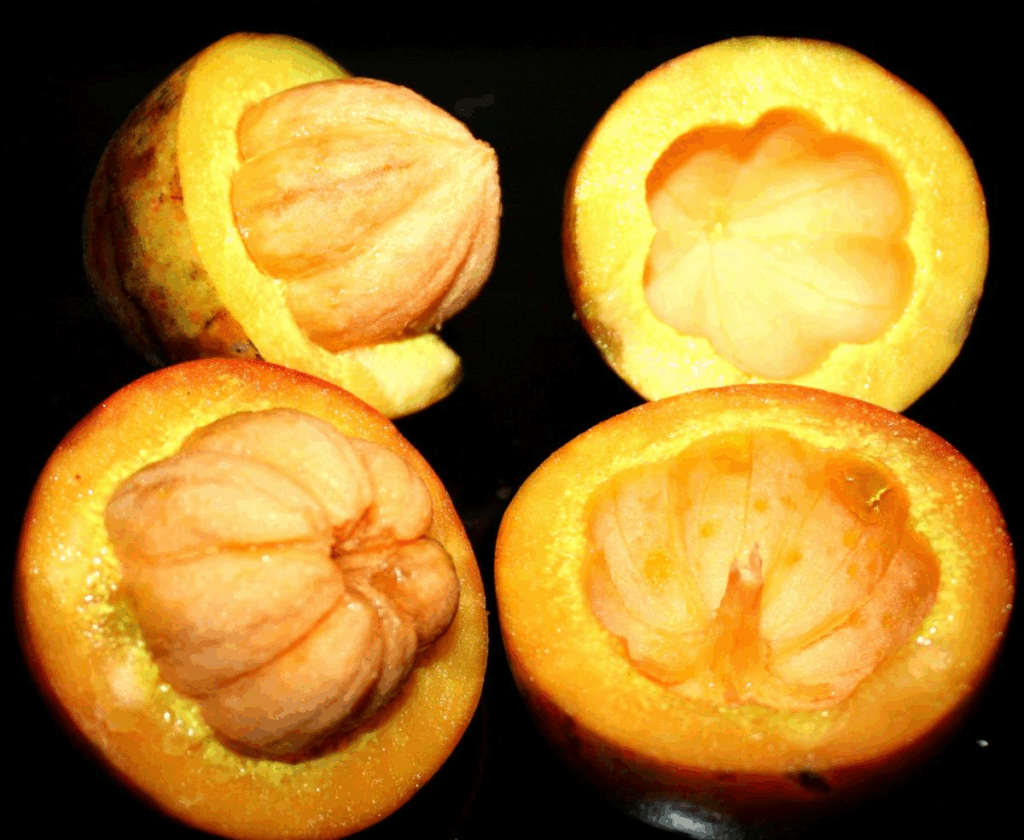
The tree stands out for its bright yellow latex and its reddish fruit pulp, which locals use to make refreshing drinks. Unlike many other Garcinia plants, this species grows in evergreen patches at an altitude of around 200 meters. Its discovery highlights how much remains unexplored in India’s forest regions.
Read more about this scientific discovery on The Hindu.
Garcinia kusumae named in honour of botanist’s mother
Dr. Sarma, the man behind the discovery, named the plant Garcinia kusumae in memory of his mother, Kusum Rekha Devi. This symbolic naming honors the emotional connection between nature and family, a rare occurrence in the world of taxonomy.
The name was officially published in the peer-reviewed journal Rheedea, which specializes in plant taxonomy. This adds academic weight to the discovery and opens the door for further research into the medicinal and ecological value of this Garcinia species.
Assam adds to India’s rich plant biodiversity
With the discovery of this new Garcinia tree species, Assam once again proves to be a biodiversity treasure chest. The Northeastern state is already known for its unique flora and fauna. This latest find brings attention to the rich botanical life that continues to thrive in India’s forest belts.
Experts believe that such discoveries reinforce the urgent need for conservation and sustainable forest management. The presence of unknown species also raises questions about what more might still be hidden in India’s forests.
Species known for traditional medicinal value
Garcinia trees are traditionally used across Asia for their medicinal and culinary properties. The locals in Assam use Garcinia kusumae for making drinks believed to have cooling and digestive effects. These folk remedies underline the need to preserve such plants for cultural and scientific reasons.
Further research could unlock more about the health benefits of this Garcinia tree species, making it important not just for biodiversity, but also for potential modern medicine.
Conclusion:
The discovery of Garcinia kusumae is a proud moment for Indian science and nature lovers alike. As a unique Garcinia tree species, it not only enriches the nation’s biodiversity list but also connects deeply with tradition, family, and conservation.
Stay tunned with Notifire for more updates.