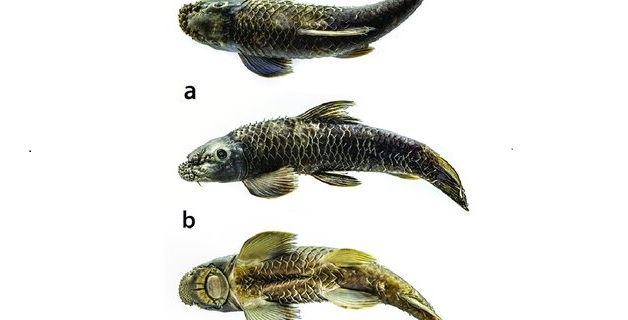
A new freshwater fish species named Garra magnarostrum has been discovered in the Ranga River, a tributary of the Siyom River in the Upper Siang district of Arunachal Pradesh, near the Assam border. This newly identified fish belongs to the Cyprinidae family, which includes carps and minnows, and its discovery adds to India’s growing aquatic biodiversity.
The discovery was made by researchers from the Zoological Survey of India (ZSI) who were conducting a biodiversity survey in the Northeast. The finding has been officially documented in the scientific journal Zootaxa, and the species name, magnarostrum, refers to its distinctive large snout.
New fish species found in Assam’s Ranga River
The Ranga River, which flows near the Assam-Arunachal border, is home to many lesser-known freshwater species. The new fish, Garra magnarostrum, was found in this river during an exploratory study. This area is part of the Eastern Himalayan region, known for its rich but understudied freshwater ecosystems.
Researchers observed that the fish thrives in shallow, fast-flowing streams with rocky bottoms. This specific habitat has allowed the fish to evolve unique physical traits for survival, especially for clinging to rocks and feeding in strong currents.
Garra magnarostrum adds to fish biodiversity
The discovery of Garra magnarostrum is important because it contributes to India’s known species list of freshwater fish. This new addition brings attention to the rich but fragile biodiversity of rivers in Northeast India. The Cyprinid family, to which it belongs, already includes many important species used for food, aquarium trade, and ecological balance.
For more scientific insights on this discovery, visit GK Today’s report.
As water ecosystems continue to face pollution and climate-related threats, identifying new species like Garra magnarostrum is a reminder of the conservation work still needed to protect aquatic life.
Unique features seen in newly found cyprinid
What sets Garra magnarostrum apart from other cyprinids is its unusually large snout, from which its name is derived (“magna” meaning large, and “rostrum” meaning snout). This feature helps it cling to rocks in fast-moving waters, a common behavior among hill stream fishes.
The fish also has a flat underside and specialized mouthparts suited for scraping algae off surfaces. These adaptations are signs of evolutionary change shaped by its specific habitat conditions. According to experts, these traits make it a perfect example of localized adaptation among hill-stream fish species in India.
Assam discovery highlights freshwater diversity
The discovery of Garra magnarostrum once again shows the rich freshwater diversity of Northeast India, especially in border regions like Assam and Arunachal Pradesh. Many rivers in this region are still unexplored, offering great potential for new biological discoveries.
With growing awareness about biodiversity and ecosystem health, this finding highlights the need for continued research and conservation. Efforts must be made to protect these unique aquatic environments from threats like habitat loss, water pollution, and overfishing.
Conclusion:
The identification of Garra magnarostrum adds scientific value and draws global attention to India’s river biodiversity. Such discoveries strengthen the case for protecting natural freshwater habitats and investing in environmental research for sustainable development.
Stay tuned with Notifire for more updates.