Summary:
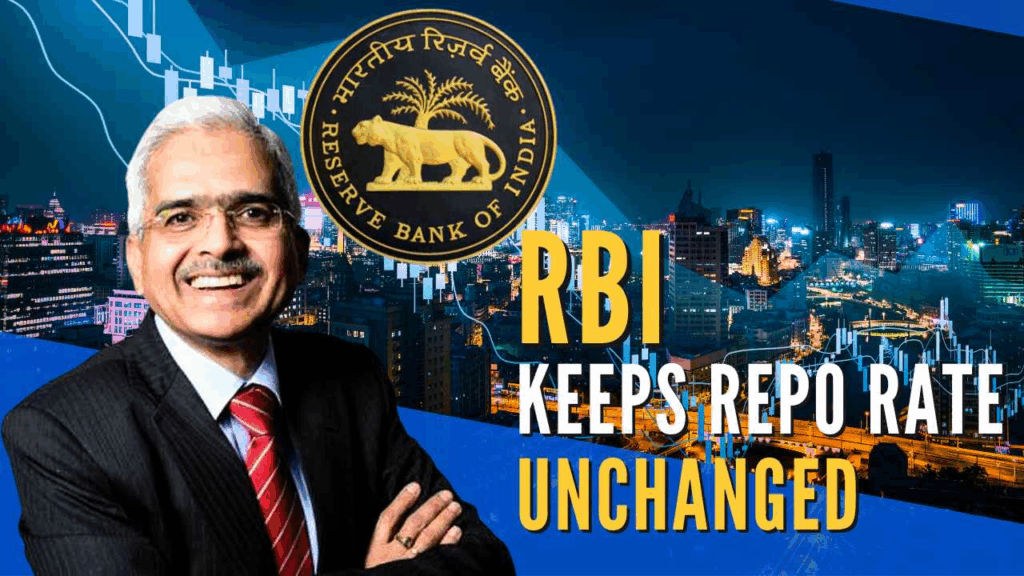
The Reserve Bank of India’s Monetary Policy Committee has decided to maintain the RBI repo rate at 5.5% following its meeting in early August 2025. This decision brings relief to borrowers using floating-rate home or auto loans, as EMIs remain steady. Fixed deposit returns also stay unchanged, reflecting continued stability in savings. The RBI held the rate despite headwinds from global trade tensions and aims to balance inflation control with support for economic growth. With inflation easing and credit conditions stabilizing, borrowers and investors can remain cautious but optimistic in the current economic environment.
Impact on EMIs and Home Loans
The decision to hold the RBI repo rate at 5.5% ensures that EMIs on loans linked to repo rates—such as home and auto loans—remain unchanged for now. Borrowers do not face higher monthly payments, offering stability in household budgets. Past repo cuts have yet to fully reflect in loan interest rates, so borrowers should monitor future adjustments closely.
Effect on Fixed Deposit Returns
Fixed deposit interest rates are unlikely to rise following this policy decision. With the repo rate held steady, banks have little reason to increase FD rates. While this offers predictability to savers, the returns may appear less attractive when adjusted for inflation. Investors might consider exploring alternative low-risk instruments if higher real yields are desired.
Why RBI Held the Rate Steady
RBI maintained the repo rate in its neutral policy stance, citing several factors: inflation cooling to a six-year low of 2.1% in June, elevated global uncertainties, and concerns surrounding US trade actions. The policy aims to support growth—projected at 6.5% for FY26—while ensuring inflation stays within the target range. The MPC noted that prior rate cuts totaling 100 basis points this year need time to fully feed into demand.
Inflation Trends and Projections
Headline inflation has steadily declined to 2.1%, well below the upper tolerance limit. The RBI now forecasts inflation around 3.1% for FY26—down from earlier estimates of 3.7%—reflecting improved food supply and stable fuel prices. Core inflation, although slightly elevated, remains moderate. The central bank warned that inflation may rise later in the fiscal year if global prices spike again.
How Repo Rate Controls Liquidity
The repo rate is the rate at which RBI lends to commercial banks under liquidity adjustment operations. By controlling this rate, RBI influences lending from banks to consumers and businesses. Since no change in repo rate means borrowing remains at current costs, this policy helps manage liquidity carefully, supporting credit flow without overheating the economy.
What Borrowers and Investors Should Do
Borrowers with floating-rate loans can continue with timely repayments as no immediate hikes are expected. Investors relying on fixed deposits should remember that returns are likely to stay flat. For healthier real returns, consider inflation-linked bonds or safe mutual funds by checking risk and return trade-offs. Watching future RBI reviews and inflation trends will help plan financial decisions ahead.
Reference:
Notifire delivers timely, easy-to-understand updates on economic policy and personal finance for readers of all ages. Stay informed, stay smart.