Summary:
The Rhisotope Project is a new way to stop rhino poaching using small amounts of safe radioactive material. Started in South Africa, this project puts radioactive tags into rhino horns. These tags help track the animals and scare off poachers. The radiation is safe for the rhinos and nature. It’s a smart plan to protect wildlife and reduce illegal trade. If it works well, the idea could be used for other animals too.
What Is the Rhisotope Project About?
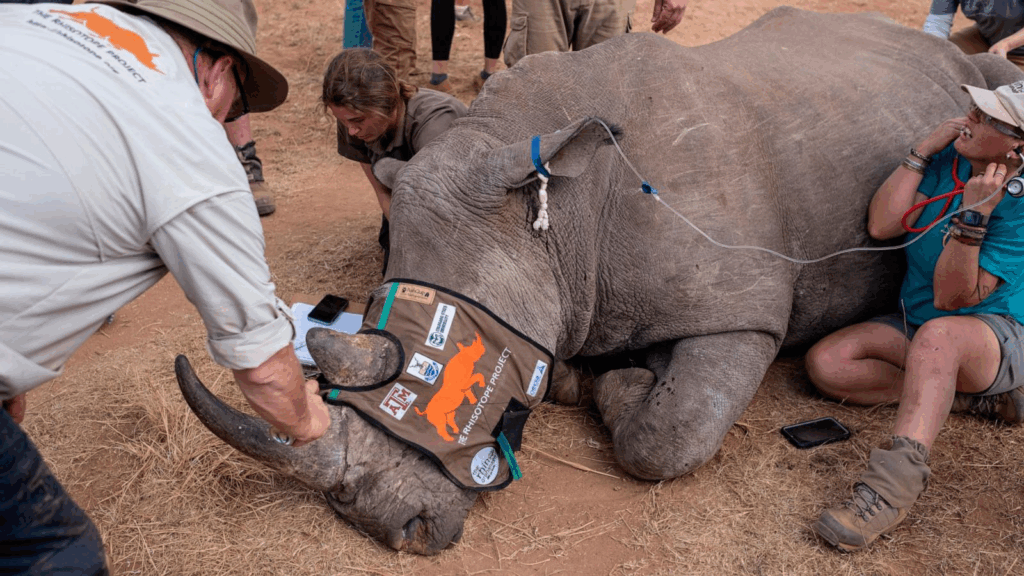
The Rhisotope Project is an effort to stop the killing of rhinos for their horns. It uses radioactive material inside rhino horns as a special marker. This tag can be found easily using special tools at borders and airports. It helps police and wildlife officers quickly know if a horn is real and stop illegal trade.
How Radioactive Tags Help Save Rhinos
The radioactive tag works like a secret alarm. It makes the horn easy to detect, even if it is hidden. This makes it risky for poachers to sell the horns. Since airports and ports use radiation scanners, the tagged horn will get noticed. This is a smart poaching deterrent — it scares people from trying to steal or smuggle rhino horns.
Why South Africa Started This Initiative
South Africa has the largest number of rhinos in the world. But many rhinos are killed each year by poachers. To protect them, scientists and wildlife groups started the Rhisotope Project. It is led by experts from the University of Witwatersrand in South Africa and supported by local and global wildlife organisations. The project is now being tested on real rhinos to see how well it works.
Is It Safe for Rhinos and the Environment?
Yes, the radioactive material used is very small and safe. It does not hurt the rhino or other animals. Scientists have carefully tested the tag in labs before using it. The radiation is just enough to be detected but not strong enough to harm health. So, this project also protects the wildlife environment.
Can This Stop Illegal Wildlife Trade?
The biggest hope is that it will make rhino horns worthless in the black market. Buyers don’t want horns that are tagged with radiation because it can be found easily. This can break the chain of illegal wildlife trade. If successful, it will become a major step in wildlife protection around the world.
What’s Next: Expanding to Other Species
If the Rhisotope Project works well for rhinos, the same idea can help protect other animals like elephants, pangolins, or even rare birds. The team is now working on how to use this smart tagging method for different wildlife that face threats from illegal hunting and trading.
Conclusion
The Rhisotope Project is a creative and modern way to fight poaching. It mixes science with smart thinking to protect rhinos. With strong results, this plan could help many more animals in the future. It shows how new ideas can save nature in a safe and smart way.
Stay tuned with Notifire for more updates.