How To Avoid Common Travel Scams
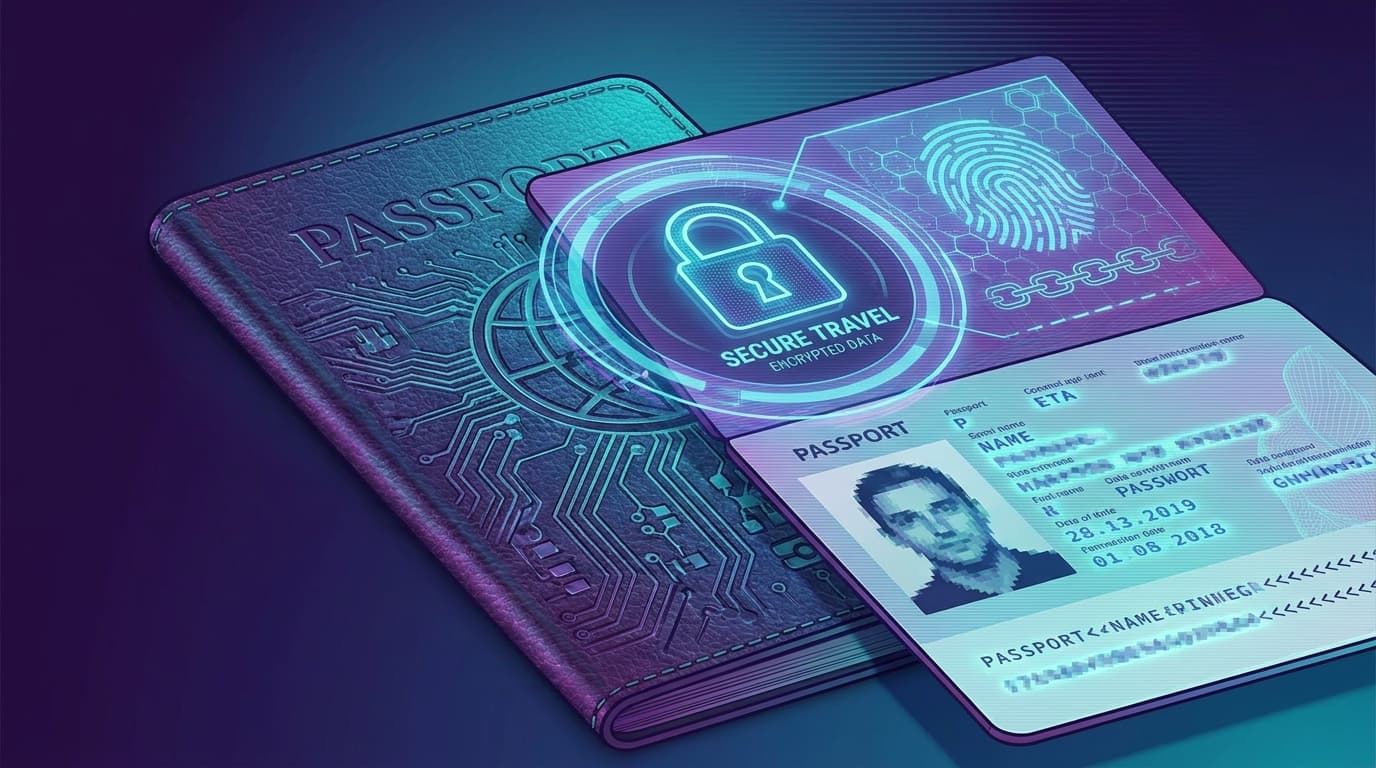
TL;DR: Booking flights, hotels, and rentals involves sharing sensitive data across multiple platforms, creating opportunities for criminals. Common travel scams and frequent data breaches in the hospitality sector increase the risk. Awareness of these threats is key to protecting information while planning travel.
Key facts
- Category
- Cybersecurity
- Impact
- Low
- Published
- Source
- Malwarebytes Labs
Full summary
Booking travel online creates opportunities for criminals. Here's how to protect your personal and financial data from common scams and data breaches.
Booking travel requires sharing sensitive personal and financial data across numerous platforms, creating a large attack surface for criminals. Scammers exploit this with fake booking websites, phishing emails disguised as confirmations, and deals that are too good to be true. These tactics aim to steal credentials and payment details. The excitement of planning a trip can lower a person's guard, making them more susceptible to social engineering schemes that prey on urgency. The use of unsecured public Wi-Fi in airports and hotels also exposes travelers to man-in-the-middle attacks, where attackers can intercept data transmitted over the network.
For businesses, these risks extend beyond the individual. Business travel is a common vector for corporate security breaches, as a compromised employee can expose company credentials, financial data, or provide a backdoor into the corporate network. This transforms a personal security lapse into a significant organizational threat. It is crucial for IT and security teams to educate employees on safe booking practices, such as verifying website authenticity, scrutinizing unsolicited offers, and understanding the dangers of public networks. Without this awareness, employees can become unintentional insider threats, putting company assets at risk.
The hospitality industry is a frequent target of data breaches, meaning customer data can be exposed even when using legitimate services. Stolen information is often used to craft highly targeted phishing attacks. This combination of direct scams and third-party breaches creates a high-risk environment. A proactive security posture is essential, including using VPNs on public Wi-Fi, enabling multi-factor authentication on travel accounts, and using virtual credit cards to limit financial exposure. Constant vigilance remains the most effective defense against the evolving landscape of travel-related cyber threats.
Tags
Related on Notifire
Related stories
Primary source: Malwarebytes Labs