Deepfakes Evolve Into Corporate Threat
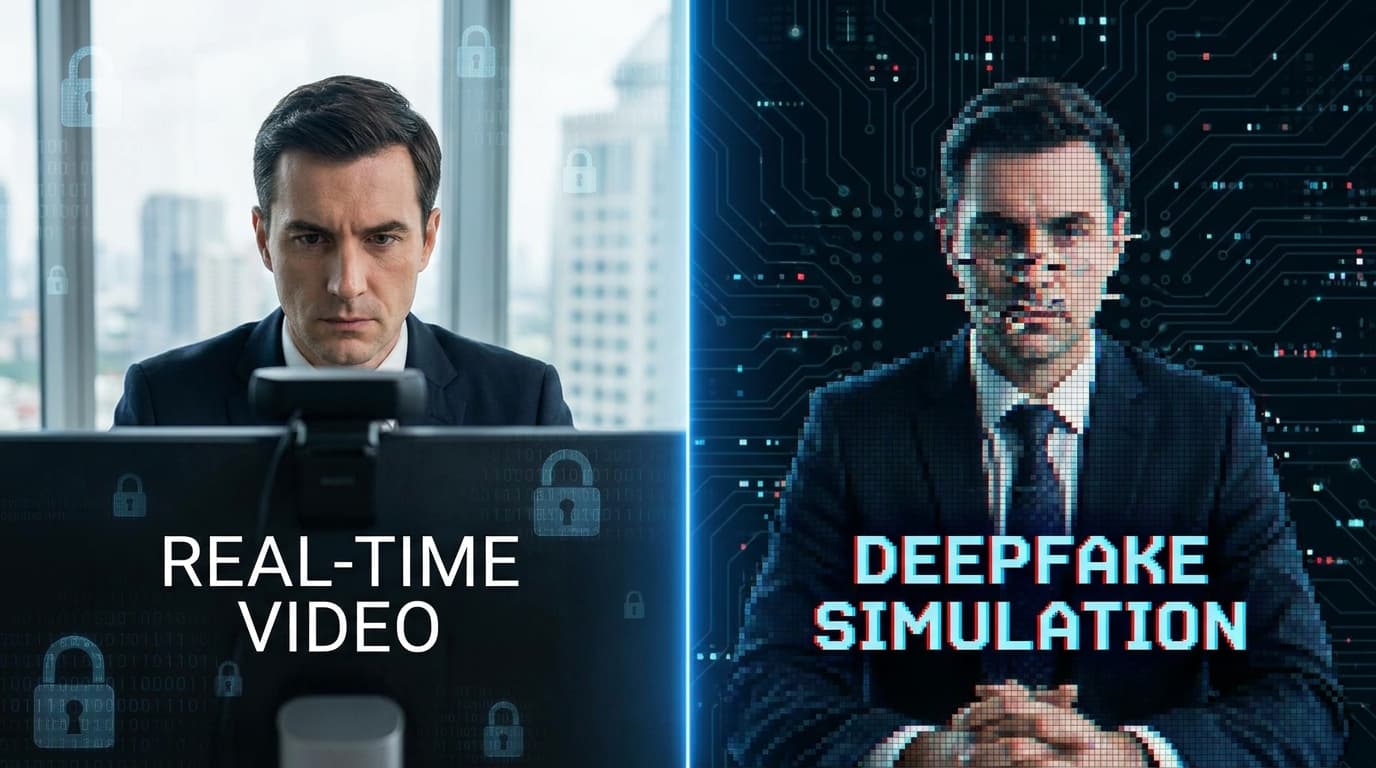
TL;DR: Deepfakes are evolving from public misinformation tools into a significant corporate security risk. Attackers use synthetic media to impersonate executives and manipulate business processes like payment approvals. A Gartner report indicates that 62% of organizations have already been affected by this growing threat.
Key facts
- Category
- Cybersecurity
- Impact
- Critical
- Published
- Source
- CIO.com
Full summary
Deepfakes are now a core business security issue, targeting payment approvals and executive communications and affecting most organizations.
Trust in workplace communications, once based on recognizing a familiar voice or face, is eroding. Deepfake technology is no longer confined to public misinformation campaigns but has become a sophisticated tool used to infiltrate routine business operations. Attackers are creating synthetic media to impersonate executives, targeting critical processes from payment authorizations to internal communications and customer support. As more business interactions shift to digital channels, the ease of creating convincing fakes increases, while the ability to verify identities becomes significantly more challenging.
This marks a fundamental shift in the corporate threat landscape. The traditional assumption that a known voice on a call or a familiar face in a video conference is genuine can no longer be trusted implicitly. According to a Gartner report, the problem is already widespread, with 62% of organizations reporting they have been affected by deepfake-related incidents. What was once considered an issue for social media platforms has escalated into a core enterprise security risk, demanding new defense strategies and heightened awareness from leadership and security teams.
Tags
Related on Notifire
Related stories
Primary source: CIO.com