Feds Uncover North Korean Laptop Farms in Texas
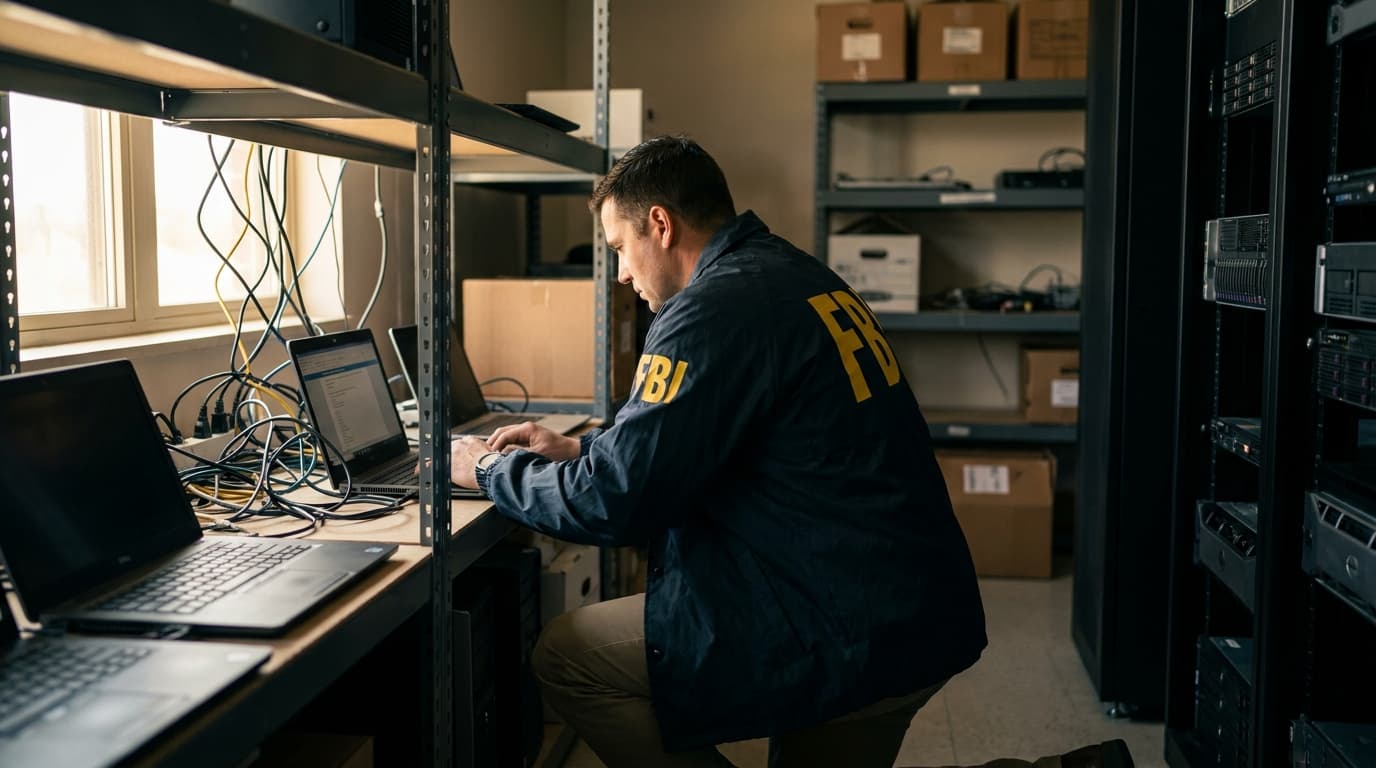
TL;DR: US federal agents have shut down a network of 'laptop farms' in Texas run by North Korea. The operation highlights a sophisticated tactic by nation-state actors to mask their location and infiltrate US companies by posing as remote workers.
Key facts
- Category
- Cybersecurity
- Impact
- Low
- Published
- Source
- Dark Reading
Full summary
US officials dismantled North Korean laptop farms operating on American soil, exposing a new threat to remote work security.
Federal authorities have disrupted a sophisticated North Korean operation on US soil, according to a report from Dark Reading. The initiative, dubbed "Operation Lonestar Justice," targeted physical infrastructure in Texas that included so-called "laptop farms." These facilities were allegedly part of a broader effort by North Korea to establish a stateside presence for its cyber operations. By physically placing equipment within the United States, foreign actors can make their online activities appear to be domestic, creating a significant challenge for law enforcement and corporate security teams. The discovery underscores a tactical evolution by nation-state adversaries, blending digital intrusion with tangible, real-world assets to achieve their objectives.
A "laptop farm" in this context refers to a collection of computers set up to act as proxies or remote workstations. Foreign operators can connect to these US-based laptops to perform their work, which routes their internet traffic through a domestic IP address. This technique effectively masks their true geographic location, allowing them to bypass security measures designed to block connections from specific countries or regions. For organizations that restrict access to their networks based on location, this method makes a foreign actor indistinguishable from a legitimate employee working from home in the US. It is a simple but effective way to defeat a common layer of security and build a more convincing cover for covert activities, such as applying for remote jobs at US companies.
The use of physical infrastructure inside a target country is a growing trend among sophisticated threat actors. While purely digital attacks remain common, establishing a physical foothold provides several advantages. It adds a layer of resilience to their operations, making them harder to disrupt through conventional cyber defenses alone. It also helps attackers build credibility, as they can operate from what appear to be legitimate US locations. This incident fits into a wider pattern of North Korean state-sponsored groups engaging in cybercrime and espionage to generate revenue and gather intelligence for the regime. These groups have become increasingly creative in their methods to circumvent international sanctions and security protocols.
For businesses, especially those with a large remote workforce, this operation serves as a critical warning. Relying on IP addresses for location verification is no longer sufficient. Companies must implement more robust identity and access management (IAM) protocols, including multi-factor authentication and behavioral analytics, to detect anomalous activity. The key takeaway is that the perimeter has dissolved not just digitally but also geographically. Organizations should review their onboarding and continuous verification processes for remote employees to ensure they can confidently verify who is accessing their systems, regardless of where their connection appears to originate. The next frontier in this battle will involve developing better tools to validate user identity and device integrity throughout a work session, not just at login.
Why it matters
This operation reveals that nation-state threats can have a physical footprint within the US, bypassing IP-based geofencing and other location-aware security controls. It complicates threat detection and attribution for security teams, as malicious activity can appear to originate from a domestic source.
Business impact
Companies face a heightened risk of unknowingly hiring foreign agents who appear to be legitimate US-based remote workers. This could lead to intellectual property theft, corporate espionage, and financial fraud, undermining trust in the remote hiring process and exposing sensitive internal systems.
Tags
Related on Notifire
Related stories
Primary source: Dark Reading