How AWS Uses AI Agents to Find Linux Flaws
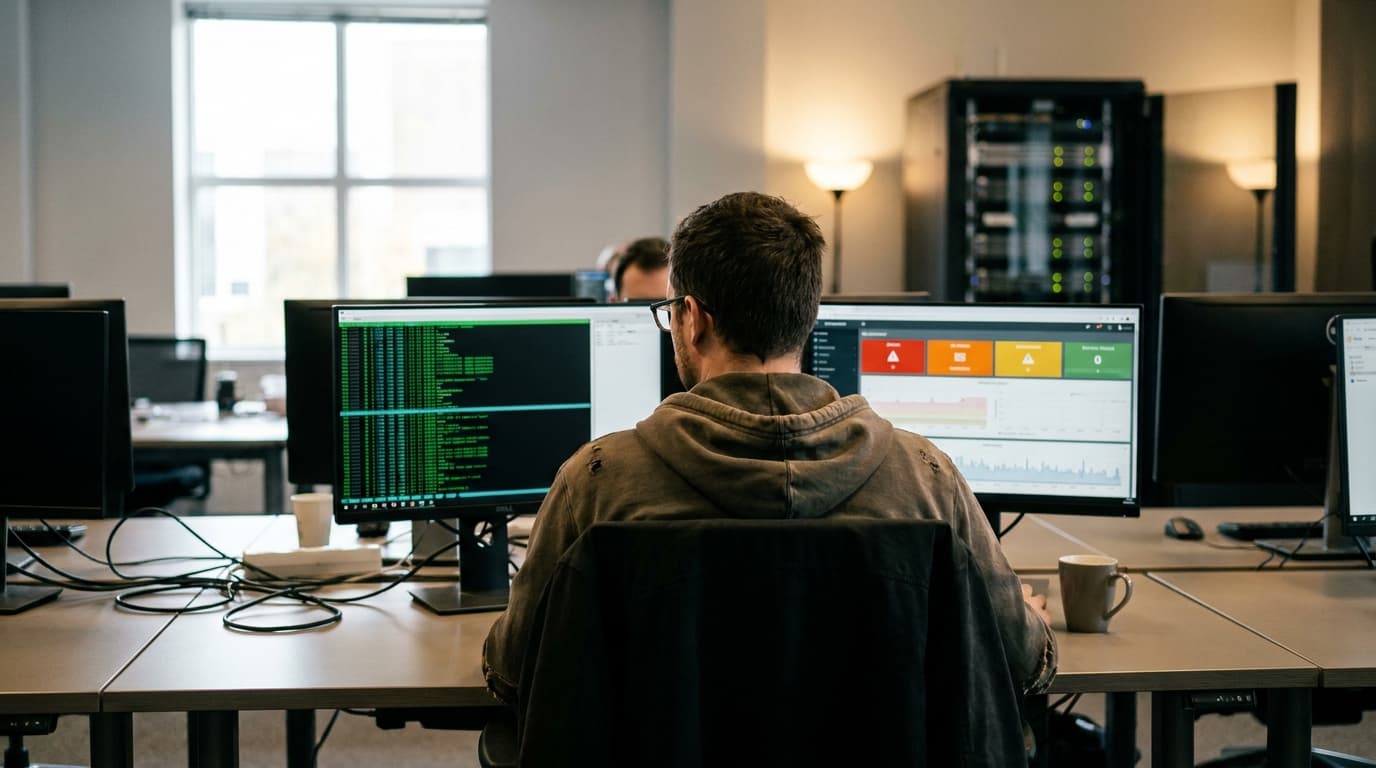

TL;DR: Amazon Web Services is now using AI agents to help triage security vulnerabilities in the Linux kernel. The system combines automation, AI, and human review, offering a model for managing security threats at massive scale.
Key facts
- Category
- Cybersecurity
- Impact
- High
- Published
- Source
- InfoQ
Full summary
AWS now uses AI agents and human experts to triage security vulnerabilities in the Linux kernel, improving speed and accuracy.
Amazon Web Services (AWS) has revealed how it manages security vulnerabilities within the Linux kernel that powers its massive EC2 infrastructure. According to a report from InfoQ, engineers at the cloud giant have developed a sophisticated, three-tiered process to triage Common Vulnerabilities and Exposures (CVEs). The system is designed to handle the constant stream of potential threats efficiently and accurately. This approach combines an initial automated filter, a custom-built AI agent for analysis, and a final human review. The disclosure offers a rare look into the internal security operations of a major cloud provider and highlights a practical, real-world application of AI in a mission-critical function. AWS's method serves as a case study in modernizing vulnerability management for complex, large-scale systems where speed and precision are paramount.
The core of the AWS system is its hybrid workflow that intelligently delegates tasks. The process begins with an automated filter that acts as the first line of defense, sifting through the high volume of incoming CVE reports to discard irrelevant or low-priority alerts. This initial step ensures that human and AI resources are focused only on credible threats. Next, a specialized AI agent takes over the analysis of the filtered vulnerabilities. This agent is trained to understand the specific context of AWS's EC2 environment, evaluating how a particular kernel flaw might impact its infrastructure. It assesses the severity and applicability of the CVE, effectively acting as a highly skilled but incredibly fast security analyst. The final and most critical step involves a human expert. The AI agent's findings and recommendations are passed to a security engineer who performs the ultimate verification and makes the final decision on how to proceed, whether that involves developing a patch, implementing a workaround, or scheduling a kernel update.
While using automation in cybersecurity is not new, AWS's deployment of a dedicated AI agent for kernel CVE triage represents a significant evolution. This moves beyond simple signature-based detection or rule-based filtering into the realm of contextual analysis, where the AI understands the nuances of a specific software environment. This approach is part of a broader industry trend where organizations are leveraging AI to augment, not replace, their human security teams. The sheer volume and complexity of modern cyber threats have made purely manual triage unsustainable for large organizations. By using AI to handle the initial, time-consuming analysis, security professionals can focus their expertise on the most complex and ambiguous threats, making strategic decisions rather than getting bogged down in repetitive tasks. This human-in-the-loop model is becoming the gold standard for scaling security operations effectively.
The practical takeaway for other technology leaders and security teams is the validation of this hybrid AI-human model for vulnerability management. It provides a blueprint for how to build a scalable and effective security triage system. However, the AWS team also highlighted another crucial point: the strategic importance of staying on newer long-term-support (LTS) Linux kernels. They argued that older kernel branches often accumulate a backlog of security fixes that are never backported, creating a hidden and growing security risk. This serves as a stark reminder that even the most advanced triage system cannot fully compensate for the foundational risk of running outdated software. For businesses, this reinforces the need for a proactive infrastructure strategy that prioritizes regular updates and minimizes technical debt, as it is a critical component of a robust security posture. Looking ahead, we can expect to see more organizations investing in similar bespoke AI solutions to manage their unique security challenges.
Why it matters
For security and infrastructure teams, this is a major validation of using AI for critical vulnerability management. AWS's hybrid model provides a blueprint for how to scale security triage, reducing manual effort while keeping humans in the loop for final decisions.
Business impact
Adopting an AI-assisted triage process can significantly reduce the operational costs of vulnerability management and lower security risk. It also underscores the financial and security liabilities of relying on older, unsupported software kernels, pushing for more proactive upgrade strategies.
Tags
Related on Notifire
Related stories
Primary source: InfoQ