Leaked malware fuels new npm attacks
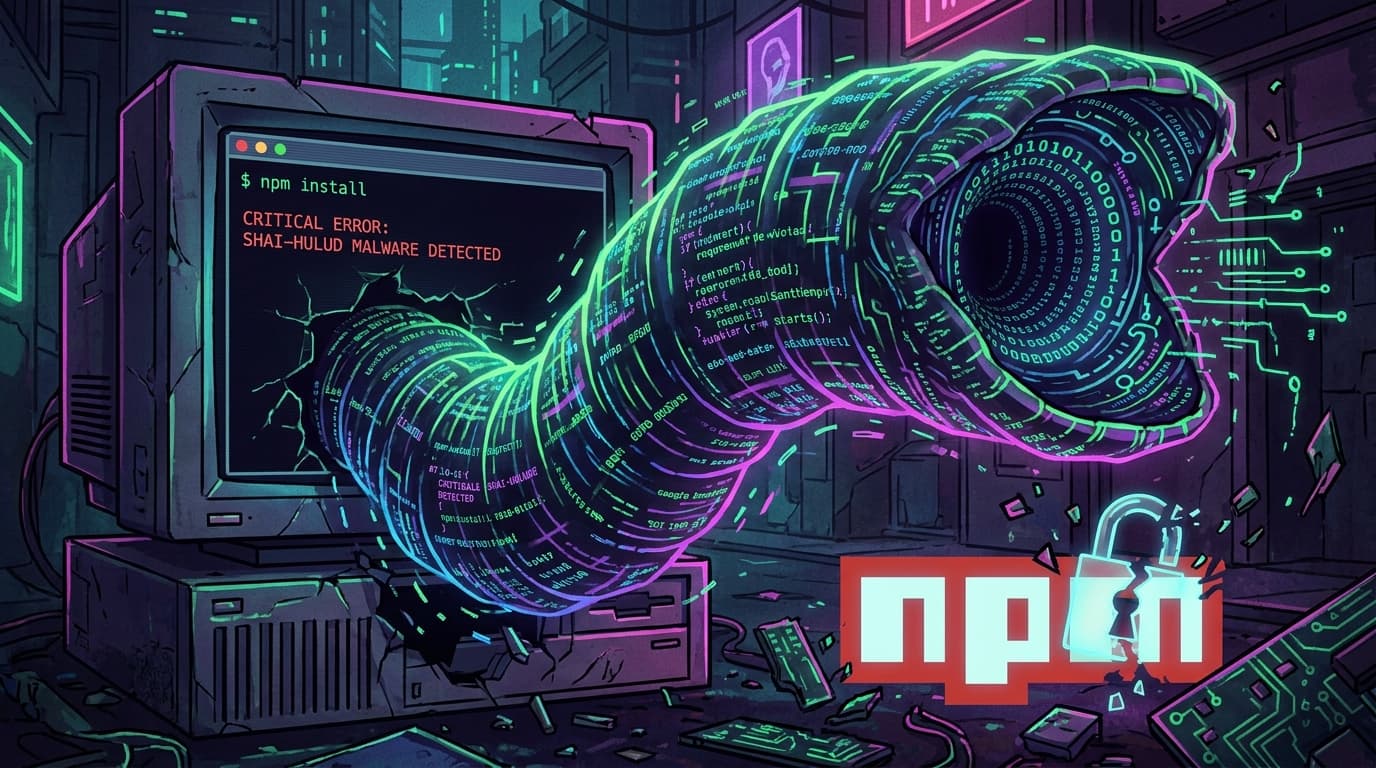
TL;DR: A recently leaked malware kit named "Shai-Hulud" is now being used in a new campaign targeting the npm registry. Attackers are publishing infected packages to steal sensitive information from developers' systems, including credentials and cryptocurrency wallets. This highlights the ongoing risk of software supply chain attacks.
Key facts
- Category
- Cybersecurity
- Impact
- Low
- Published
- Source
- BleepingComputer
Full summary
A recently leaked malware kit is now being used in a new wave of attacks targeting developers through the npm registry.
A recently leaked malware kit, dubbed "Shai-Hulud," is being actively used in a new wave of attacks targeting the npm software registry. Over the weekend, security researchers identified multiple malicious packages containing this information-stealing malware. The attackers use techniques like typosquatting, creating packages with names similar to legitimate ones, to trick developers into installing them. The Shai-Hulud malware is designed to scan infected systems for sensitive data and exfiltrate it to a command-and-control server. The public leak of the malware's source code has significantly lowered the barrier for cybercriminals to launch such campaigns, making the tool widely available.
This campaign represents a significant threat to the software supply chain, directly impacting developers, engineering teams, and any organization that uses JavaScript. Once installed, the malware can steal a wide range of valuable information, including environment variables, SSH keys, credentials for services like AWS and GitHub, and cryptocurrency wallet data. The consequences of such a breach can range from intellectual property theft to complete system compromise. The proliferation of this easy-to-use malware kit means that organizations must be more vigilant than ever about the open-source dependencies they incorporate into their projects.
Why it matters
The leak of this malware kit makes it easier for attackers to launch software supply chain attacks, increasing the risk for any organization using the npm ecosystem. It lowers the barrier to entry for less sophisticated actors to compromise developer environments.
Business impact
A compromise could lead to the theft of sensitive company data, intellectual property, and customer information, resulting in significant financial and reputational damage. It can also disrupt development cycles and require costly incident response efforts.
⚡ Action needed
Review npm dependencies for suspicious packages and enhance security monitoring.
Action checklist
- 1Audit all npm dependencies for recently added or updated packages.
- 2Use tools like `npm audit` to check for known vulnerabilities in your project.
- 3Scrutinize packages with names similar to popular libraries (typosquatting).
- 4Implement strict access controls and monitor for data exfiltration from developer machines.
- 5Educate developers on the risks of installing unverified packages from public registries.
Tags
Related on Notifire
Related stories
Primary source: BleepingComputer