License Plate Readers Will Soon Track Your Phone
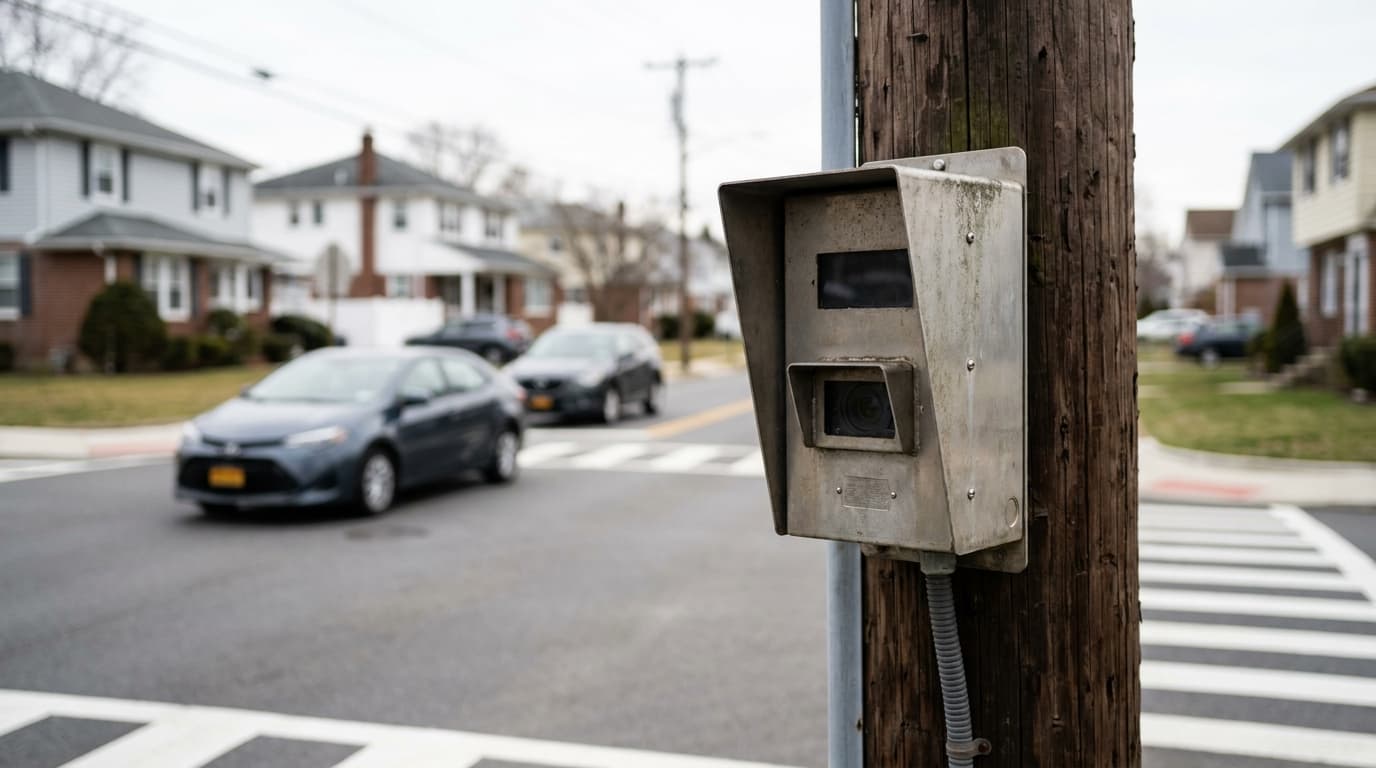
TL;DR: A major surveillance company is upgrading its license plate readers to also detect phones, AirPods, and smartwatches. The system will link your personal devices to your vehicle, creating a vast, searchable database of people's movements.
Key facts
- Category
- Cybersecurity
- Impact
- Critical
- Published
- Source
- Hacker News
Full summary
License plate readers will soon track your phone and other personal devices, linking them directly to your vehicle's movements.
Flock Safety, a company that provides automated license plate reader (ALPR) systems to law enforcement and private communities, is adding a new capability to its cameras. The devices will soon be able to detect and log Bluetooth and Wi-Fi signals from personal electronics like smartphones, AirPods, and smartwatches. This feature captures the unique MAC address of any nearby device and links it to the license plate of the vehicle it is near. This effectively creates a record of which personal devices were in or around a specific car at a particular time and location, building a comprehensive history of associations.
This development marks a significant expansion of surveillance, moving beyond tracking vehicles to tracking the individuals inside them. By linking a person's devices to a car, authorities can potentially identify drivers or passengers even if they aren't the registered owner, or track a person of interest as they move between different vehicles. For businesses and security teams, this technology raises profound privacy questions. It creates a new, massive dataset that could be subject to subpoenas, data breaches, or misuse, potentially exposing the travel patterns of employees or executives. The ability to connect an anonymous vehicle to a specific person's phone fundamentally changes the privacy landscape of public spaces.
The technology's rollout highlights a trend known as "function creep," where a tool created for one purpose, like finding stolen cars, is expanded for much broader surveillance. While the company states the feature is designed to help solve crimes, privacy advocates worry about the lack of regulation and oversight for such powerful tracking networks. It remains to be seen how communities and lawmakers will respond to this fusion of vehicle and personal device tracking. The key issue will be balancing the stated public safety benefits against the potential for creating a pervasive and highly detailed record of nearly everyone's daily movements.
Related on Notifire
Related stories
Primary source: Hacker News