License Plate Scanners Will Also Track Your Phone
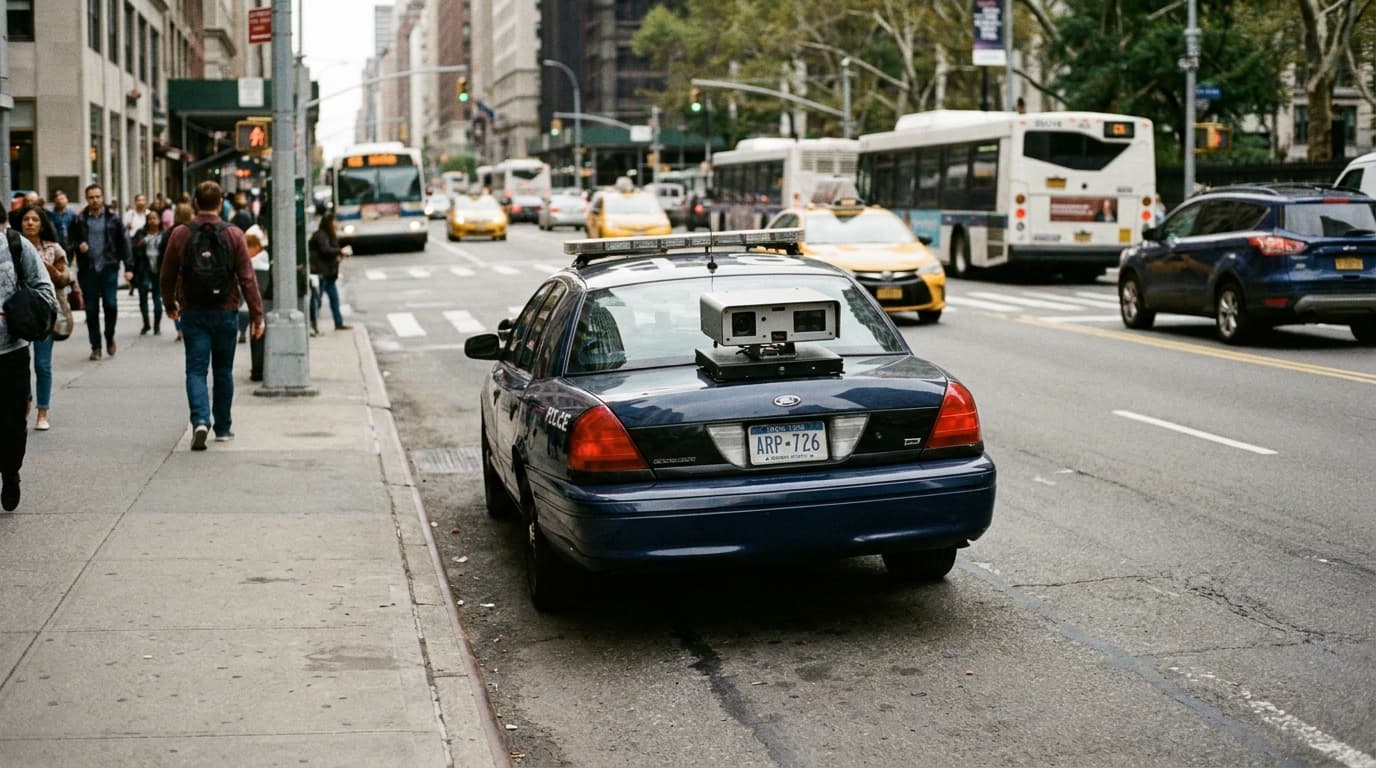
TL;DR: A surveillance firm is adding Bluetooth sensors to license plate readers. The new system will capture unique IDs from phones and wearables inside cars, linking vehicles directly to their occupants for law enforcement tracking.
Key facts
- Category
- Cybersecurity
- Impact
- High
- Published
- Source
- Schneier on Security
Full summary
New license plate readers will also scan for your phone's Bluetooth ID, linking your car directly to you for law enforcement.
The surveillance company Leonardo is developing a significant upgrade for its automatic license plate readers (ALPRs). The company plans to add new sensors to these devices that can detect and record the unique identifiers of nearby Bluetooth-enabled electronics. This means that as a car passes an ALPR, the system will not only capture its license plate but also sweep up the digital IDs from mobile phones, smartwatches, fitness trackers, and other wearables inside the vehicle. The goal is to create a system that links a specific vehicle to the specific people traveling within it at any given moment.
This technology represents a major expansion of mass surveillance capabilities. By combining physical vehicle tracking with digital device tracking, it allows for a much more detailed and personal level of monitoring. Law enforcement could potentially use this data to identify drivers and passengers, building comprehensive histories of their movements and associations. For businesses, this raises complex questions about employee privacy and the security of corporate data, as the digital footprints of team members become more easily tied to their physical locations. The fusion of these two data sources creates a powerful tool with significant privacy implications for everyone.
The development highlights a growing trend where different forms of surveillance are being integrated to create more powerful and pervasive systems. ALPRs are already widely used and have generated controversy over the creation of massive databases of vehicle locations. Adding device tracking amplifies these concerns, as the data collected becomes far more personal. This rapid technological advancement also presents a challenge for regulators and privacy advocates, as laws often lag behind the capabilities of new surveillance tools. The security of these combined datasets will also be a critical concern, as a breach could expose the sensitive travel patterns of millions of individuals.
Related on Notifire
Related stories
Primary source: Schneier on Security