New Foundation Defends US Water and Power Grids
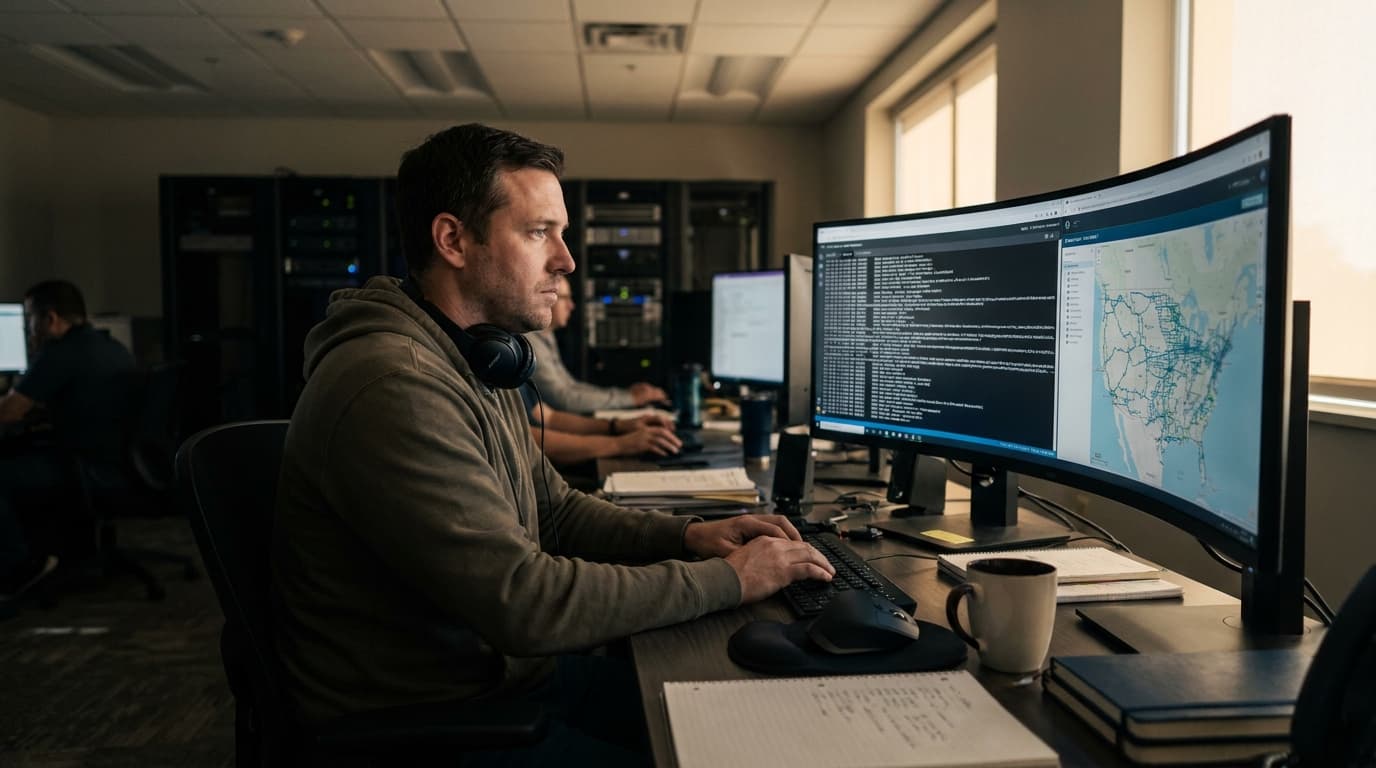
TL;DR: Elastic and Dragos are backing a new foundation to provide free, enterprise-grade cybersecurity to under-resourced US utilities. The initiative aims to protect critical infrastructure like water, electric, and natural gas services from growing cyber threats.
Key facts
- Category
- Cybersecurity
- Impact
- High
- Published
- Source
- Elastic Blog
Full summary
A new foundation, backed by Elastic and Dragos, is providing free cybersecurity to protect vulnerable US water, electric, and gas utilities.
A new nonprofit, the Community Cyber Resilience Foundation, has been launched to defend some of the most vulnerable parts of US critical infrastructure. According to an announcement from Elastic, the foundation will provide free, advanced cybersecurity capabilities to under-resourced water, electric, and natural gas utilities across the country. The initiative is a collaboration between major security vendors, with industrial cybersecurity firm Dragos providing its threat detection platform and Elastic’s data analytics technology powering its core functions. The goal is to give smaller municipal and co-op utilities access to the same level of protection used by large corporations, closing a significant gap in national security that attackers could otherwise exploit.
The partnership leverages the distinct strengths of each company to address the unique challenges of industrial environments. Dragos specializes in Operational Technology (OT) security, which involves protecting the industrial control systems (ICS) that manage physical processes like water flow or power distribution. Its platform is designed to identify threats specific to these sensitive networks. Under the hood, Elastic’s technology acts as the high-performance data engine. It ingests, searches, and analyzes the vast streams of telemetry and log data from the OT environment. This allows the Dragos Platform to perform real-time threat detection, hunt for anomalies, and investigate incidents at scale, turning raw data from industrial sensors and equipment into actionable security intelligence.
This foundation represents a growing trend of public-private partnerships aimed at bolstering national cybersecurity. Government agencies have repeatedly warned that critical infrastructure is a prime target for nation-state adversaries and ransomware groups. Smaller utilities are particularly at risk because they often lack the budget and specialized staff to deploy and manage sophisticated security tools. Their infrastructure can be decades old, built long before cyber threats were a consideration, making it difficult to secure. By creating a nonprofit model funded by larger tech companies, this initiative attempts to solve the resource problem and create a collective defense shield for an entire sector, recognizing that an attack on one small utility can have cascading effects across a region.
For technology leaders and security teams, this collaboration offers a blueprint for tackling systemic industry-wide risks. It underscores the idea that securing the nation's infrastructure is a shared responsibility, not just a problem for individual asset owners or the government. The key thing to watch will be the foundation's effectiveness and whether this model can be replicated in other vital sectors, such as healthcare or transportation. It also serves as a potent reminder for all businesses to evaluate their own dependencies on local and regional utilities. Understanding the potential impact of an infrastructure outage is a critical component of any comprehensive business continuity and disaster recovery plan.
Why it matters
This initiative directly addresses a major national security vulnerability: the under-protected state of smaller critical infrastructure providers. For security and infrastructure teams, it highlights a new model for collective defense and demonstrates how core data platforms are being deployed to solve complex OT security challenges.
Business impact
The foundation provides enterprise-grade security to utilities that could never afford it, reducing systemic risk across the energy and water sectors. For businesses dependent on this infrastructure, it offers a layer of resilience. For Elastic and Dragos, it's a high-profile demonstration of their capabilities.
Related on Notifire
Related stories
Primary source: Elastic Blog