New Hacking Group Targets South China Sea Secrets
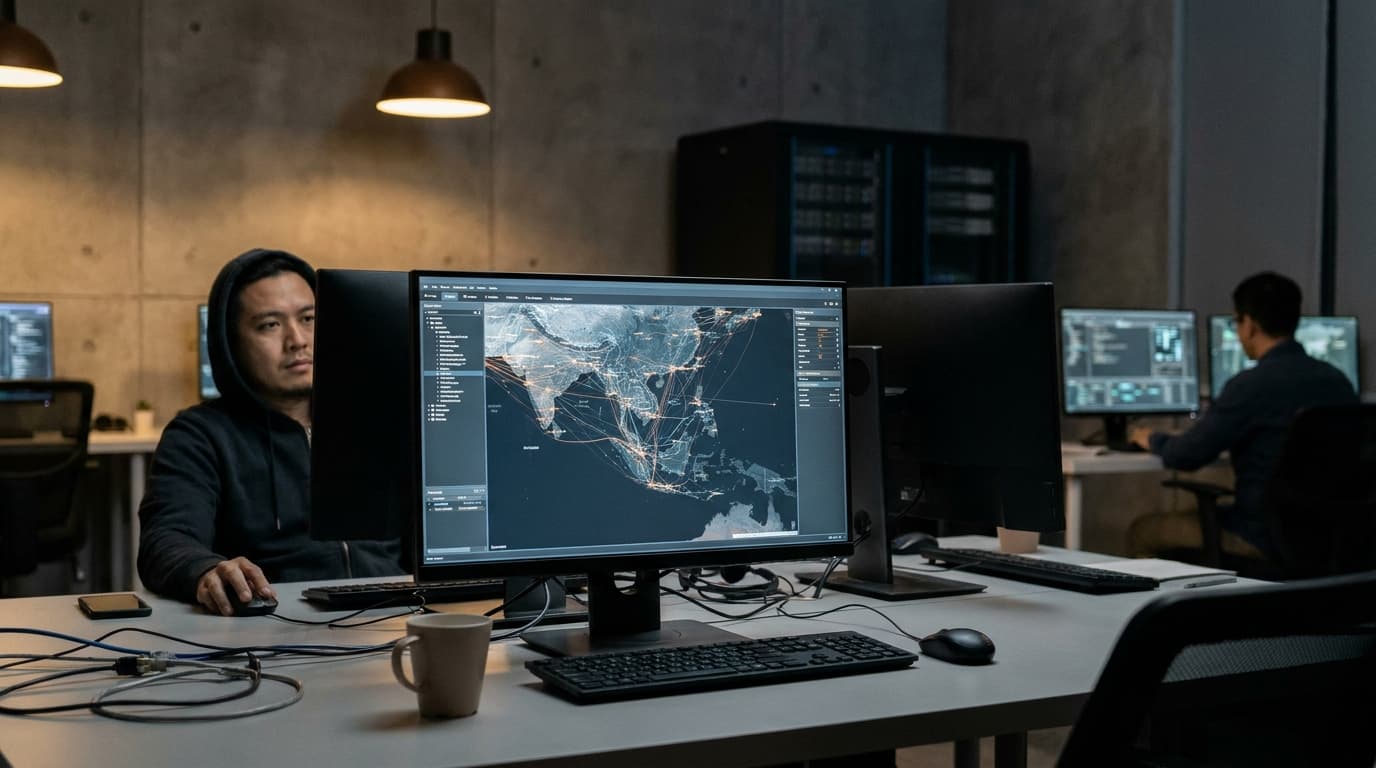
TL;DR: A newly identified hacking group, likely sponsored by Vietnam, is targeting military and government bodies in Southeast Asia. The group, dubbed WeaveLotus, seeks intelligence on South China Sea defense agreements, according to new security research.
Key facts
- Category
- Cybersecurity
- Impact
- High
- Published
- Source
- The Hacker News
Full summary
A new Vietnam-linked hacking group called WeaveLotus is targeting Southeast Asian governments for intelligence on South China Sea military agreements.
A new cyber-espionage campaign, codenamed WeaveLotus, has been uncovered by security researchers at SOCRadar. The report attributes the activity to a hacking group likely sponsored by the Vietnamese state. The group’s primary targets are government, military, and legislative bodies across Southeast Asia, with the objective of gathering intelligence on defense strategies and military agreements concerning the South China Sea. Initial findings have already identified at least five distinct intrusions in Thailand, indicating a focused and persistent effort. The emergence of WeaveLotus marks a significant development in the region's cyber-threat landscape, introducing a previously undocumented actor with specific geopolitical motivations and underscoring the use of digital operations for statecraft.
While the initial report does not detail the specific technical methods of WeaveLotus, such state-sponsored espionage campaigns typically follow a sophisticated playbook. Attackers often initiate intrusions via spear-phishing emails, tricking individuals into opening malicious attachments or links. These emails are highly targeted, impersonating trusted sources and referencing topics relevant to the victim's work. Once an initial foothold is gained, the attackers deploy custom malware designed for stealth and long-term persistence. This backdoor allows them to move laterally across the network, escalate privileges, and locate valuable data. They frequently use "living-off-the-land" techniques, abusing legitimate system tools to evade detection. The ultimate goal is not disruption but the clandestine exfiltration of documents and communications back to their command-and-control servers without triggering alarms.
The activities of WeaveLotus are a direct reflection of the complex geopolitical tensions in the South China Sea. Multiple nations, including Vietnam, China, and the Philippines, have overlapping territorial claims in this resource-rich waterway. This competition has increasingly moved into the digital realm, with cyber-espionage becoming a standard tool for nations to monitor rivals' military postures and diplomatic intentions. Numerous other state-sponsored groups, particularly those linked to China like Mustang Panda, have long conducted similar campaigns in the region. The emergence of a Vietnam-linked group engaged in the same activity highlights a trend where regional powers are deploying their own offensive cyber capabilities to advance national interests. This creates a volatile threat environment where governments and affiliated organizations are under constant threat from multiple state-backed adversaries, waging a digital shadow war parallel to physical disputes.
For technology leaders and security teams, the WeaveLotus campaign shows that geopolitical risk is now inseparable from cybersecurity risk. Organizations operating in Southeast Asia—particularly in the defense, maritime, energy, and technology sectors—must assume they are potential targets. This requires a proactive, intelligence-led security posture that goes beyond defending against generic threats. Teams must monitor the geopolitical landscape and understand the motivations and tactics of region-specific actors. Security strategies should be adapted to counter espionage techniques like sophisticated phishing and the abuse of legitimate credentials. Looking ahead, we can expect more activity from WeaveLotus and similar groups as regional tensions persist. Security researchers will work to analyze the group's toolkit, which should yield specific indicators of compromise (IOCs) for threat hunting. In the meantime, vigilance and a strong security culture are the most effective defenses.
Why it matters
This campaign highlights the direct link between geopolitical tensions and specific cyber threats. For security teams, it's a reminder that threat intelligence must include regional political analysis, as state-sponsored actors like WeaveLotus are actively targeting organizations to gain a strategic national advantage.
Business impact
Businesses operating in Southeast Asia, especially in maritime, defense, or government contracting sectors, face an elevated risk of espionage. A breach by groups like WeaveLotus could lead to the theft of sensitive intellectual property, contract details, or strategic plans, impacting competitive advantage.
Related on Notifire
Related stories
Primary source: The Hacker News