Typosquatting is a supply chain threat
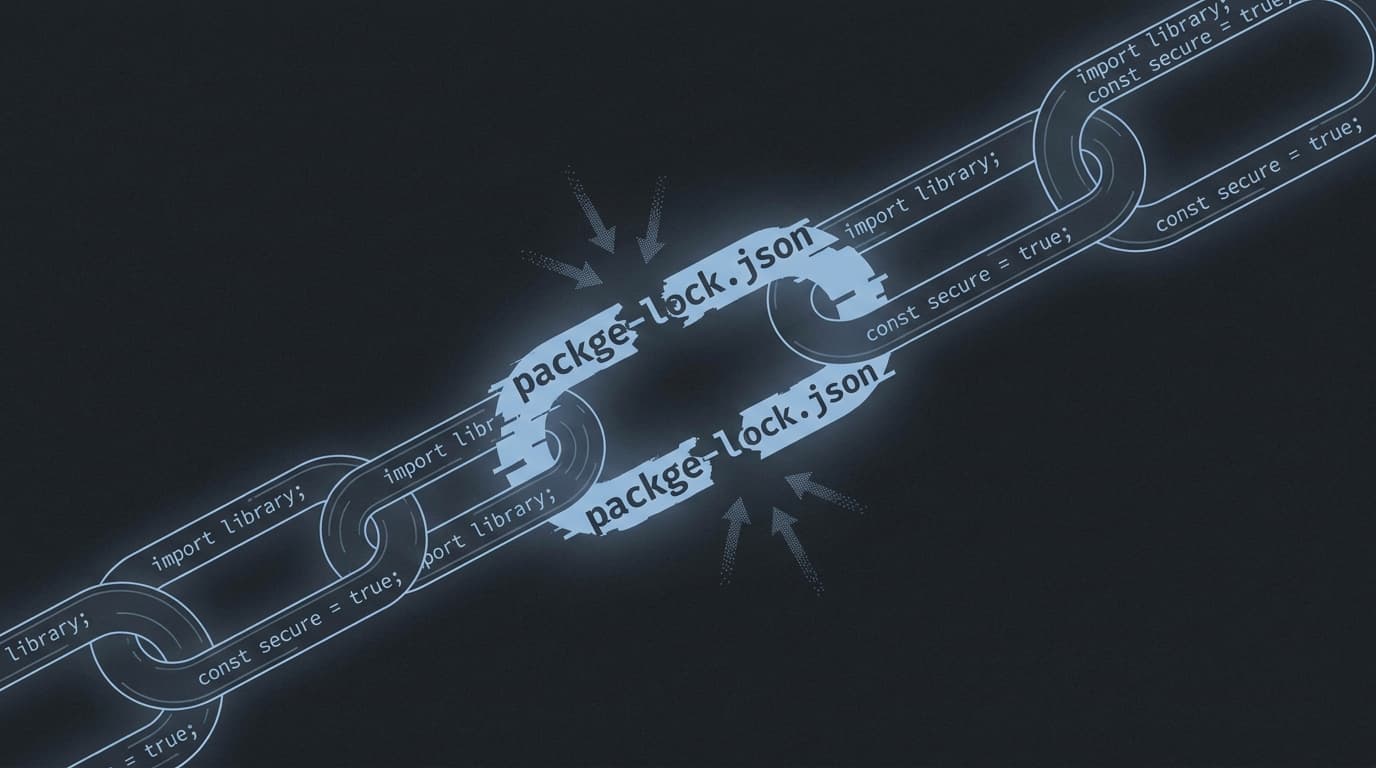
TL;DR: Typosquatting has evolved from a user-focused issue to a software supply chain threat. Attackers are now embedding malicious lookalike domains, sometimes generated by AI, directly into legitimate third-party scripts. This makes them difficult for standard security tools to detect, exposing web properties to new risks.
Key facts
- Category
- Cybersecurity
- Impact
- Low
- Published
- Source
- The Hacker News
Full summary
Typosquatting is no longer just a user problem. Attackers now embed lookalike domains inside the legitimate third-party scripts running on your website.
Typosquatting has evolved from a user-centric issue to a sophisticated software supply chain attack. Previously, this threat relied on users mistyping a web address and landing on a malicious site. The new approach involves attackers embedding lookalike domains directly into the third-party scripts that businesses integrate into their websites and applications. These malicious domains, which can be generated by AI to appear highly convincing, are hidden within the code of otherwise legitimate and trusted services. This means a threat is no longer introduced by a user's mistake, but through a compromised dependency that a company's own development team has implemented.
This shift poses a significant challenge because many existing security tools are not equipped to detect it. Standard security stacks often trust scripts from known vendors and may not perform the deep code analysis required to find these hidden, malicious domains. As a result, malicious code can execute silently in the background, potentially stealing customer data or injecting malware, all while appearing to originate from a trusted source. This changes the nature of the risk, moving the responsibility from the end-user to the developers, IT, and security teams who manage a company's software dependencies.
Tags
Related on Notifire
Related stories
Primary source: The Hacker News