US Sanctions Exchange Over Ransomware
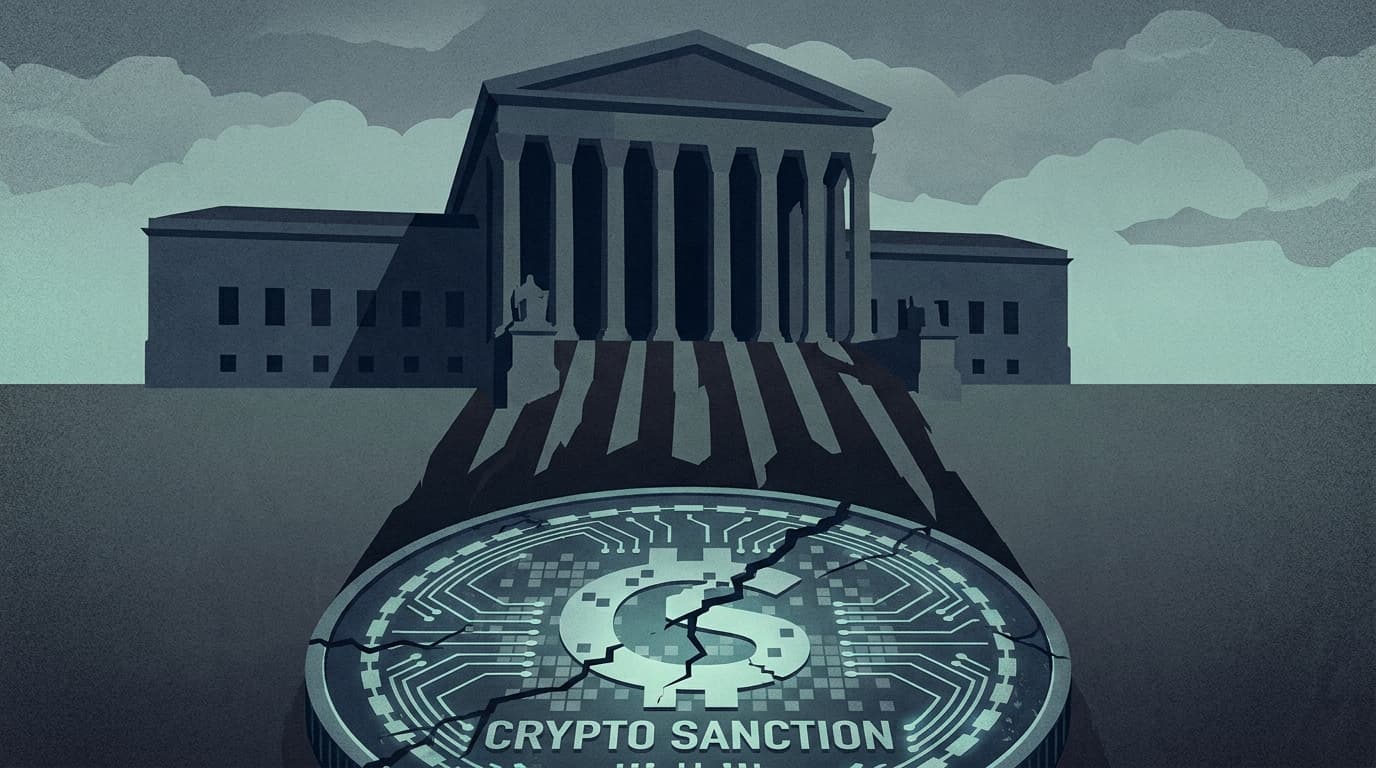
TL;DR: The U.S. Treasury has sanctioned Nobitex, Iran's largest cryptocurrency exchange, for allegedly facilitating ransomware payments and other illicit transactions. This move is part of a broader U.S. effort to disrupt the financial networks used by cybercriminals and state-sponsored actors, effectively cutting the exchange off from the U.S. financial system.
Key facts
- Category
- Cybersecurity
- Impact
- Critical
- Published
- Source
- BleepingComputer
Full summary
The U.S. has sanctioned Nobitex, Iran's largest crypto exchange, for its alleged role in processing payments for ransomware groups.
The U.S. Treasury's Office of Foreign Assets Control (OFAC) has sanctioned Nobitex, Iran's largest cryptocurrency exchange. The agency alleges that Nobitex facilitated ransomware payments and other illicit transactions, including those linked to terrorist financing. This action effectively blocks the exchange from the U.S. financial system, making it illegal for any U.S. person or company to conduct business with it. The sanctions are part of a broader government strategy to dismantle the financial infrastructure that supports cybercrime. By targeting a major regional exchange, U.S. authorities are sending a clear message about their intent to pursue platforms that enable malicious actors to move and launder funds.
This sanction is a significant development for security teams, fintech founders, and anyone involved with digital assets. It highlights the growing regulatory scrutiny on the cryptocurrency industry and the severe consequences for non-compliance. For businesses, it underscores the critical need for robust due diligence, especially when dealing with international crypto platforms or partners. The move against Nobitex is part of a larger trend where governments are closing loopholes that allow for illicit financial activity. Companies must now be more vigilant than ever about their transaction monitoring and compliance with Know Your Customer (KYC) and Anti-Money Laundering (AML) regulations to avoid exposure to sanctioned entities.
Why it matters
This sanction signals increased US regulatory pressure on crypto exchanges to combat illicit finance, highlighting compliance and due diligence risks for fintech and security teams.
Business impact
Companies interacting with the crypto ecosystem face heightened legal and reputational risks. The sanction necessitates stricter vetting of partners and enhanced transaction monitoring to avoid dealings with blacklisted entities, potentially increasing compliance costs.
Tags
Related on Notifire
Related stories
Primary source: BleepingComputer