Summary
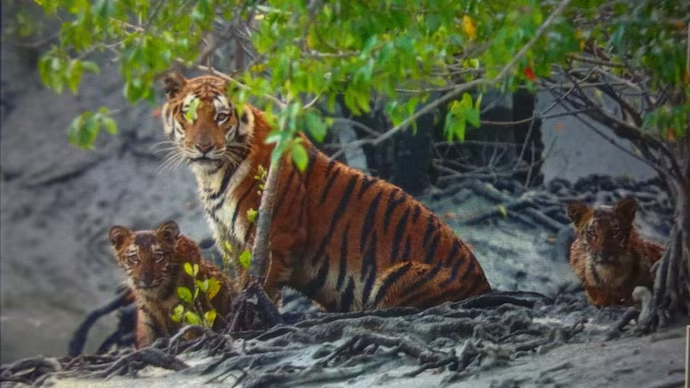
The Sundarbans Tiger Reserve in India has expanded by 560 square kilometers, making it the second-largest tiger reserve in the country. This move will strengthen wildlife protection, especially for the endangered Royal Bengal Tigers. The expansion also helps protect the fragile mangrove ecosystem, supports eco-tourism, and improves climate resilience. The total reserve area is now over 2,585 sq km, giving more space for tigers and other wildlife. This step reflects India’s continued efforts in wildlife conservation.
Why Sundarbans Needs More Protection
The Sundarbans is the world’s largest mangrove forest and home to the endangered Royal Bengal Tiger. It faces threats from climate change, rising sea levels, and human activity. Expanding the protected area helps reduce these risks and supports long-term survival of tigers and other rare species like estuarine crocodiles and fishing cats.
Benefits of Sundarbans Tiger Expansion
This expansion adds more forest to the reserve, which gives tigers a larger and safer space to live and hunt. It also protects smaller animals and supports the mangrove trees that act as natural shields during cyclones. The bigger area will allow better scientific monitoring, patrolling, and fewer human-wildlife conflicts.
Comparison with Previous Forest Area
Before the expansion, the Sundarbans Tiger Reserve covered around 2,025 sq km. With an increase of 560 sq km, it now covers 2,585 sq km. This makes it the second-largest tiger reserve in India, after the Nagarjunsagar-Srisailam Tiger Reserve in Andhra Pradesh, which spans over 3,700 sq km.
(Reference: Down to Earth)
Impact on Tiger Conservation Efforts
More land means more space for tigers to move, mate, and hunt without coming close to human settlements. It improves the health of the tiger population and boosts their chances of survival. Conservationists see this as a smart move towards meeting India’s tiger protection goals under Project Tiger.
Role of Eco-Tourism in Sundarbans
With its unique landscape and rich wildlife, Sundarbans has great potential for eco-tourism. A bigger reserve could attract more visitors, which would help local communities earn income. However, strict rules must be followed to ensure tourism does not harm the forest or its animals.
Stay tune with Notifire for more updates.