Trump Mobile reportedly launched without required FCC authorization for international calls. A US senator's letter also notes the company failed to submit a mandatory plan for fighting robocalls, raising significant compliance and security questions for the new service.
The FCC has approved SpaceX to operate its Starlink Mobile service internationally. This paves the way for global satellite-to-phone connectivity, potentially eliminating dead zones and challenging traditional mobile carriers worldwide.
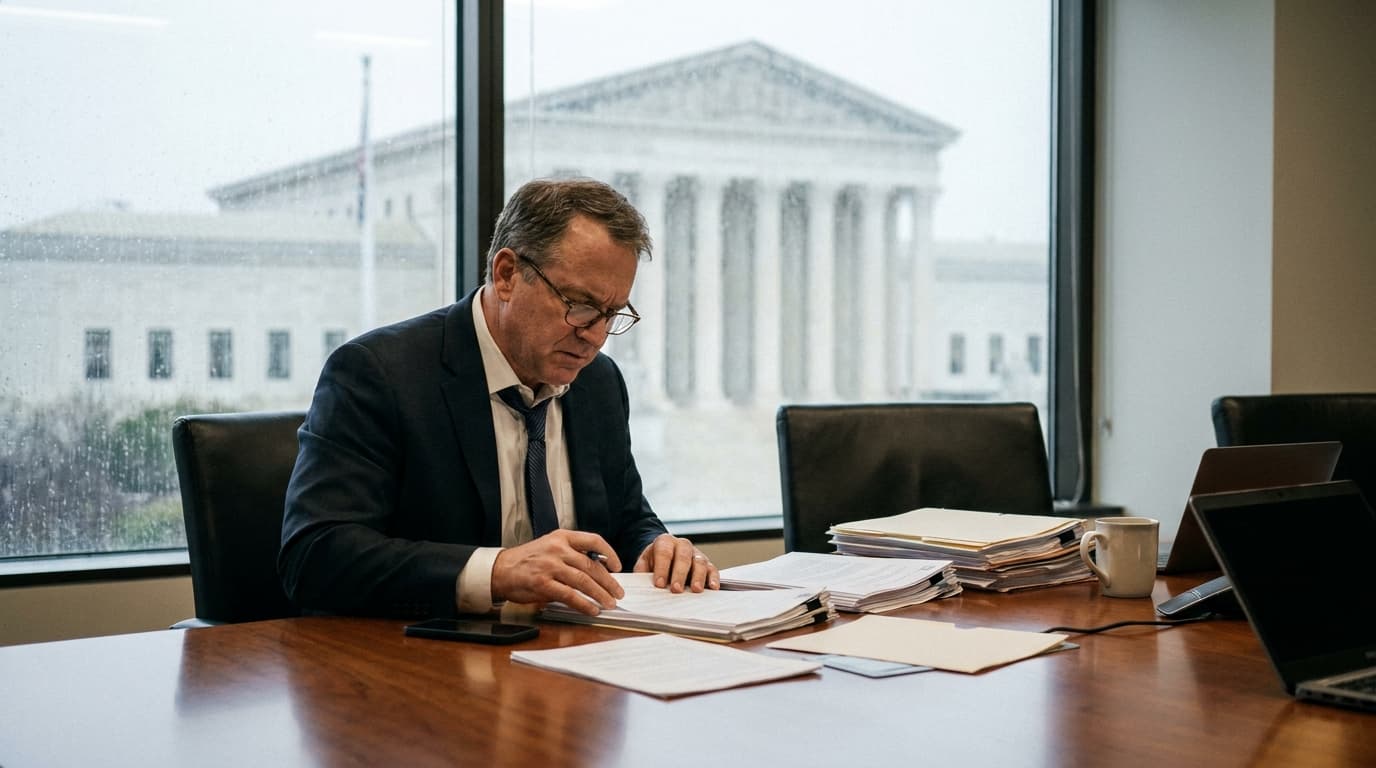
The Supreme Court has rejected Verizon's appeal to refund a $47 million FCC fine. This decision solidifies the penalty for mishandling user location data, setting a major precedent for data privacy enforcement and corporate accountability.
A new nomination is set to give the FCC a 3-1 Republican majority, breaking a long-standing tradition of maintaining a closer partisan balance. This shift could lead to significant changes in internet and telecom regulations.
An advocacy group is suing the FCC, claiming it's hiding Chairman Brendan Carr's encrypted Signal messages. The lawsuit alleges the agency is concealing documents related to DOGE's influence, raising concerns about government transparency.
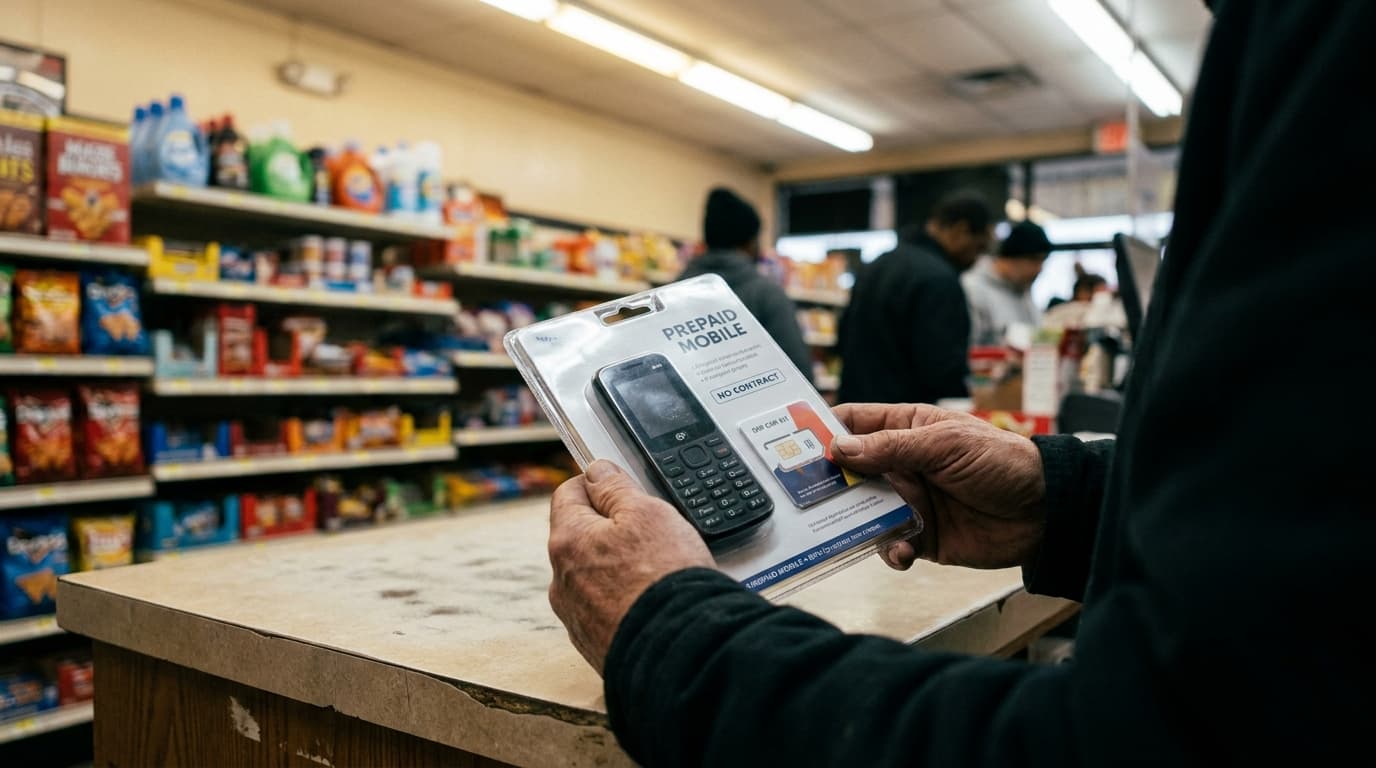
The FCC is proposing a new rule that would require telecom companies to collect government-issued ID from all customers. This move aims to end anonymous "burner phones," creating significant privacy and data security challenges for businesses and users.
The FCC wants to force telecoms to collect government IDs and addresses for all phone users. This would eliminate anonymous "burner phones" and create major new privacy and security risks.