7 verified briefings on Incident Response. Each story includes a plain-English summary, why it matters, and the concrete action engineering teams should take.
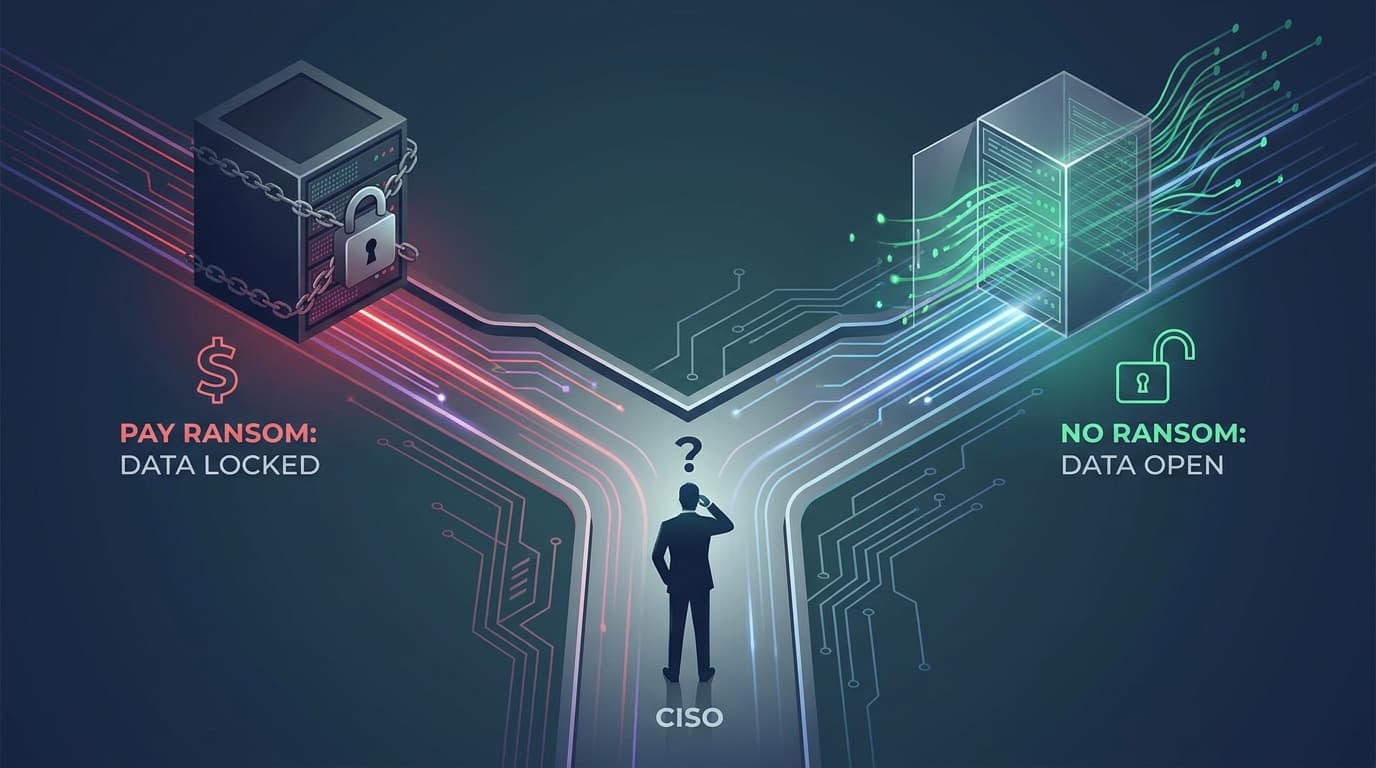
A new survey commissioned by Absolute Software reveals a significant trend in ransomware response. It found that 58% of Chief Information Security Officers (CISOs) say their organization would pay a ransom to recover data, highlighting a major shift in incident response strategy.
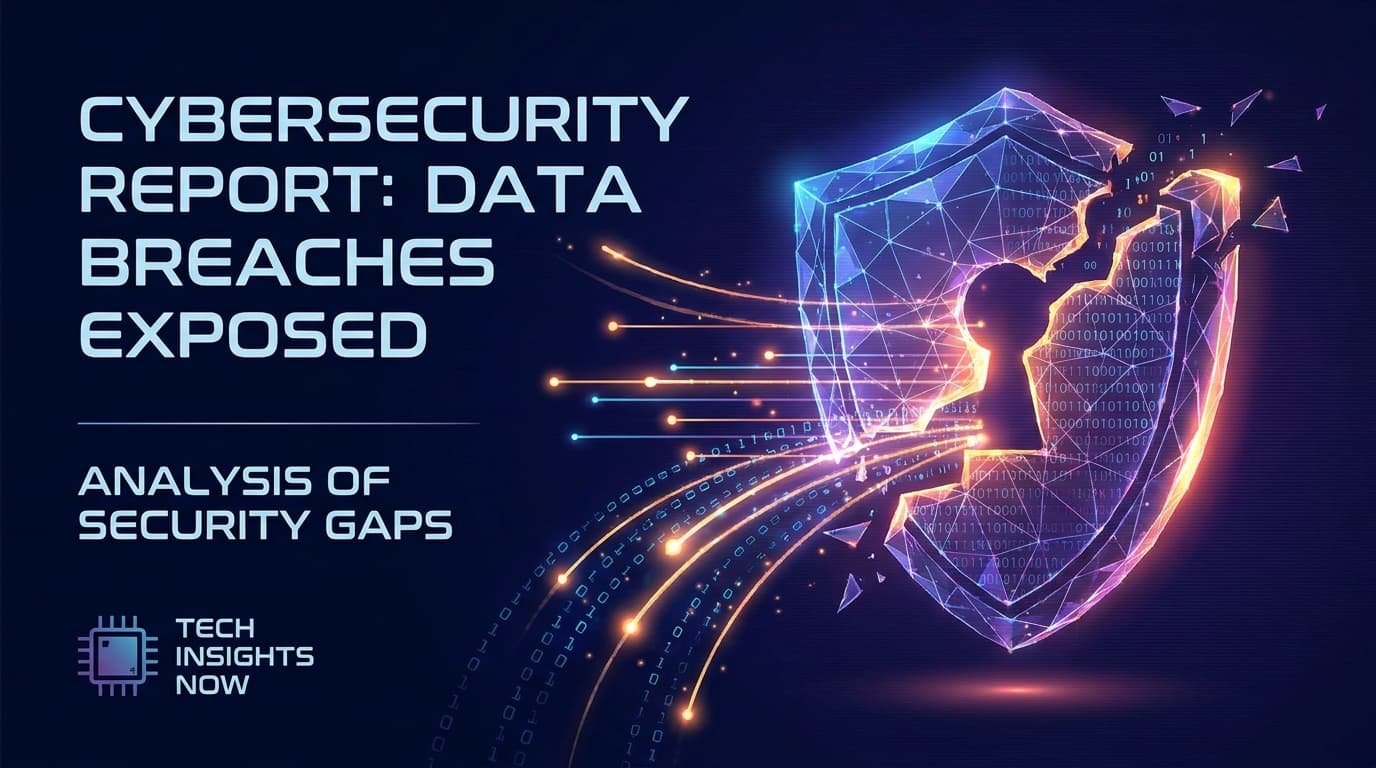
A new report finds many organizations are not ready for cyberattacks. A third of CISOs say their data isn't well-protected, and over half feel unprepared to respond to an incident, highlighting significant gaps in current cybersecurity strategies and readiness.
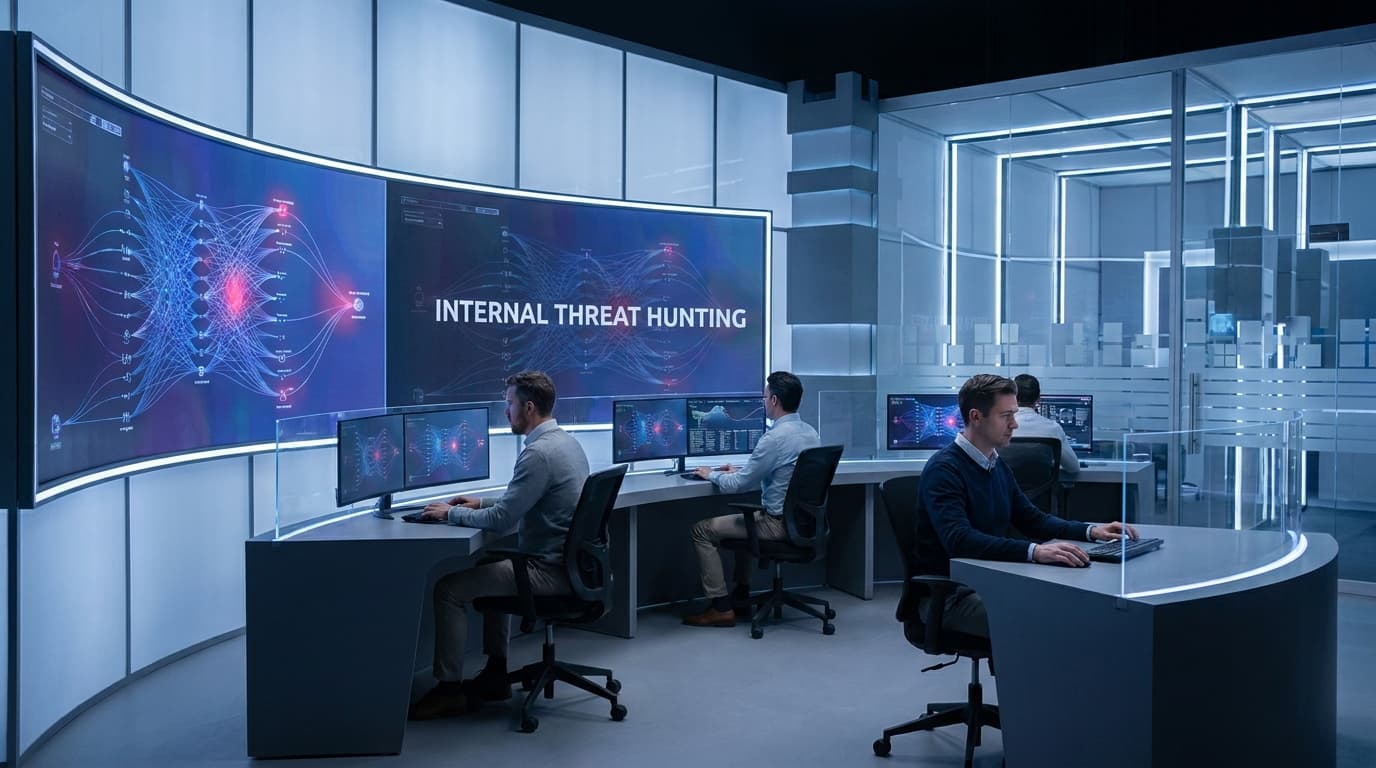
Traditional "fortress" security is no longer enough. Modern threats often look like normal internal activity. Security Operations Centers (SOCs) must evolve to detect these subtle risks before they become major incidents, shifting focus from perimeter defense to internal monitoring.
Many enterprise security teams focus on compliance checklists, not real-world attack readiness. This leaves them vulnerable, unlike military cyber ops teams who train for precision and speed under pressure.
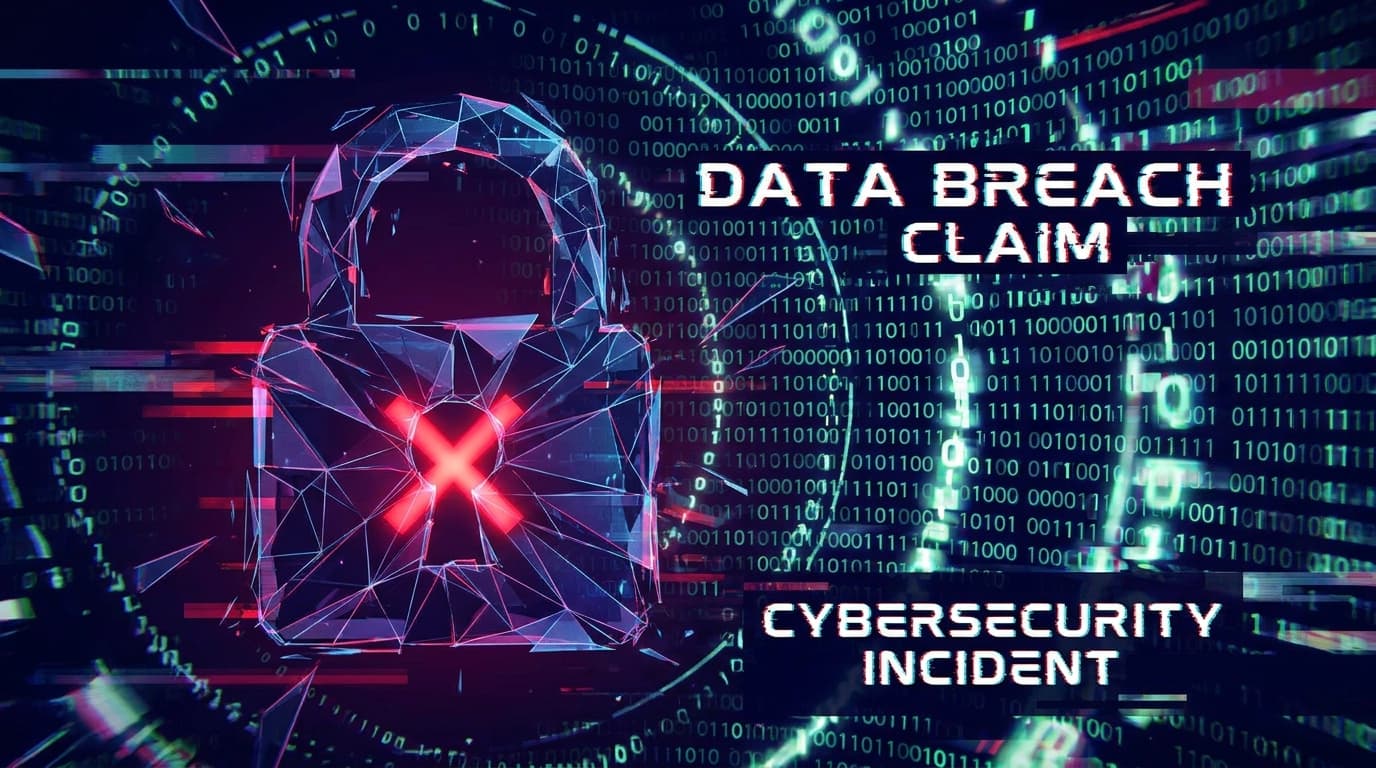
A prominent ransomware gang has listed MyPillow on its dark web leak site, threatening to release stolen private data. The company's CEO, Mike Lindell, has publicly denied any security breach, calling the claim a politically motivated attack and creating uncertainty about the situation's true nature.
A data breach at Columbia University exposed the personal information of people with no connection to the school. The incident highlights how third-party data sharing creates hidden risks for organizations and individuals alike.
Phishing emails that bypass security filters create a dangerous gap for businesses. After a single click, security teams are often unsure about the extent of the exposure. Early detection systems are crucial for closing this gap, helping teams quickly understand the risk and respond effectively to threats.