AWS has released new T8i instances, offering up to 30% better price-performance than older T3 instances. Powered by custom Intel chips, they are designed for common workloads like microservices and development environments, providing a low-cost option.
Intel researchers developed a new storage format that compresses AI models smaller than previously thought possible. This method boosts performance by up to 27% on GPUs without needing to retrain the model, making AI more efficient.
Intel revealed its next-generation AI hardware roadmap, including a 256-core server CPU. However, its new client chip falls short of Microsoft's Copilot+ requirements, signaling a challenging competitive landscape for the company in the AI PC race.
Apple's upcoming macOS release will not support any Intel-based Macs, marking the definitive end of a 20-year partnership. This move requires businesses to finalize their transition plans to Apple Silicon hardware for future software updates.
Ubuntu has released a security update for the Linux kernel used in Intel IoTG real-time systems. The patch addresses several vulnerabilities in the SMB network file system, Netfilter, and io_uring subsystems. If left unpatched, an attacker could potentially use these flaws to compromise an affected system.
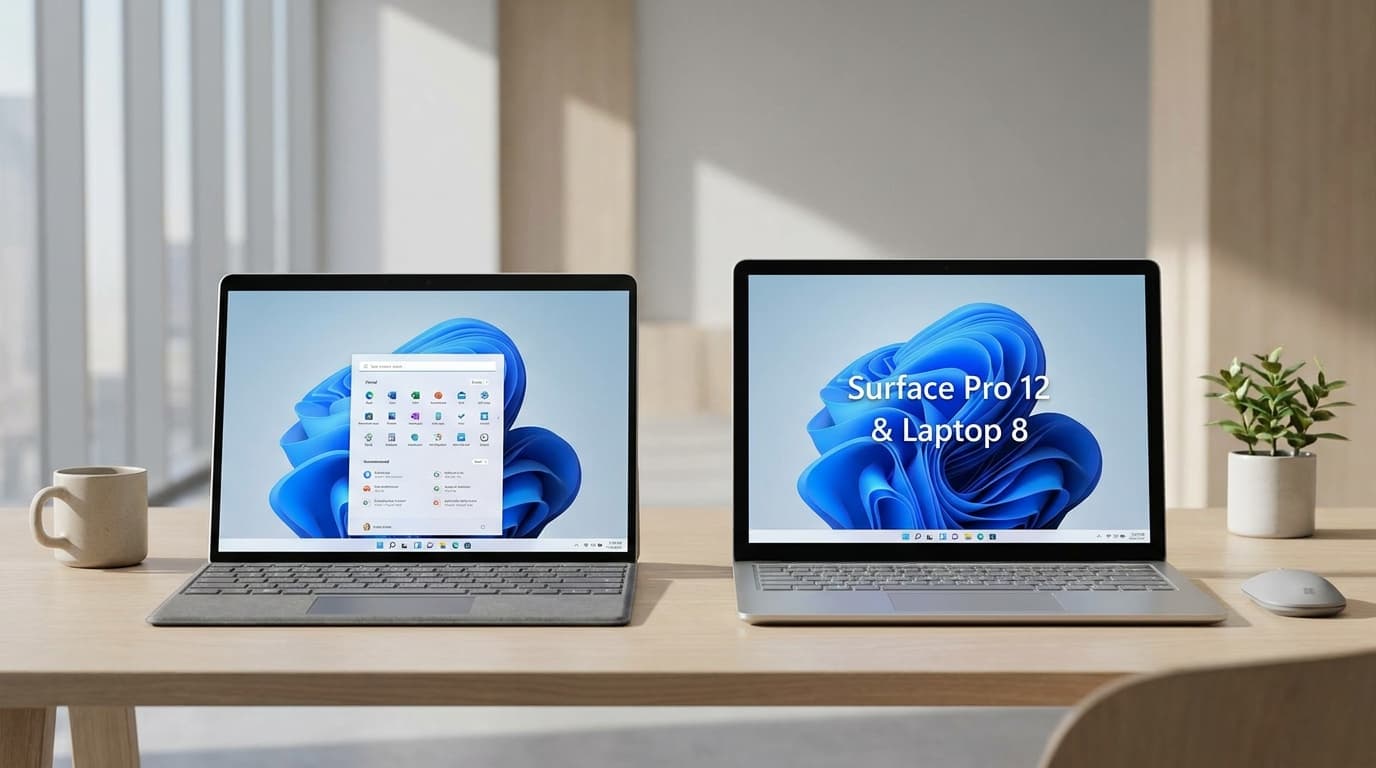
Microsoft has launched three new Surface devices for business customers: the Surface Pro 12, Surface Laptop 8, and a 13-inch Laptop model. These devices feature Intel's latest Core Ultra Series 3 processors, business-centric upgrades, and notably higher starting prices.
Microsoft has launched new versions of its Surface Pro and Surface Laptop, initially featuring Intel's latest Core Ultra Series 3 processors. This strategy prioritizes Intel chips, with models powered by Qualcomm's Snapdragon X2 processors expected to be released later in the year for business customers.