6 verified briefings on Prompt Injection. Each story includes a plain-English summary, why it matters, and the concrete action engineering teams should take.
A new type of AI security threat is emerging as attackers move beyond simple jailbreaks. They are now exploiting the pre-defined 'personalities' of chatbots, manipulating their intended character traits to bypass safety controls and generate harmful content. This marks a significant evolution in LLM vulnerabilities.
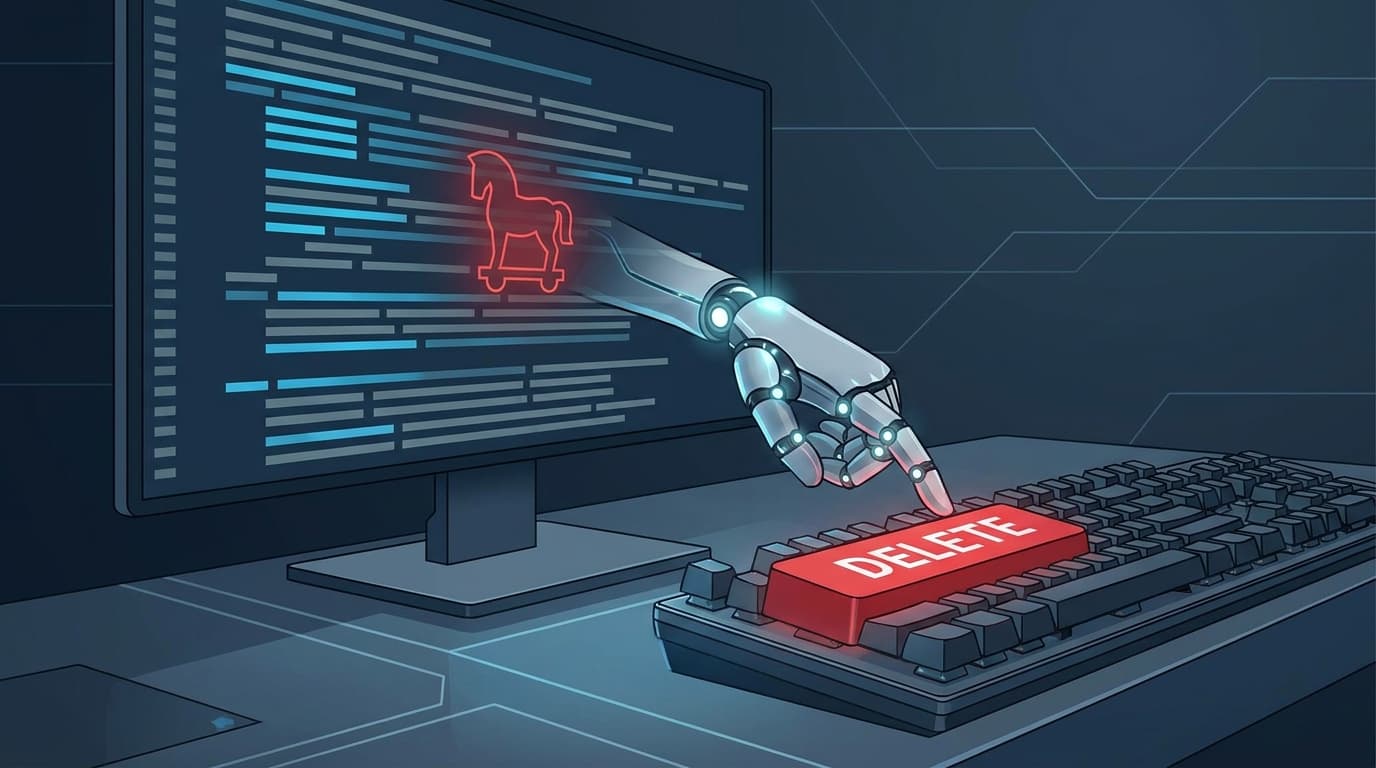
A developer embedded a malicious prompt into the open-source library `jqwik`. The hidden instruction tricks AI coding assistants into deleting application output files. This novel supply chain attack highlights new security risks for developers who rely on AI tools for coding and debugging tasks.
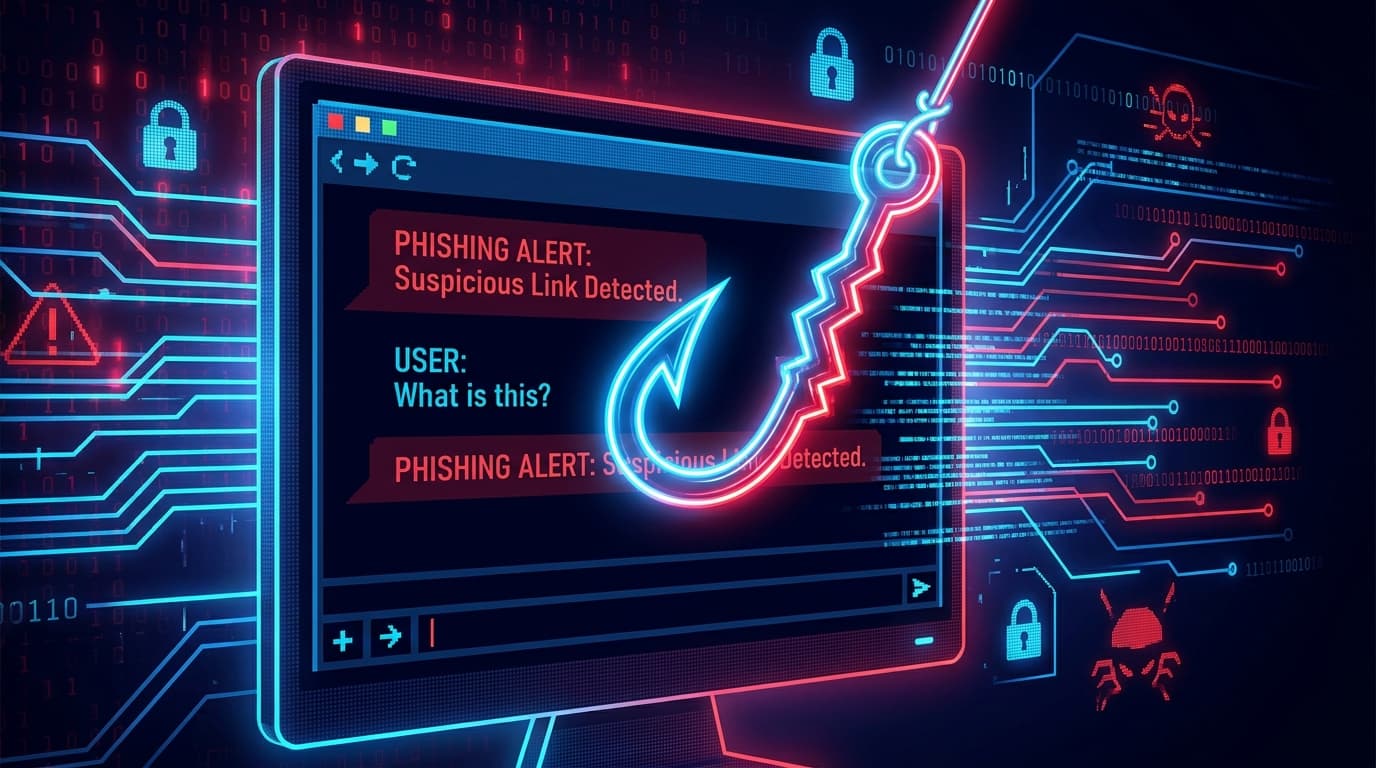
Researchers have discovered a vulnerability in ChatGPT, dubbed ChatGPhish. The flaw exploits how the AI assistant processes Markdown links and images, allowing attackers to create convincing phishing attacks. This technique abuses the platform's implicit trust to trick users into clicking malicious links disguised within AI-generated responses.
OpenAI is rolling out a new Lockdown Mode for ChatGPT to prevent data theft. The feature limits certain tools to protect sensitive information from prompt injection attacks, making it safer for professional use.
A developer of the open-source Java testing library `jqwik` intentionally added hidden instructions to sabotage projects built by AI coding agents. This real-world prompt injection attack highlights a new vulnerability in the software supply chain, affecting developers who rely on AI for coding assistance.
Researchers have developed a new attack called CrossMPI that targets multimodal AI models. It uses nearly invisible changes in images to manipulate how the AI interprets both visual and text inputs. This technique bypasses safety measures without altering the original text prompt, creating new security risks.