Amazon's Bee unit has launched two personal AI devices starting at $75. The new wearable and recorder summarize conversations and connect to Alexa, aiming to make AI a low-cost, everyday utility for a mass audience.
Over 70 people are suing Meta, claiming its smart glasses recorded sensitive images without their knowledge. The lawsuit alleges this data was exposed, raising significant privacy concerns for wearable tech and its use in AI development.
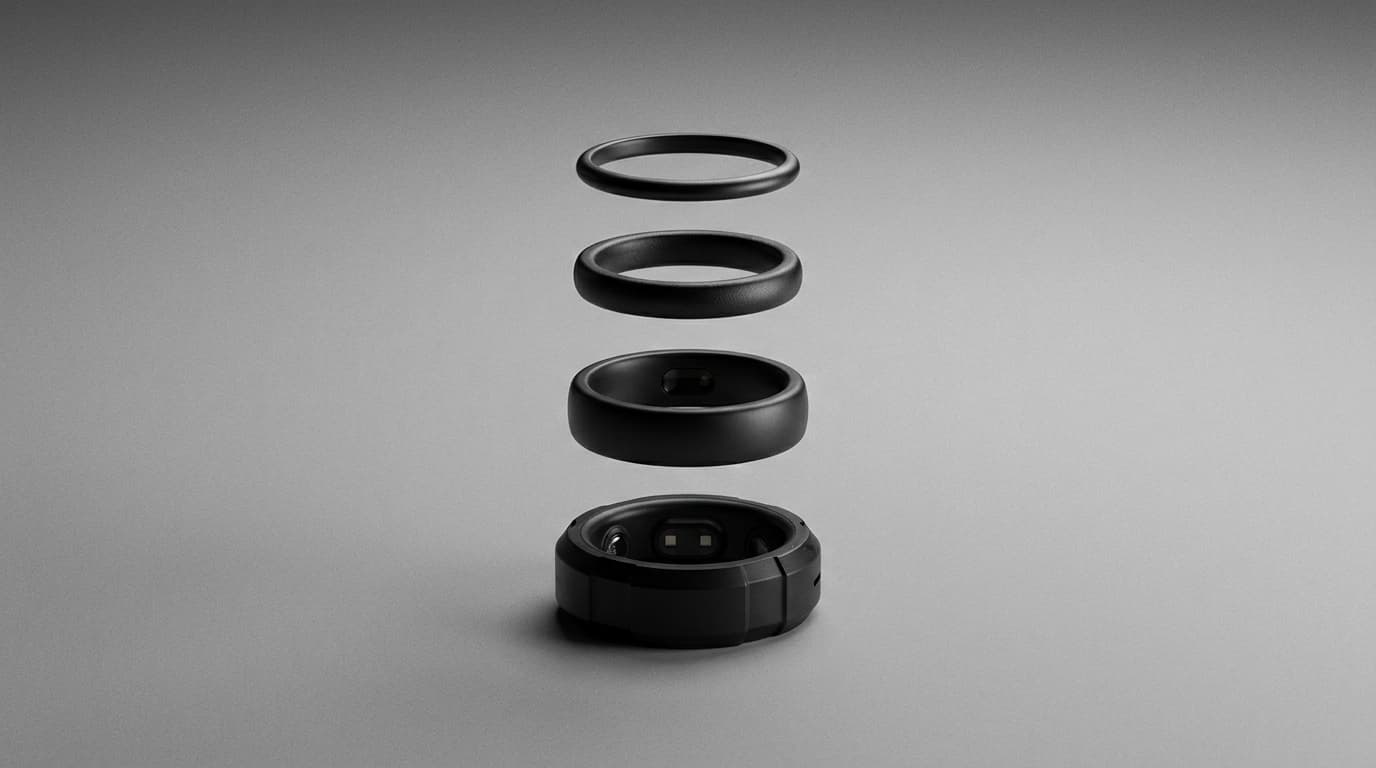
Oura's new Ring 5 is confirmed to be smaller than its predecessors, including the Gen 3 and Ring 4 models. While a full review is still forthcoming to test durability, battery life, and new software features, this initial observation answers a key question about the device's updated physical design.
The European Union is exploring new regulations for smart glasses, citing major privacy concerns. This move could force tech companies to redesign products and rethink data handling, echoing the global impact of GDPR on the industry.
Xreal is launching a new sub-brand, X By Xreal, with its first product being the a01 AR glasses. Priced at $299 and launching in the US in July, the glasses feature an anti-shake mode and customizable frames that can even be 3D printed by users.
South Korean startup LetinAR is developing miniature optical lenses, roughly the size of a thumbnail. This technology is positioned to become a fundamental component for the emerging market of AI-powered smart glasses, providing the essential visual interface for a new wave of wearable artificial intelligence devices.