Tahawwur Rana extradition has officially taken place, marking a significant milestone in India’s long-standing pursuit of justice for the victims of the 2008 Mumbai terror attacks. After years of legal proceedings, diplomatic pressure, and coordination with U.S. authorities, the accused has finally been brought back to Indian soil to face trial. The move represents a major breakthrough for Indian intelligence and judicial systems.
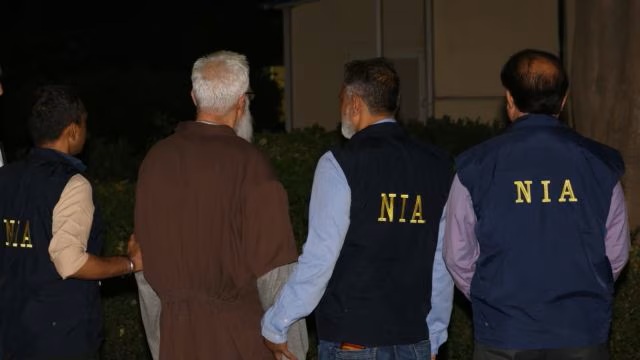
According to reports by The Indian Express and NDTV, Tahawwur Rana landed at Delhi’s IGI Airport under tight security. He was immediately taken into custody by the National Investigation Agency (NIA) for further interrogation and legal proceedings. The extradition is seen as a historic win in India’s global fight against terrorism.
Who is Tahawwur Rana?
Tahawwur Rana is a Pakistani-origin Canadian national and former military doctor who moved to the United States. He was arrested in the U.S. on terrorism-related charges and has long been suspected of being a key conspirator in the 26/11 Mumbai attacks, one of the deadliest terror strikes in Indian history, which claimed 166 lives and injured hundreds.
Rana was a close associate of David Coleman Headley, the Pakistani American who conducted reconnaissance for the attacks. Headley had testified that he had used Rana’s immigration business as a cover to plan logistics in Mumbai. Rana’s links to Lashkar-e-Taiba and other extremist groups have also been established in U.S. court proceedings.
How Did the Tahawwur Rana Extradition Happen?
The Tahawwur Rana extradition process was anything but swift. After his initial arrest in the United States in 2009, Rana served time in U.S. federal prison for his role in a terror plot against Denmark but was acquitted in the 26/11 case due to jurisdictional limitations. However, India filed a formal extradition request, backed with fresh evidence and diplomatic lobbying, seeking his trial in the Mumbai case.
A U.S. court finally approved the extradition in May 2023, but procedural delays kept him in U.S. custody until recently. The Indian government consistently followed up through diplomatic channels, reinforcing the importance of the case in counter-terrorism efforts.
As per NDTV’s latest update, Indian officials arrived in the U.S. last week to coordinate the final stages of the extradition, ensuring Rana’s secure transfer under international protocols.
NIA Takes Over Investigation
With the Tahawwur Rana extradition now complete, the NIA has officially taken custody of Rana for a detailed and high-priority investigation. The agency is expected to grill him about his involvement in the planning and execution of the 26/11 attacks, along with his links to LeT handlers in Pakistan.
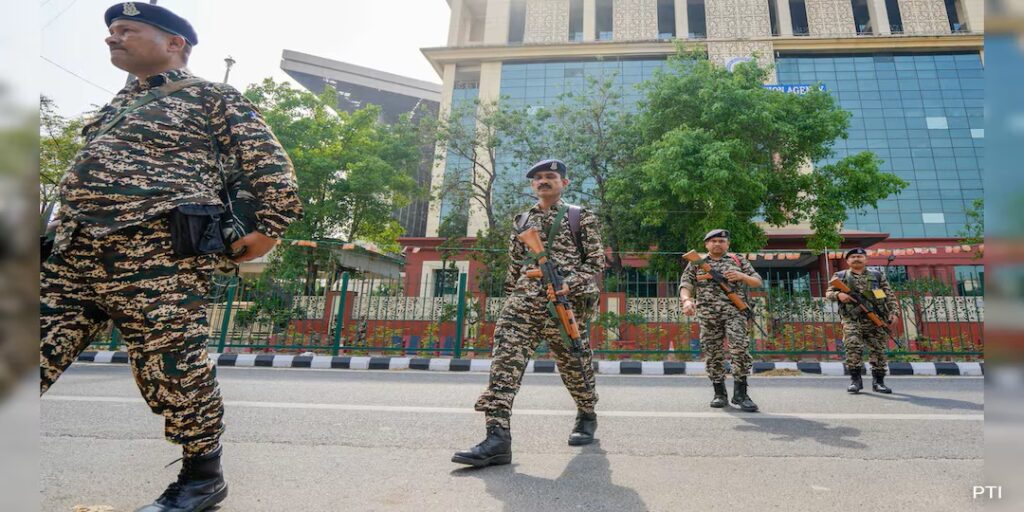
Sources in The Indian Express confirm that the NIA has compiled a comprehensive dossier and will use statements from Headley and other witnesses as part of the interrogation process. Rana’s extradition may also open the door to broader investigations into sleeper cells and international terror networks.
Officials believe that questioning Rana could help identify other unknown collaborators involved in the attacks, which could bolster India’s future legal action against global terror operatives.
A Diplomatic and Legal Win for India
The successful Tahawwur Rana extradition is being celebrated as a major diplomatic victory for India. For over 16 years, Indian agencies pursued legal channels relentlessly, often facing bureaucratic red tape and legal pushback in U.S. courts.
Indian authorities had to present detailed evidence, maintain consistency in their requests, and ensure that Rana’s legal rights were not violated under American law. The cooperation between both countries shows growing synergy in tackling international terrorism.
This moment also reaffirms India’s commitment to seeking justice for terror victims. “Justice delayed is not justice denied in this case,” said a senior NIA official. “It’s a win for the families of the 26/11 victims and for India’s global stand against terrorism.”
What Happens Next?
With the Tahawwur Rana extradition completed, Indian legal proceedings will now take their course. The NIA is expected to present Rana before a special court in Mumbai once initial questioning is completed in Delhi.
He will likely face charges under the Unlawful Activities (Prevention) Act (UAPA), the Indian Penal Code (IPC), and other relevant sections related to terrorism, conspiracy, and waging war against the nation. Legal experts predict a high-profile trial with international interest, given the diplomatic sensitivities and historical context.
Meanwhile, India is also expected to renew pressure on Pakistan for extraditing other masterminds of the 26/11 attacks who remain at large, such as Hafiz Saeed and Zakiur Rehman Lakhvi.
Final Thoughts
The Tahawwur Rana extradition stands as a symbol of India’s resilience in the face of one of its darkest tragedies. It has taken more than a decade of persistence, legal finesse, and diplomatic maneuvering to bring a prime accused back to face justice.
While the scars of the 26/11 attacks can never fully heal, moments like this remind the world that justice may be delayed but it is never forgotten. As the NIA prepares to uncover deeper truths and hold Rana accountable, the nation watches with hope that this will strengthen the fight against terrorism in every form.
Follow Notifire for the latest updates on terrorism trials, national security, and global movements.